Local authorities and communities, along with businesses and NGOs, have a huge role to play in challenging and changing the way we think about waste.
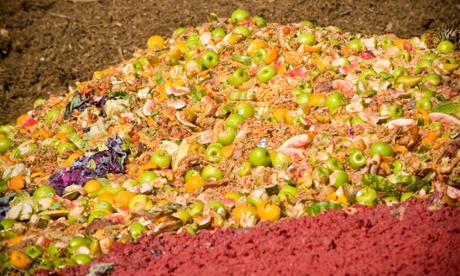
The Green Alliance estimates that there is £1.7bn worth of value to be captured through more joined up recycling. For example, in turning discarded products such as plastics and food waste into new plastic bottles and energy (through anaerobic digestion), and in repairing (rather than discarding) old electronics.
But moving from the traditional model of waste management, where waste is taken straight from houses to landfill, towards a new system of reuse and recycling is not easy.
Local authorities are fragmented in their approaches and there are few political incentives for them to work together, which makes recycling and reuse often too complex and piecemeal for people to want to engage with. People pay for waste through their taxes and yet they feel disenfranchised from (or simply disengaged with) the whole process.
There are practical solutions springing up and reasons to be positive. Local repair groups such as Restart are teaching people how to repair and reuse products, the popularity of Freecycle (the grassroots organisation that lists products people want to give away) is an example of a real desire to move away from disposal, and younger people, suffering from the brunt of the recession, seem to be more engaged with what they are throwing away.
But there’s a long way to go.
How can local systems be reorientated to work out what’s best for each product – whether it be refurbishment, local repair programmes, recycling or something else?
Join the experts for a live chat
Join us on Friday 21 November at 1.30pm GMT for a live chat with a panel of experts to discuss sustainable materials innovation.
Topics the panel will explore, among others, include:
- How can communities be engaged in the real story of waste, recycling and reuse?
- There are incentives in place for recycling but not many to reduce waste or reuse resources - how can this be changed?
- How can local authorities demystify the whole process of resources reuse and recycling?
- What is the role for open data and transparency from local authorities on their waste management?
- What kind of political incentives could encourage local authorities to work together?
- To change the resource management system we need better infrastructure in place - what might this look like and how can changes be communicated to local populations?
- What role do community groups have in accelerating the pace of circular economy thinking at a local level?
- How can local authorities leverage the expertise of business to push the circular economy agenda?
- Are young people helping to accelerate circular thinking in their communities?
Panel
Dustin Benton, head of resource stewardship at Green Alliance
Janet Gunter, is a founder of Restart which helps people to use their electronics longer, by sharing repair and maintenance skills
Estelle Brachlianoff, senior executive vice-president of Veolia UK and Ireland
Get involved
The live chat is completely text based and will take place on this page in the comments section below, kicking off on Friday 21 November 1:30pm BST. You can submit any questions in advance by tweeting them to @GuardianSustBiz using #askGSB or using the form below and we’ll put them to the panel on the day.
Read more like this:
- Five countries moving ahead of the pack on circular economy legislation
- Brought to you by Veolia: Circular economy in action: mining metals from street sweepings and making plastic from sewage
The rethinking resources series is funded by Veolia. All content is editorially independent except for pieces labelled advertisement feature. Find out more here.
Join the community of sustainability professionals and experts. Become a GSB member to get more stories like this direct to your inbox