
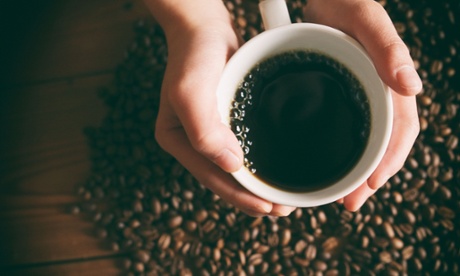
For true coffee connoisseurs, the best method for making the perfect cup of java is a matter of intense debate. But while consensus is impossible among coffee snobs – who suffer an embarrassment of riches when it comes to equipment options and methods – they do agree on a few things.
First of all, use high-quality coffee. Not only does shade-grown coffee
conserve ecosystems, it usually provides superior taste.
Buy only a five-to-seven day supply of beans at a time, and store them in a glass or ceramic container with a rubber gasket; keep at room temperature (not in the fridge). It should go without saying that you must grind your own beans each morning – experts say that you have about 5 minutes after grinding before the coffee starts getting stale.
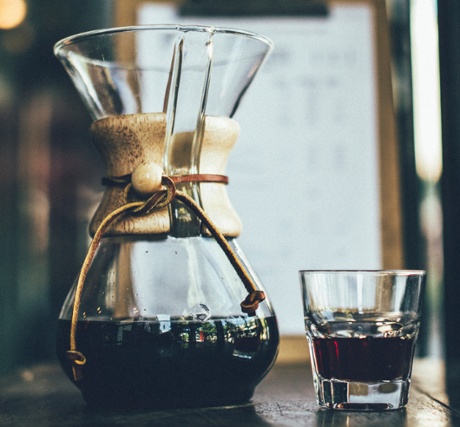
Pour-over
It sounds so simple, doesn’t it? Just pour some water over grounds in one of those beaker-like carafes? Not so fast. The Oakland, California-based coffee roaster Blue Bottle recommends first wetting the paper filter completely with just-boiled water. Next, you place the grounds in the filter and use a light, consistent pour to moisten the grounds – then stop. Wait 30 seconds to allow the coffee to “bloom”. Pour the remaining hot water over the grounds slowly. Like, really slowly. You should be pouring so slowly that it takes a full four minutes for the water to drip down into the base of the flask.
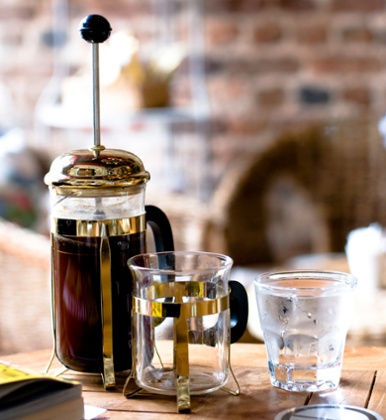
French press
For the French press, Serious Eats recommends the coarsest grounds possible. Scoop them into the carafe and add just-boiled water, giving a gentle but thorough stir. Wait 30-45 seconds – again, to allow the coffee to “bloom”. You’ll know it’s time to place the lid on when most of the coffee has sunk to the bottom. Wait 6-8 minutes, then plunge gently, pour and drink up!
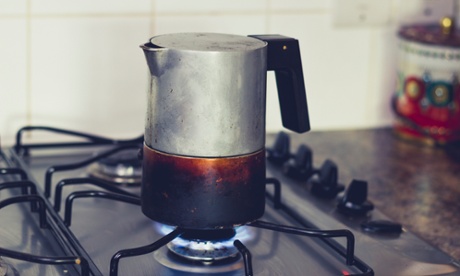
Stove-top espresso maker (moka pot)
Yes, even this traditional Mediterranean device has given rise to a set of specialized instructions. Stumptown, the famed Portland coffee purveyor, recommends that you first boil water in a kettle, as you don’t want the moka pot to get too hot and impart metallic flavors; you then pour the hot water into the bottom half of the espresso maker. Insert the basket and fill it with fine grounds, then screw the two parts together (you must somehow remember to use an oven mitt before having caffeinated yourself, to prevent burning yourself on the base that you’ve just filled with boiling water). Brew on moderate heat with the lid open. Once the stream of liquid bubbling forth is the color of yellow honey, remove from heat and close lid. Wrap the bottom in a chilled bar towel or run it under water to stop the extraction. Pour immediately.

Cold-brew
For many, iced coffee is a cherished summertime pick-me-up, but if you want to do it right, you’ll need 12-24 hours (and you thought the pour-over method was slow). Stir coffee grounds and water in a pitcher, cover and let steep a minimum of 12 hours; when the brew is ready, strain it, and store in the refrigerator for another two hours.

Turkish
Like other methods, brewing Turkish coffee calls for its own set of tools, including a lovely little cup called a fincan and a small brass pot known as a cezve. Boiling the grounds – which should be finer even than those for espresso – together with water makes this thick brew. Traditionally, a cup of water is served with Turkish coffee to clear the palate before partaking in the delicious dark concoction (hipster coffee snobs have nothing on the Ottomans). Be sure not to drink the grounds at the bottom of the cup – you’ll need them to tell your fortune.
Whatever method you favor, be sure you choose coffee that’s made in ways that protect biodiversity and improve livelihoods.
Once you’ve got your fresh grounds ready, here are some of the most popular persnickety – er, gourmet – methods. Try them and get back to us, or share your favorite tricks and methods, using the hashtags #FollowTheFrog and #PerfectCuppaJoe.
Learn more about the Rainforest Alliance’s work to protect lives, lands and livelihoods around the world.
Content on this page is provided by the Rainforest Alliance, supporter of the Vital Signs platform.













