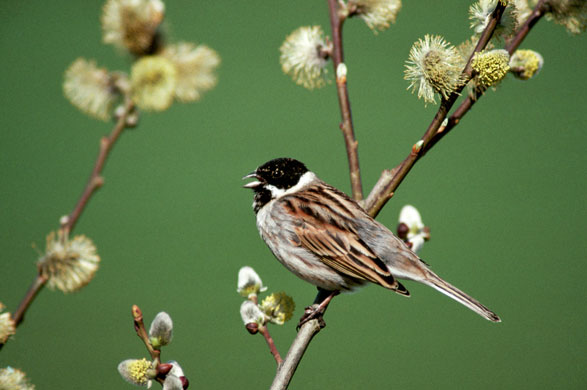
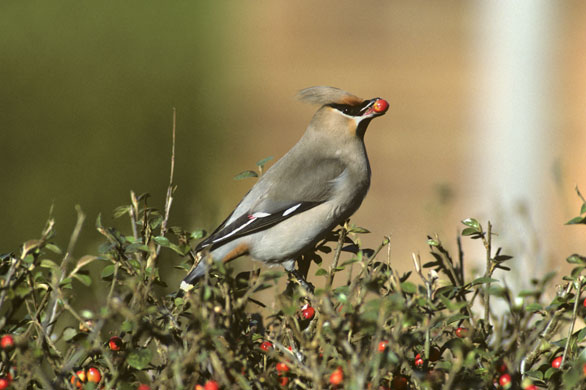
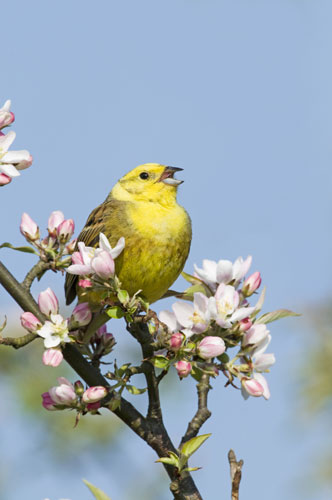
The cold weather is bringing all sorts of unusual birds like this reed bunting into UK gardens, according to the RSPBPhotograph: Roger Wilmshurst/Frank Lane Picture Agency/CorbisThe charity says it has been receiving a high volume of calls this month reporting sightings of species - like this waxwing - that are not usually seen in gardensPhotograph: Travel Ink/Gallo/Getty ImagesMany of the species, like this yellowhammer, are normally seen foraging for food in the countrysidePhotograph: David Tipling/Getty Images
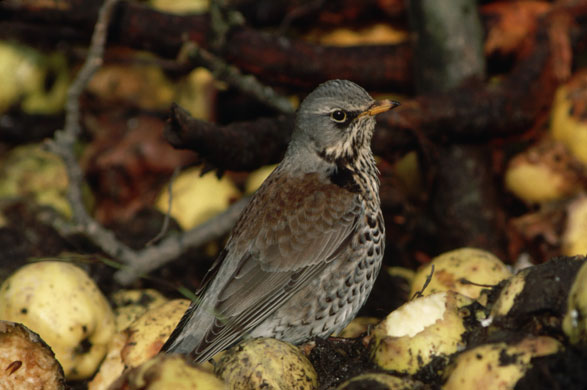
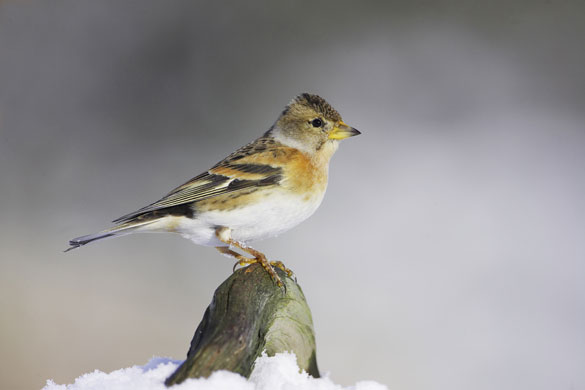
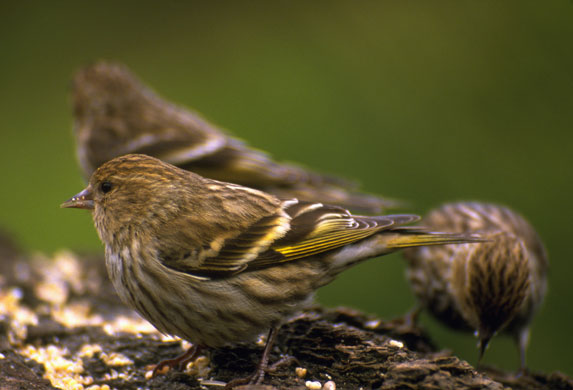
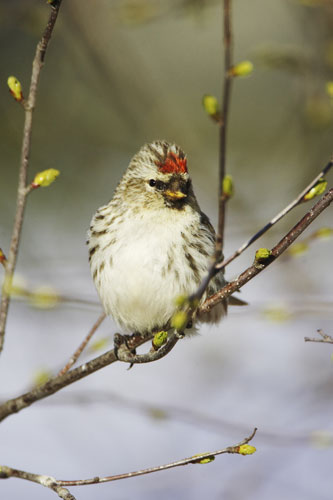
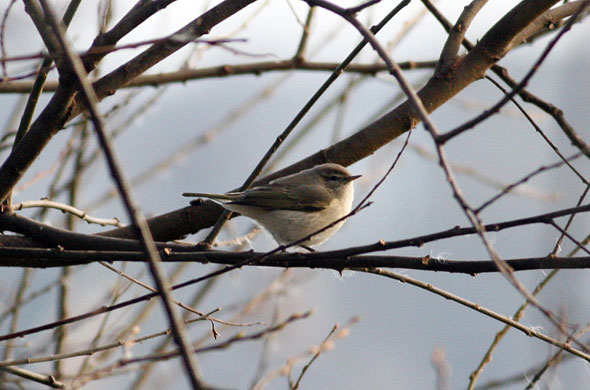
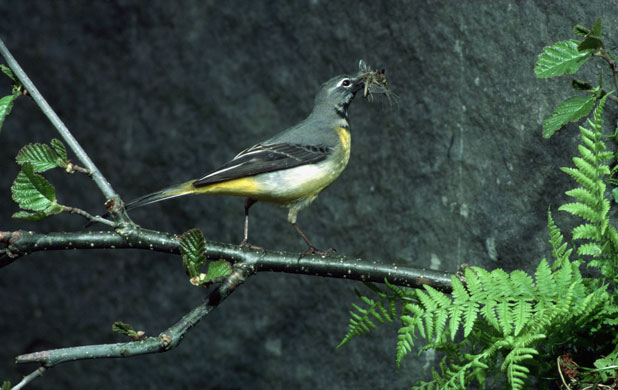
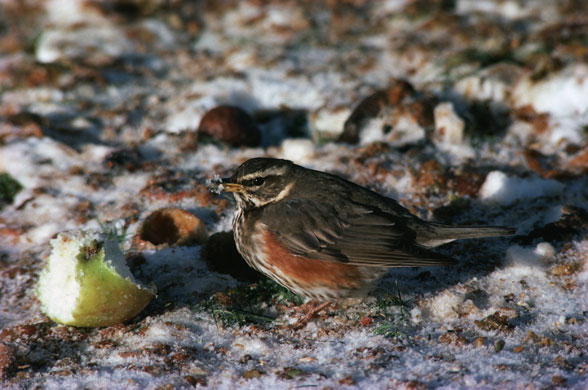
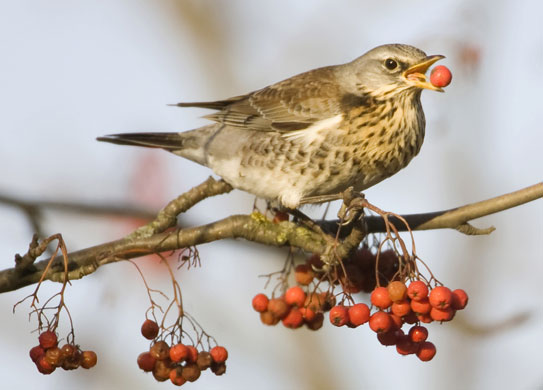
But with the frozen conditions making it almost impossible to find natural food sources rurally, birds like this fieldfare are being increasingly seen in domestic gardensPhotograph: Roger Wilmshurst/Frank Lane Picture Agency/CorbisFinches - like this brambling - are also being seen earlier than normal. The RSPB says they usually appear in gardens closer to MarchPhotograph: Mark Hamblin/Getty ImagesSiskins are also being seen earlier than normal. Like bramblings, they are not usually seen in gardens until MarchPhotograph: Tim Zurowski/CorbisThe redpoll is a species of finch normally found in UK woodland. But the cold weather has forced many species to look for berries and seeds in urban gardens Photograph: Mark Hamblin/Getty ImagesThis rare Siberian chiffchaff was spotted at a London Wildlife Trust community garden in Hackney, London. The bird, usually found in eastern Russia and Siberia is over 3,000 miles off coursePhotograph: Mark Pearson /wildlondon.orgA grey wagtail. The RSPB says the increased popularity of bird feeding has also had a huge impact on the number of birds seen in gardens with more species relying on supplementary food at this time of yearPhotograph: Tony Hamblin/Getty ImagesA redwing, normally found foraging for food in fields and parks but now being seen in gardens. January is a harsh month for wildlife and birds face a constant battle to find foodPhotograph: Roger Tidman/CorbisA fieldfare. The RSPB is holding its annual survey of garden birds, the Big Garden Birdwatch, on 24-25 January, and the charity says the range of species being seen in gardens bodes well for the eventPhotograph: Vasily Fedosenko/Reuters
Sign up to read this article
Read news from 100’s of titles, curated specifically for you.