
“Parks and Recreation’s Leslie Knope has a lot to answer for”
Ross Jeffrey, 29
National graduate management trainee
Mole Valley district council and Reigate & Banstead borough council
(Joined NGDP in 2013)

My mum worked in the NHS for near on 30 years, so there was a set of values instilled in me that fit into working in the public sector. Leslie Knope from Parks and Recreation has a lot to answer for: there’s a lot of that bright-eyed enthusiasm in me, wanting to make positive differences to people’s lives.
Not everyone’s experience of NGDP will be the same. You do four placements and they’ve got to cover a support, frontline and strategic function. My councils have been really keen to let me follow my own interests while staying within those broad parameters. One of the biggest challenges I’ve found is that although your placements are supposed to be for six months, real projects don’t operate in six month time frames. It’s a cliche but you’ve got to look at it as a journey: not just the end goal but how you got there as well.
It’s no secret that the financial situation is forcing councils to really think creatively and commercially. Getting an insight into that world was really interesting, especially for me coming from this very fluffy Leslie Knope-type place. It really grounded me. Councils are looking for fresh blood, a new perspective on things and it’s rewarding how much they value a newbie’s opinion.
My tips for new applicants:
Try to enjoy the assessment centre. Don’t try to second guess what the assessors are looking for or you will just convey self doubt. Look at the attributes they want on the LGA website.
Also, research your councils, and know the different structures in local government. It can be a minefield for those in local government never mind those on the outside trying to get in. There’s no point having an interview with a lower tier district or borough if you’re wanting to get into education or public health. It’s really important that potential applicants know what different services different types of councils offer.
“Councils get a lot of stick but people still put faith in them”
Wajeeha Aslam, 25
Community safety partnership officer
Royal borough of Kensington & Chelsea
(Joined NGDP in 2012)

I knew I wanted to work in the public sector but I stumbled upon local government. I preferred it to the civil service fast stream because you’re so much closer to actually seeing the difference you make. The stereotypical view that people have of councils is that not much goes on there, or they’re just making things worse. But it’s been nothing like that at all.
If you haven’t got kids and or an elderly or dependent person in the house, you don’t really interact with many council services so you’ve got limited understanding of what they do. When I came in was really surprised at the amount of things one local authority is responsible for. With all the cuts it’s even more interesting; they’ve made a lot of the easy savings now – sharing services, improving technologies - so now it’s coming to the more difficult decisions. Although councils do get a lot of stick, people still put a lot of faith in them. We’re in a position to be able to talk to people about what they really want and need.
Sometimes colleagues misunderstand the graduate tag: for some people they think it means you’ve come with a lack of experience and knowledge, but for others it means you can do lots and you’re full of ideas. It’s about managing those expectations and working out how to market yourself.
My tips for new applicants:
Go to information days or careers fairs and ask as many questions as possible. Really try to understand the process. There aren’t any psychometric tests for the NGDP - it’s an application form, a visit to the assessment centre and then an interview - so right from the word go you’ve got to be really self aware. In terms of what they’re looking for it’s not as simple or aligned as the fast stream, but I think they need people with lots of new ideas who are willing to see them through, people with an enthusiasm for being in the public sector.
“Nobody’s job is safe, but it’s a more exciting place to work”
James Henderson, 31
Director of policy, performance and communications
Sheffield city council
(Joined NGDP in 2004)
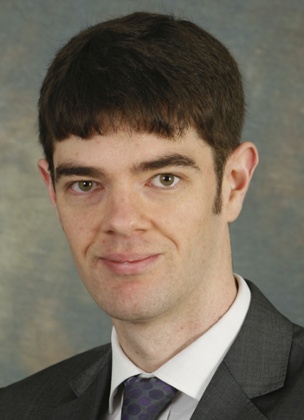
The NGDP allows you to try out a range of placements and I think that’s particularly important given the breadth of local government. You can try anything from social care to city centre development. Getting your head around it can be a challenge; you are effectively having to start a new job every six months, and there’s an academic qualification bolted on as well. You need to be flexible, and willing to turn your hand to anything. It’s also about being able to relate to different sorts of people at all levels. I spent one of my placements working directly with the chief exec and leader of the council, and in the next I was organising the clean-up of the local park, working with prisoners who were on probation.
I don’t think anybody’s job is safe at the moment. The local government sector is under huge strain but in some ways that makes it a more exciting place to work. We’re going to move from a sector focused on delivery of services to one that is much more about influencing the development of places and being responsible for the way in which public services work together. That’s going to call for an entirely different set of skills and attributes: people who are comfortable in a partnership environment, and able to spot issues and work out innovative ways of fixing them, willing to take risks. These are all things the NGDP helps instil in you.
My tips for new applicants:
Be really clear about why you want to work for local government. Like a lot of students I had very little contact with the local government sector. It’s not a sector people tend to give a lot of thought to, particularly when leaving university. Make sure you understand the current context of local government, which is of course pretty challenging. It’s also about local knowledge: understanding the particular aspects of the authority you’re applying to.
• This article is part of our series on joining the public sector. Contact public.leaders@theguardian.com with your suggestions for the series