I don’t know who’s more scared: me or my student son. He’s about to embark on a three year voyage into the semi-unknown, otherwise called university.
While it’s not quite a Bear Grylls survival special, this rite of passage is full of peaks and troughs. He’ll be joining around half a million new students flooding into halls of residence, some armed with little more than a toothbrush and a belly full of chutzpah.
One parent admitted that, despite her best efforts, her son was ashen-faced the day she dropped him off at King’s College London. “My advice was going in one ear and out the other. In hindsight I should have said something earlier.”
Experts reckon students can adapt much better if they have a few practical life skills in their armoury, which involves a little forward planning.
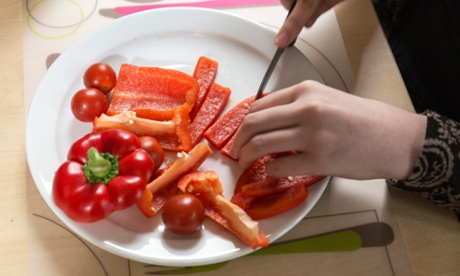
Top of the list comes cookery skills, so I was pleasantly surprised when my son announced he and four mates had challenged each other to culinary battle in the style of Come Dine With Me. His mates produced a series of flans and baked potatoes, so when it came to his turn he pushed the boat out and threw together a very respectable spaghetti bolognaise, along with a crunchy pudding.
“Easy,” he said, pushing his quiff back into place – although he admitted later the spaghetti had congealed into a solid lump. It must have tasted fine, though, as he came away with equal-first place.
Sophie Nicholson, who has just completed her first year at the University of York, says she rarely made use of the kitchen before leaving home, as her mum is a brilliant cook. Fortunately her mum also had the foresight to write down simplified versions of favourite meals into a small recipe book. After the first few weeks, Sophie found she was coping fine on her own and didn’t need to phone for advice as much. She admits that there were are obstacles to overcome, however.
“When I first got here I had a complete freak-out, as I’d used a dishwasher my entire life and realised I wasn’t going to have one. But that was easy to pick up. The other major worry was how to budget,” she says. “I know it sounds weird but I was surprised at how quickly food went out of date. It’s important to get perspective on how much you need to buy for a weekly shop, while being clear you can treat yourself now and again.”
Her advice? “Plan properly and don’t spend ridiculous amounts of money. You need enough get by, but not so much that you’re throwing it away.”
Another high priority is planning what to take, and what you can do without, according to Bristol student Florence Barrett, who says making a list made her feel secure. She homed it down to the essentials, but still found she found most of her clothes remained untouched. “At the end of term I had to lug them all home again.” She says she was glad she had a decent, reliable computer and a bottle of branded gin. “Own brand stuff is lethal, but because you’ve got so little money, you end up buying it.”
Five tips from Anthony Payne, head of student services at Bath University:
- Stay healthy. Get your meningitis C vaccination before you come. Eat and drink sensibly, practice safe sex, and remember your personal hygiene.
- Don’t worry about making mistakes. They are often how we learn the most important lessons in life.
- Seek help. One in five students experience mental health issues, but seeking help early is the key to fast recovery. Don’t keep your worries to yourself.
- Develop a work/life balance. All work and no play is not a good idea, but the inverse is also true. Part-time work is positively correlated with academic success and helps you to develop a range of transferrable employability and life skills.
- Just be yourself. Peer pressure is high and the most important skill is developing the confidence to say no, to stand up for what you believe to be right and to make your own road through life.
Read more
- How much does university really cost students – and their parents?
- A parent asks about... helping students with money
- Advice for parents: how to cope with students living at home
Keep up with the latest on Guardian Students: follow us on Twitter at @GdnStudents – and become a member to receive exclusive benefits and our weekly newsletter.