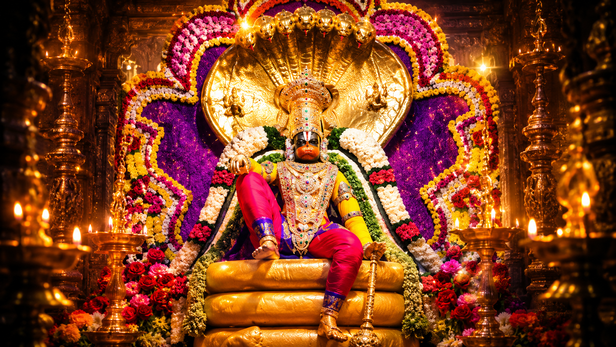
Across India, countless temples are dedicated to Lord Hanuman. Yet, there is one temple in Tamil Nadu that continues to amaze devotees with a tradition unlike any other. Imagine arriving at a temple on a Saturday and finding Hanuman Ji adorned in a completely different divine form than the week before. Add to that a sacred offering of 10,008 fruits and an atmosphere filled with devotion, music, and spiritual energy. This is the extraordinary story of the Ashtamsa Varada Anjaneyar Temple in Coimbatore a place where faith, tradition, and miracles come together in a truly unforgettable way.
A Temple Built on Faith, Not Age

The sacred temple in Coimbatore that attracts thousands of Hanuman devotees.
Many ancient temples draw visitors because of their long history. This temple is different. Established in 2004, the Ashtamsa Varada Anjaneyar Temple is relatively young, yet its spiritual reputation rivals centuries-old shrines. Devotees believe that sincere prayers offered here receive Hanuman Ji’s blessings in unique ways. Over the years, stories of fulfilled wishes and personal transformations have spread across South India. As a result, thousands of worshippers visit regularly, proving that faith is built not only by age but by the devotion and experiences of believers.
The Saturday Mystery That Draws Crowds
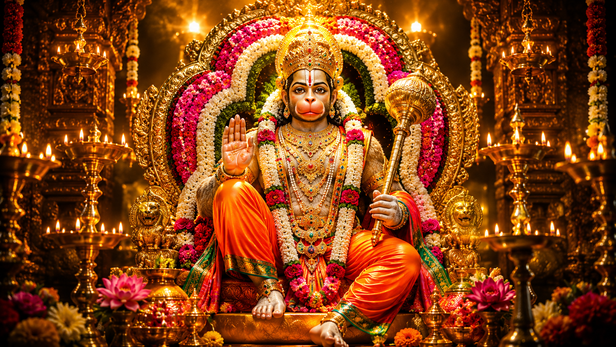
Devotees gather to witness the weekly divine transformation.
Every Saturday, something remarkable happens inside the temple. Lord Hanuman is decorated in a unique form that differs from previous weeks. Sometimes he appears as Raja Maruti, symbolizing divine authority and strength. On other occasions, he is adorned with garlands, jewels, or special sacred decorations. This tradition creates anticipation among devotees, who eagerly wait to see which form will appear next. For many visitors, these changing appearances represent Hanuman’s limitless divine qualities and serve as a reminder that God reaches devotees in countless ways.
The Incredible Offering of 10,008 Fruits
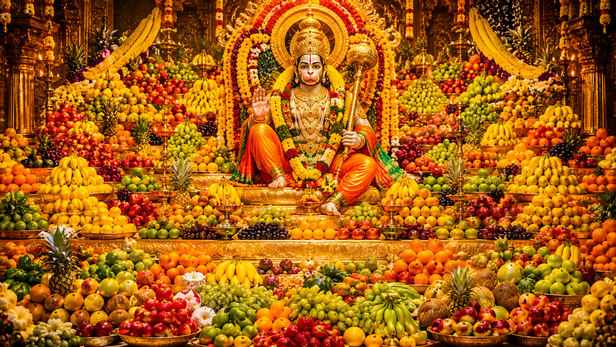
Devotees gather to witness the weekly divine transformation.
One of the temple’s most extraordinary rituals is the offering of 10,008 fruits to Lord Hanuman. This is not merely a display of abundance but a powerful act of devotion. The fruits symbolize gratitude, prosperity, and the surrender of worldly worries before the deity. During special occasions, devotees participate enthusiastically in this sacred offering, believing it strengthens their prayers. The sight of thousands of fruits arranged before Hanuman Ji creates an unforgettable spiritual atmosphere that leaves visitors amazed by the depth of faith on display.
When Devotion Fills the Air
During major observances, especially in the Purattasi season, the temple transforms into a vibrant center of devotion. Traditional instruments, devotional chants, and sacred rituals fill the air with spiritual energy. As worshippers gather together, many describe feeling a deep sense of peace and connection. The collective faith of thousands creates an atmosphere that is difficult to explain but impossible to ignore. For devotees, these celebrations are not merely religious events they are moments when the divine feels incredibly close and personal.
Architecture That Reflects Tradition
Spread across two acres, the temple beautifully showcases traditional South Indian architecture. Its towering gopurams, decorative domes, and carefully designed structures create an atmosphere of grandeur and reverence. Every detail reflects centuries-old temple traditions while preserving a welcoming environment for modern devotees. Visitors often spend time admiring the architecture before entering for worship. The temple’s design enhances the spiritual experience, making each visit feel like a journey into a sacred space where devotion and tradition blend seamlessly.
The Eight Blessings of Varada Anjaneyar
The name "Ashtamsa Varada" is deeply meaningful. Devotees believe Hanuman Ji bestows eight forms of divine blessings upon sincere worshippers. These blessings are often associated with courage, health, wisdom, prosperity, devotion, protection, success, and inner peace. People from different walks of life visit the temple carrying their hopes and challenges. Whether seeking guidance during difficult times or expressing gratitude for answered prayers, devotees believe Hanuman’s grace helps them overcome obstacles and move forward with confidence.
Why This Temple Continues to Inspire Thousands
What makes this temple truly special is not only its rituals or architecture but the faith it inspires. Every week, devotees arrive with prayers in their hearts and leave with renewed hope. The changing forms of Hanuman Ji, the sacred offerings, and the powerful atmosphere remind people that devotion remains a source of strength in uncertain times. For many, this temple is more than a place of worship it is a living symbol of faith, resilience, and divine connection.
Unlock insightful tips and inspiration on personal growth, productivity, and well-being. Stay motivated and updated with the latest at My Life XP.
Frequently Asked Questions (FAQs)
1. Where is the Ashtamsa Varada Anjaneyar Temple located?The Ashtamsa Varada Anjaneyar Temple is located in Coimbatore, Tamil Nadu. It is one of the most well-known Hanuman temples in South India and attracts devotees from across the country.
2. Why is this Hanuman temple famous?
The temple is famous for its unique tradition of adorning Lord Hanuman in different divine forms and decorations. It is also known for the special offering of 10,008 fruits and its vibrant spiritual atmosphere during festivals and Saturdays.
3. Does Lord Hanuman really appear in a different form every Saturday?
The temple decorates and adorns the deity with a different alankaram (sacred decoration) on special occasions and Saturdays. Devotees believe these changing appearances reflect the many divine qualities and forms of Lord Hanuman.
4. What is the significance of the 10,008 fruit offering?
The offering of 10,008 fruits symbolizes devotion, gratitude, prosperity, and surrender to God. Devotees believe that participating in this ritual brings blessings and fulfills sincere prayers.
5. When was the temple established?
Although it is often compared to ancient pilgrimage sites because of its popularity and spiritual significance, the Ashtamsa Varada Anjaneyar Temple was established in 2004.