Trust has become one of the most valuable currencies in the digital economy. Whether consumers are shopping online, managing their finances, streaming content, or using entertainment platforms, they increasingly expect services to be secure, transparent, and reliable. In 2026, a trustworthy digital platform is no longer defined solely by its products or services. Instead, users evaluate platforms based on how they handle personal data, payments, customer support, and overall user experience.
As cyber threats evolve and consumer expectations rise, organizations must work harder than ever to earn and maintain user confidence.
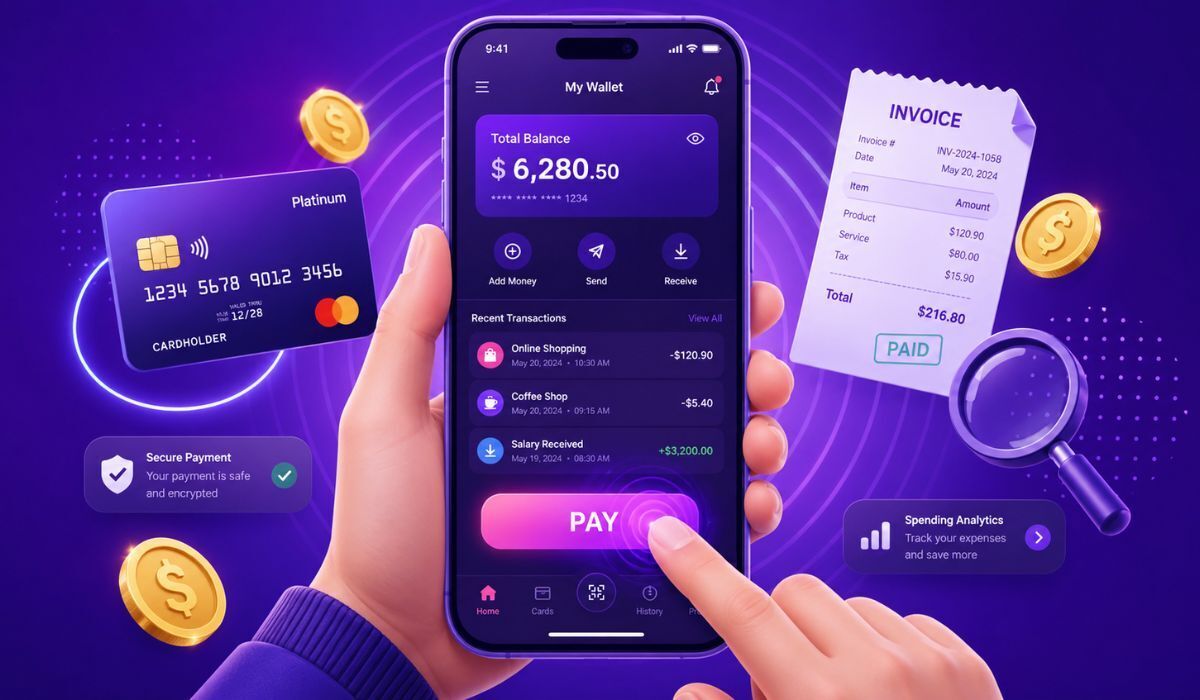
Security Remains the Foundation
The first characteristic of a trustworthy platform is robust security. Consumers want assurance that their personal and financial information is protected from unauthorized access.
Modern platforms invest heavily in encryption technologies, multi-factor authentication, fraud detection systems, and secure cloud infrastructure. These protections help reduce the risk of data breaches while providing users with greater peace of mind.
However, security is not simply about technology. Transparent communication about how information is stored, processed, and protected also plays a critical role in building trust.
Transparency Builds Confidence
Users increasingly expect businesses to be upfront about their policies, fees, and procedures. Hidden charges, confusing terms and conditions, or unclear refund policies can quickly damage a company's reputation.
Trustworthy platforms make information easy to find and understand. They clearly explain how transactions work, what users can expect, and how disputes are handled.
This transparency extends to privacy practices as well. Consumers want to know what data is collected, why it is collected, and whether it is shared with third parties. Organizations that prioritize openness often gain a significant competitive advantage.
Fast and Reliable Payments Matter
The rise of real-time banking has transformed user expectations. Waiting several days for payments, refunds, or withdrawals is increasingly viewed as outdated.
Consumers now favor platforms that support fast and secure payment methods. In Australia, systems such as PayID have become popular because they allow users to transfer funds quickly without sharing traditional bank account details.
As a result, many industries have embraced instant payment technologies. Sectors ranging from e-commerce and digital marketplaces to online entertainment increasingly rely on these systems to improve customer satisfaction. Users researching platforms that support rapid banking solutions often compare services such as PayID casinos in Australia alongside other businesses that prioritize fast transactions.
The ability to process payments efficiently has become a major indicator of trustworthiness.
Strong Customer Support Creates Loyalty
Even the most secure platform will occasionally encounter issues. When problems arise, users want access to responsive and knowledgeable support teams.
Trustworthy companies invest in multiple support channels, including live chat, email, help centers, and social media assistance. More importantly, they focus on resolving issues quickly rather than forcing customers through lengthy and frustrating processes.
Fast response times and effective problem-solving demonstrate that a company values its users beyond the initial transaction.
Consistency Is More Important Than Promises
Many platforms advertise exceptional service, but users ultimately judge them based on real-world performance.
Consistent uptime, reliable transactions, accurate information, and dependable service delivery all contribute to long-term credibility. Customers remember when a platform repeatedly delivers positive experiences, and they are equally likely to remember repeated failures.
In 2026, online reviews, social proof, and user-generated content continue to influence purchasing decisions. Businesses that consistently meet expectations benefit from stronger reputations and greater customer retention.
Ethical Use of Technology
Artificial intelligence has become deeply integrated into digital services. From recommendation engines to customer support tools, AI is shaping how users interact with platforms.
Trustworthy organizations recognize that technological innovation must be balanced with ethical responsibility. Users expect AI systems to be fair, transparent, and accountable.
Companies that disclose how automated systems influence decisions are more likely to earn public confidence than those operating behind opaque algorithms.
User Experience Reflects Credibility
A poorly designed platform can undermine trust regardless of its security credentials. Slow loading times, broken links, confusing navigation, and outdated interfaces often create the impression that a service is unreliable.
Modern consumers expect seamless experiences across desktop and mobile devices. Platforms that invest in intuitive design, accessibility, and performance demonstrate professionalism and commitment to their users.
A positive user experience signals that a company pays attention to detail and prioritizes customer satisfaction.
The Future of Digital Trust
As digital services become increasingly integrated into everyday life, trust will remain a critical differentiator. Consumers have more choices than ever, making it easier to abandon platforms that fail to meet expectations.
The most trusted digital platforms in 2026 share several common characteristics: strong security practices, transparent operations, reliable payments, responsive customer support, ethical technology use, and consistently positive user experiences.
Ultimately, trust is not built through marketing claims alone. It is earned through every interaction, every transaction, and every commitment a platform makes to its users. Organizations that understand this principle will be best positioned to thrive in an increasingly competitive digital landscape.