As Pakistan lurches from one crisis to another, citizens are taking to the streets to protest a dual economic and political meltdown with little precedent in the nation’s post-independence history.
For months, the world’s fifth most populous country has edged closer to a debt default, echoing the cautionary tales of other developing economies, including Sri Lanka and Venezuela. Inflation is at a 48-year high. Foreign currency reserves cover less than a month of imports. The bill for billions in damage from last year’s devastating floods continues to sting, highlighting the financial consequences of a warming planet.
Talks for bailout money from the International Monetary Fund failed to yield a deal this week and will continue, providing no immediate reprieve. However, the amount on the table — part of a $6.5 billion loan program — is still far from enough to replenish Pakistan’s depleted coffers.
Fighting between Prime Minister Shehbaz Sharif’s government and Imran Khan, the ousted former leader, has cleaved the country. National elections expected in the second half of 2023 could turn messy. And a recent suicide bombing in the city of Peshawar killed more than 100 people, illustrating the risks of Islamabad’s continued links to the Taliban, who’ve tightened their control in neighboring Afghanistan.
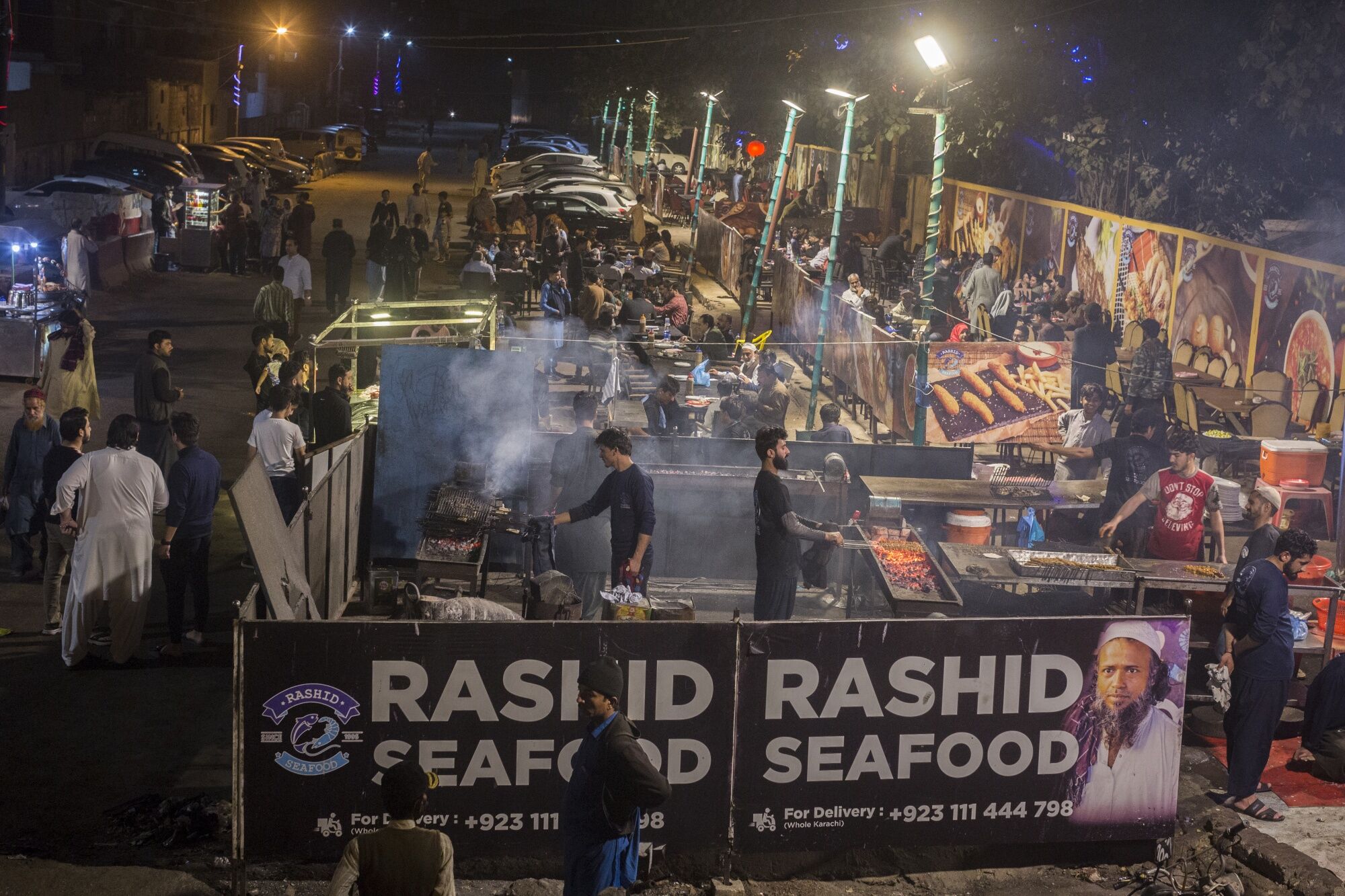
To understand the crisis, Bloomberg News spoke to Pakistanis across the country. Here are their stories:
Muhammad Rashid, restaurateur
In Karachi, a bustling port city, surging inflation has battered local businesses. Muhammad Rashid, the owner of Rashid Seafood, said sales at his restaurant are down 50% this winter.
Middle class customers, in particular, are staying away — bringing into focus sharpening inequality as the prices of staples such as bread and meat jump.
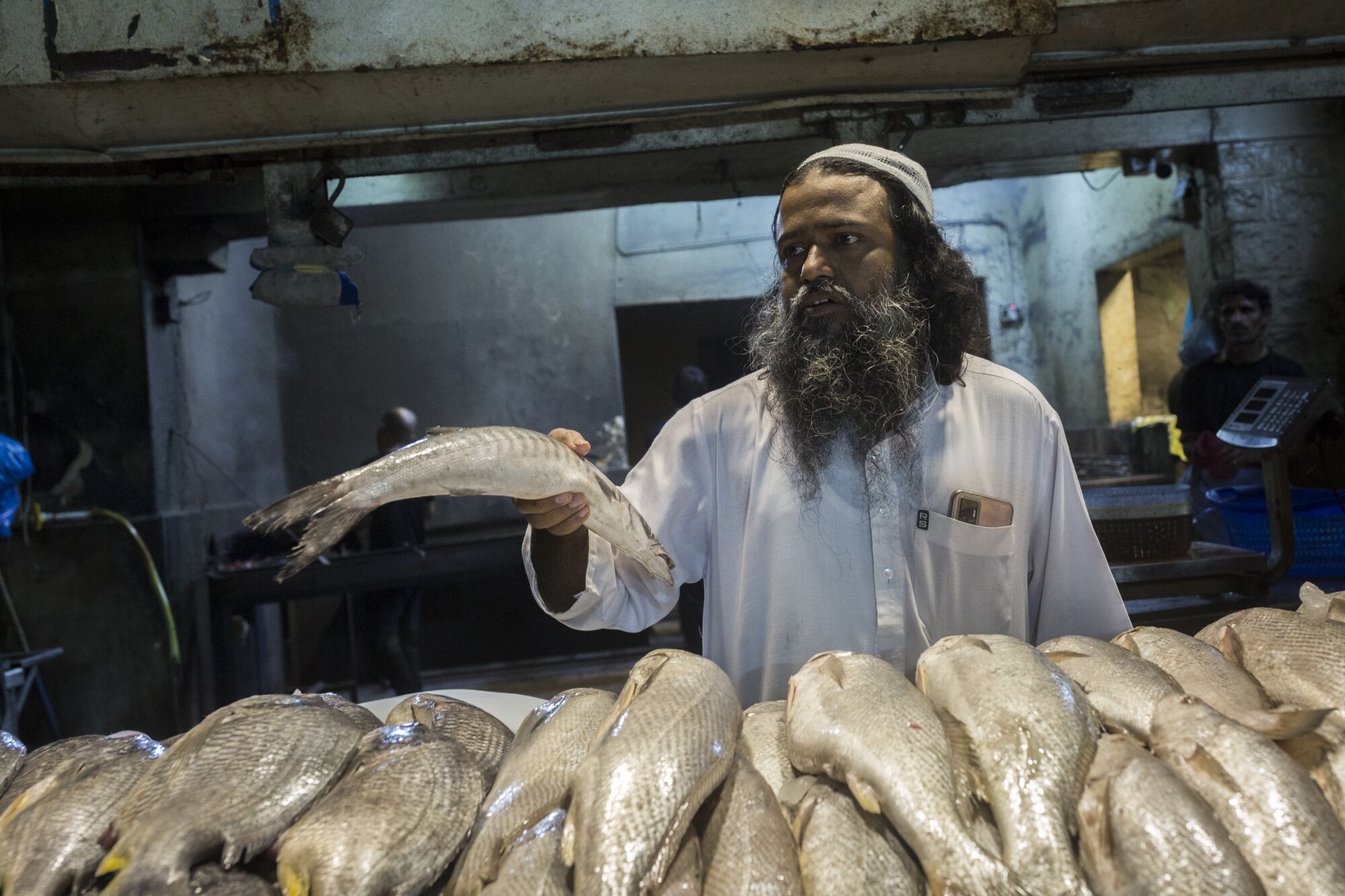
“Now, our customer base is mostly from the business class,” Rashid said. “The rich are having no problem and continue to come here and eat seafood.”
Irfan Ali, gas station manager
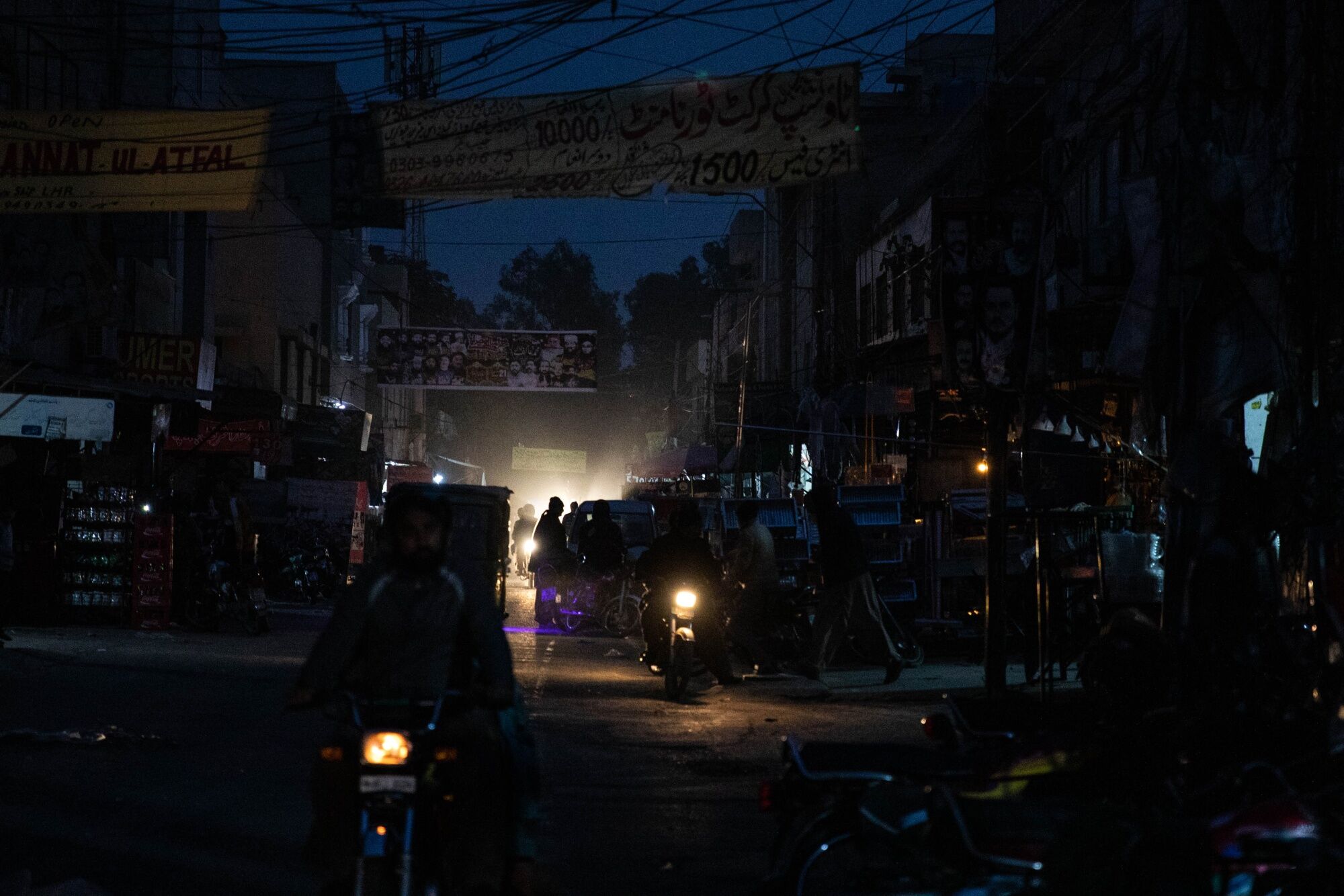
Diesel is another sore spot in Pakistan. The government raised prices last month to over 262 rupees per liter, leading many to cut back on commuting.
The lanes are emptier at Total Parco Pakistan Ltd., a gas station in a busy part of Karachi. Irfan Ali, the manager, said he used to sell 15,000 liters a day when petrol went for 200 rupees a liter. Now, with the fuel at almost 250 rupees a liter that number is down to 13,000. He said competition for business is fierce.
“We are managing from our margins, so we don’t lay off any of our staff,” Ali said. “Inflation will increase unemployment for sure.”
Farzana, housekeeper
Many ordinary Pakistanis are taking out loans to afford basic necessities.
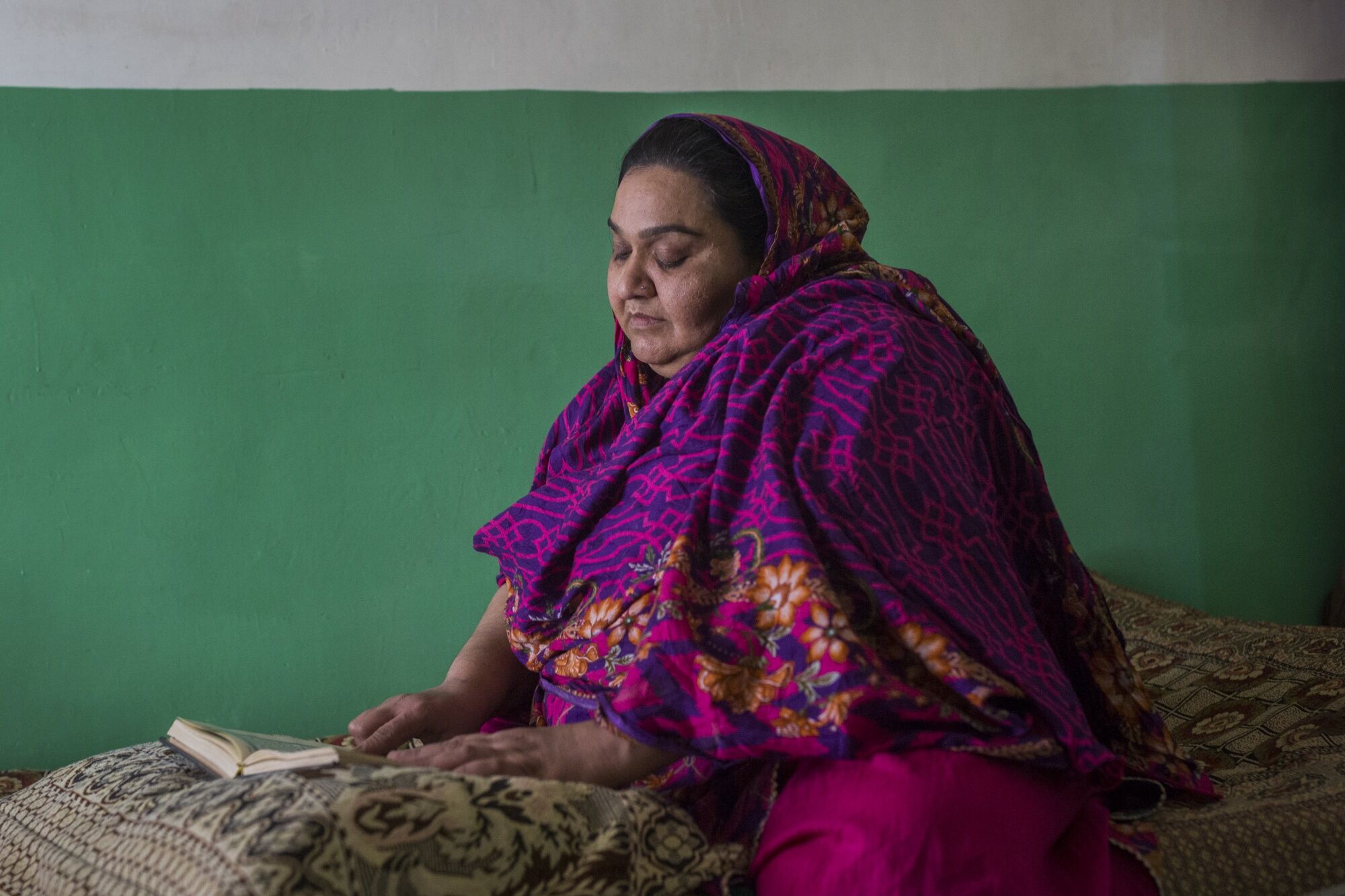
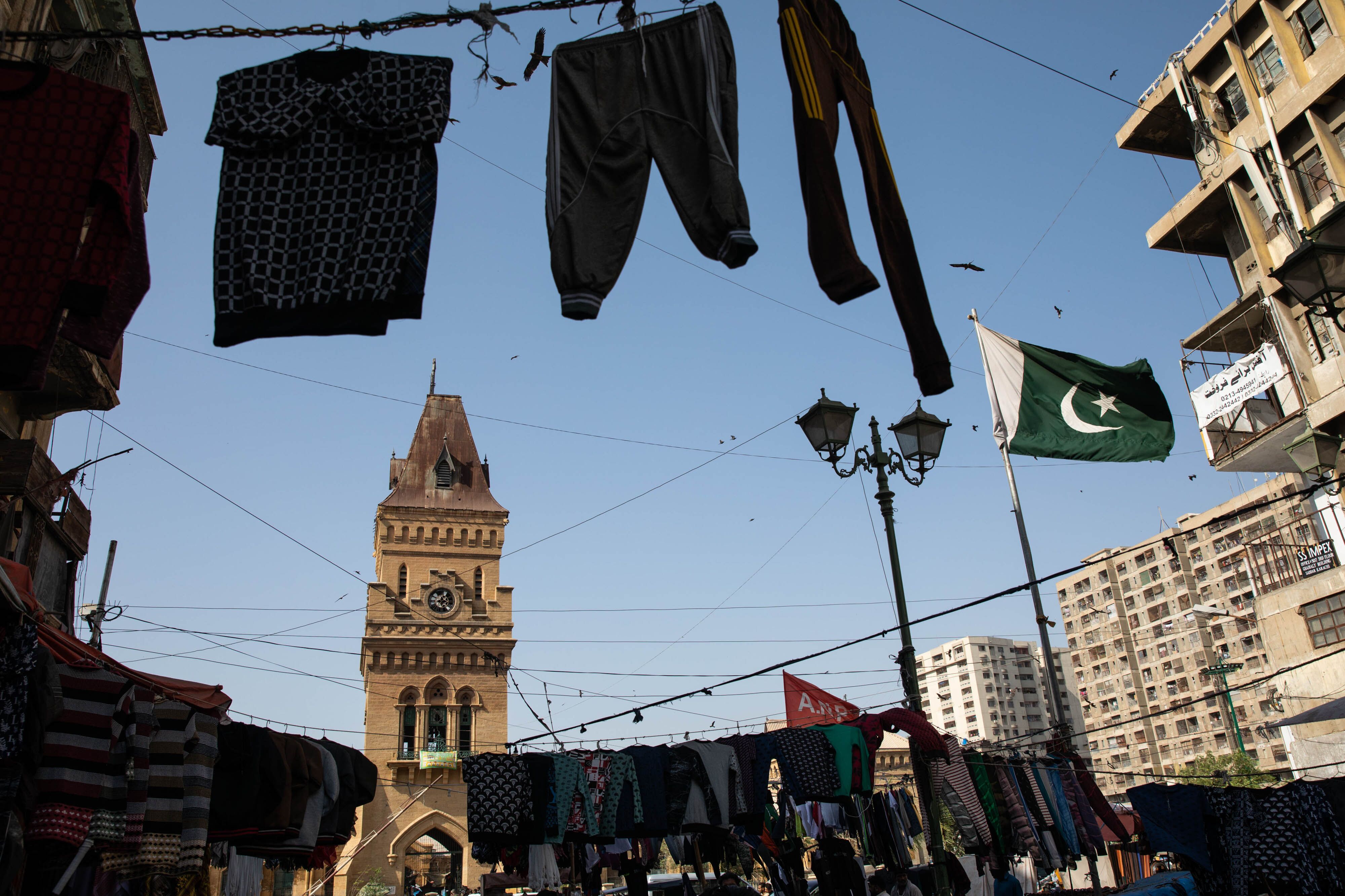
Farzana, who works as a maid in one of Karachi’s poshest neighborhoods, said she’s been forced to borrow 5,000 rupees a month to keep up with a surge in the cost of living.
Her electricity and gas bills have doubled and a recent gallbladder surgery cut into the family’s savings. To meet monthly expenses, Farzana’s 16-year-old son took a job at a restaurant and stopped attending school.
“Life has become very tough, but what can one do?” Farzana said. “I have even sold all my jewelry to manage our house expenses.”
Mohammad Rashid, farmer
In rural parts of the country, farmers have weathered especially heavy losses, as high fuel and electricity costs cut into their profits.
Mohammad Rashid, who grows wheat, sugarcane, pulses and cattle fodder on a small 20-acre farm in Punjab’s Khushab district, said labor costs have increased enormously over the last couple of years.
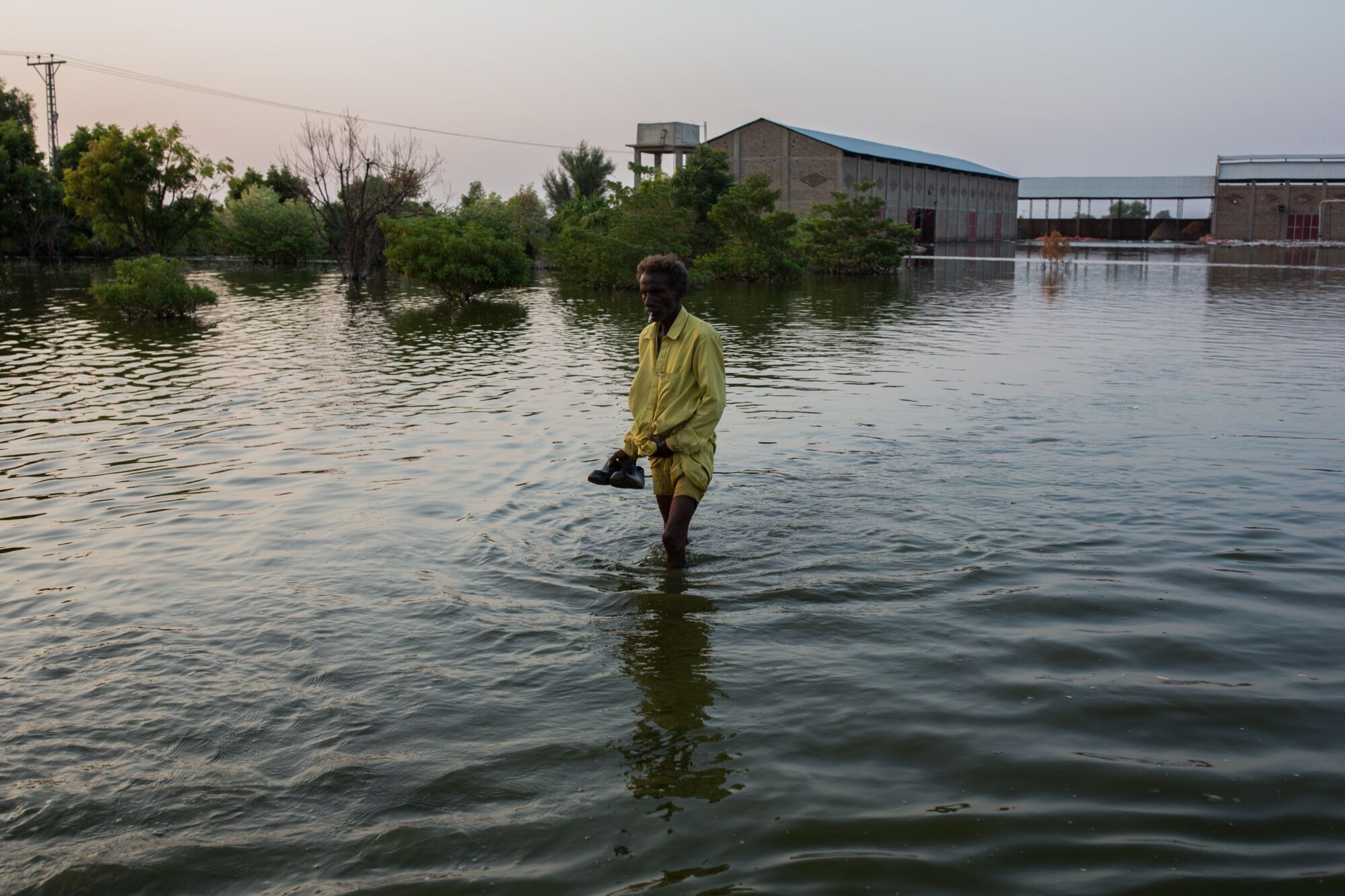
Last summer, flooding killed more than 1,300 people in another part of Pakistan, causing more than $30 billion in damage.
Officials have pushed wealthier nations to cover the bill. Pakistan is classified as the world’s eighth most vulnerable country to climate change, but it contributes just 1% to global emissions.
“We don’t have enough to spend on food,” Rashid said. “So how can we manage things like clothes, education, electricity?”
©2023 Bloomberg L.P.