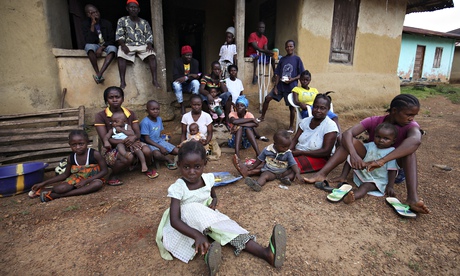
The struggle to contain the Ebola outbreak has pushed global health into the spotlight. While much has been said about the world’s slow response to the crisis, focus has also shifted to the broken health systems that contributed to the epidemic.
Our latest Global development podcast explores the lessons the Ebola outbreak can teach us about global health inequality, looking at the weaknesses in the current response, the shortfall in global health spending, and the actions required to prevent further outbreaks. The Guardian’s health editor, Sarah Boseley, spoke to Dr Marie-Paule Kieny of the World Health Organisation, along with Professor David Heymann from the London School of Hygiene and Tropical Medicine, and Oxfam’s Mohga Kamal-Yanni.
Kieny said it was not enough simply to rebuild the health systems weakened by Ebola; leaders should instead rethink how health sectors operate in developing countries, she argued. “It does definitely need a new way of thinking, not just at a national level but at a global level,” said Kieny. “The worry is that once Ebola goes from the headlines, then we’re back to square one until we have the next outbreak.”
We want to know what you think. Could the Ebola outbreak be the tipping point for addressing wider global health problems? What lessons do you think the world can learn? Add your thoughts in the comment thread below. If you have any problems posting, or would prefer to comment anonymously, email us at development@guardian.co.uk and we’ll add your views to the thread.