
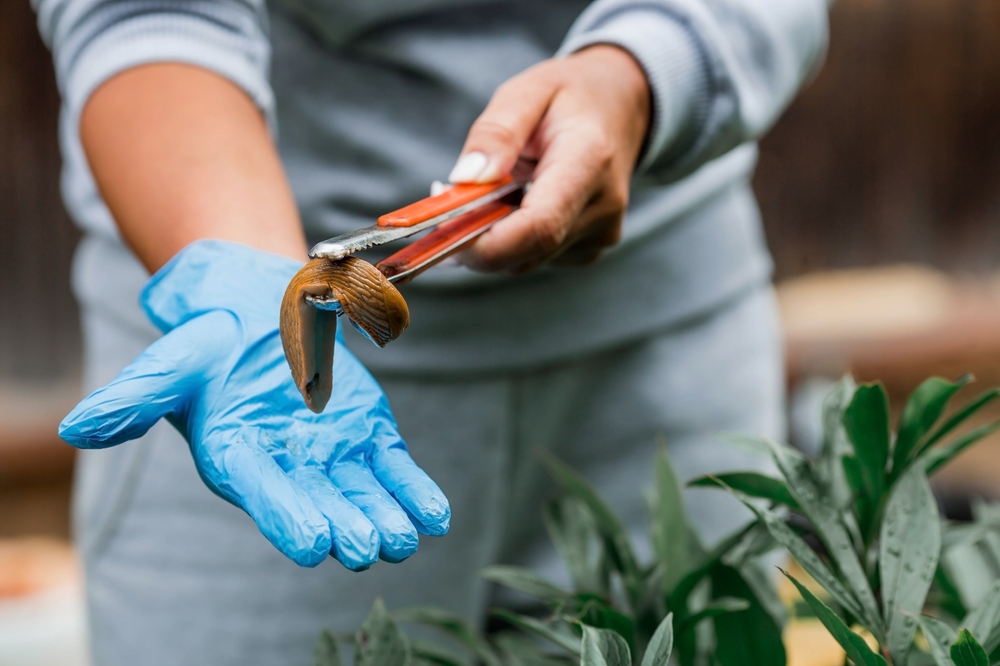
Slugs can turn a promising garden into a midnight buffet, leaving ragged holes in lettuce, seedlings, hostas, and other tender plants. The safest way to handle them starts with a simple strategy: make the garden less inviting, remove the slugs you find, and use controls that target slugs without creating unnecessary risks for pets, wildlife, soil, or beneficial garden creatures.
A slug problem rarely requires reaching for the strongest product on the shelf. A few practical changes can make a surprisingly big difference, especially when gardeners combine several gentle methods instead of expecting one magical trick to solve everything overnight. Slugs may be slimy little freeloaders, but they have habits, and those habits give gardeners plenty of opportunities to send them elsewhere.
Start With the Least Dramatic Solution
The safest slug control often involves the least glamorous gardening tool imaginable: a pair of gloves. Slugs typically hide during the day in cool, damp places such as beneath boards, pots, dense mulch, leaves, and other garden debris, which makes a morning inspection surprisingly productive. Pick them up and drop them into a container of soapy water, or remove them from the garden and dispose of them according to local rules. The important point involves consistency, because removing a few slugs every day can prevent a small population from turning into a full-blown garden nuisance.
A flashlight can make evening patrols even more effective because slugs often emerge when the sun goes down and the soil remains damp. Check around the base of vulnerable plants, along garden edges, beneath leaves, and near places where irrigation leaves the soil wet for long periods. This approach works especially well for small gardens, raised beds, and new plantings where a gardener can quickly inspect the entire area. It also avoids putting a broad chemical treatment across soil that supports earthworms, microorganisms, and other parts of the garden ecosystem.
Make the Garden Less Welcoming
Slugs love moisture, shade, and hiding places, so garden cleanup can make the landscape less comfortable for them. Remove piles of wet leaves, old boards, unnecessary containers, and other objects that create cool shelters directly beside vulnerable plants. Thin out overcrowded growth where practical, since dense foliage can hold moisture against the soil and create a perfect daytime retreat. A tidy garden does not need to look sterile, but it should avoid offering slugs a five-star hotel under every pot.
Watering habits matter, too. Watering in the morning gives leaves and the soil surface more time to dry before nighttime, when slugs become active. Drip irrigation or a soaker hose can also deliver water closer to plant roots instead of wetting the entire garden surface. Gardeners should not let plants wilt simply to discourage slugs, but directing moisture where plants need it can reduce the damp conditions that encourage slug activity.
Use Barriers With Realistic Expectations
Physical barriers can help protect individual plants, particularly young seedlings and leafy crops. Copper tape sometimes works around containers and raised beds because contact with copper can discourage slugs, although results can vary and the barrier must remain continuous and free of dirt, leaves, or other material that allows slugs to bypass it. A barrier with a gap is less like a fortress and more like a garden invitation with a side door. Check the tape regularly, especially after weather, plant growth, or garden maintenance creates a bridge over the protected area.
Some gardeners also use rough materials around plants, but common household folklore deserves a little skepticism. Sharp or abrasive materials may discourage some slugs temporarily, yet they often lose effectiveness when they become wet or mixed into the soil. Salt, meanwhile, should stay out of garden beds because it can damage plants and increase soil salinity. The safest barrier strategy focuses on practical physical separation rather than turning the garden into a chemistry experiment.
Choose Slug Products Carefully
When hand-picking and garden changes do not provide enough control, gardeners can consider a slug bait that uses iron phosphate as its active ingredient. Always read the current product label and follow its directions, because formulations and instructions vary. A product that carries a lower-risk reputation still requires proper use, and gardeners should never assume that a natural-sounding ingredient makes unlimited application acceptable. Keep any pesticide or bait away from children and pets according to the label, and store it in its original container.
Avoid the temptation to use more product than the label allows. More bait does not automatically mean better control, and unnecessary applications can create avoidable exposure for organisms that share the garden. Metaldehyde products require particular caution because they can pose serious risks to pets if animals ingest them. A careful gardener checks the active ingredient, follows the label, and chooses the least hazardous effective option for the specific situation instead of grabbing the strongest product available.
Skip the Backyard Myths That Create New Problems
Beer traps have earned legendary status in slug conversations, and they can attract slugs, but they also require regular maintenance and will not solve every slug problem in a garden. A shallow container sunk into the soil can collect slugs, but it may also need frequent emptying and replacement. The trap should sit close to the soil surface without creating a hazard for children, pets, or other animals. In a small garden, a simple trap can serve as one tool among several, but it should not become the entire pest-control plan.
Other popular tricks deserve caution as well. Pouring salt directly on slugs kills them, but salt can damage nearby plants and soil, making it a poor choice for routine garden management. Boiling water can kill slugs in cracks and hardscape areas, but gardeners should take care around plants, roots, and anyone nearby. The safest approach usually looks less dramatic than the internet’s favorite garden hacks, which is a good thing because a garden should produce vegetables, not experimental disaster scenes.
A Gentle Strategy Works Best Over Time
The most effective low-risk approach combines several small actions: remove hiding places, water early, protect vulnerable plants, hand-pick slugs, and use a carefully selected product only when necessary. Each step attacks a different part of the problem, which makes the overall strategy more reliable than relying on one miracle cure. A gardener might discover slugs beneath a planter, move the planter, adjust watering, protect a row of seedlings, and check the area again the next evening. That simple routine can prevent a frustrating problem from becoming a season-long battle.
The goal does not involve eliminating every slug from the planet, because gardens contain complex communities and many creatures play useful roles in the soil and landscape. The goal involves protecting plants from damaging levels of feeding while minimizing unnecessary harm to everything else. For most home gardens, the safest answer starts with observation and prevention, then moves toward targeted control only when the damage justifies it.
The Best Slug Control Is Usually the Least Reckless
Gardeners do not need harsh chemicals to deal with most slug problems. A combination of regular inspections, reduced hiding places, smarter watering, physical barriers, and carefully chosen slug control products can protect plants while keeping the response targeted. The safest method depends on the garden, the severity of the damage, and the presence of children, pets, and wildlife, so a little observation should come before any treatment.
Which slug-control method has worked best in your garden, and which popular trick turned out to be a complete flop? Give us your experience in the comments.
You May Also Like…
What Is the Cheapest Way to Keep Berries Away From Birds?
The Cheapest Way to Start a Community Garden Plot
The Pesticide Lie: Why You’re Paying for Chemicals You Already Have in Your Pantry
March Bugs That Target Tender New Leaves
5 Bugs in Your Garden That Could Be Destroying Your Home’s Foundation
The post What Is the Safest Way to Handle Slugs Without Harsh Chemicals? appeared first on Frugal Gardening.