

When it comes to fantasy world-building, Netflix’s The Witcher offers a world as complex and mystifying as Lord of the Rings or Game of Thrones. There are countless kings, fiefdoms, monsters, and spells to remember, but one local custom on The Continent is particularly important in the show’s first season. “The Law of Surprise” plays a key role in one pivotal moment from Witcher Season 1, Episode 4, but the series doesn’t exactly do a great job explaining what this law actually is.
Confused? We’re here to help with an explainer on how the Law of Surprise works in the Witcher universe and what it means for the Netflix adaptation.
Warning! Spoilers for The Witcher* Season 1, Episode 4 follow.
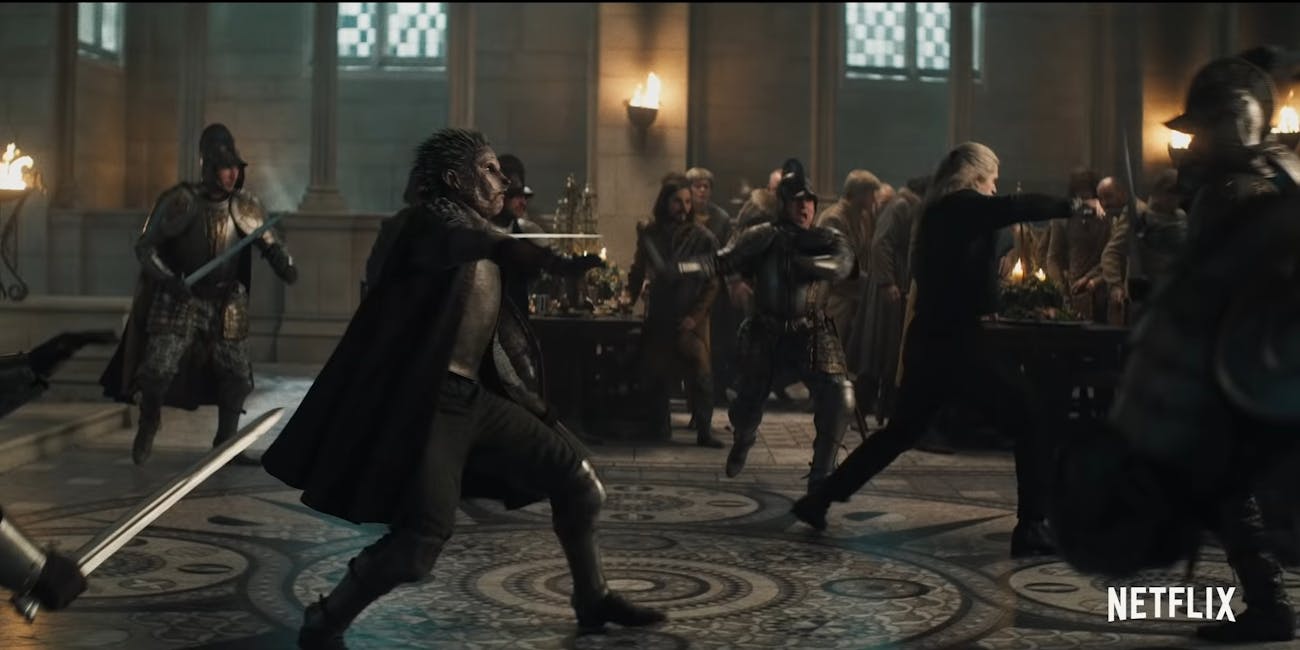
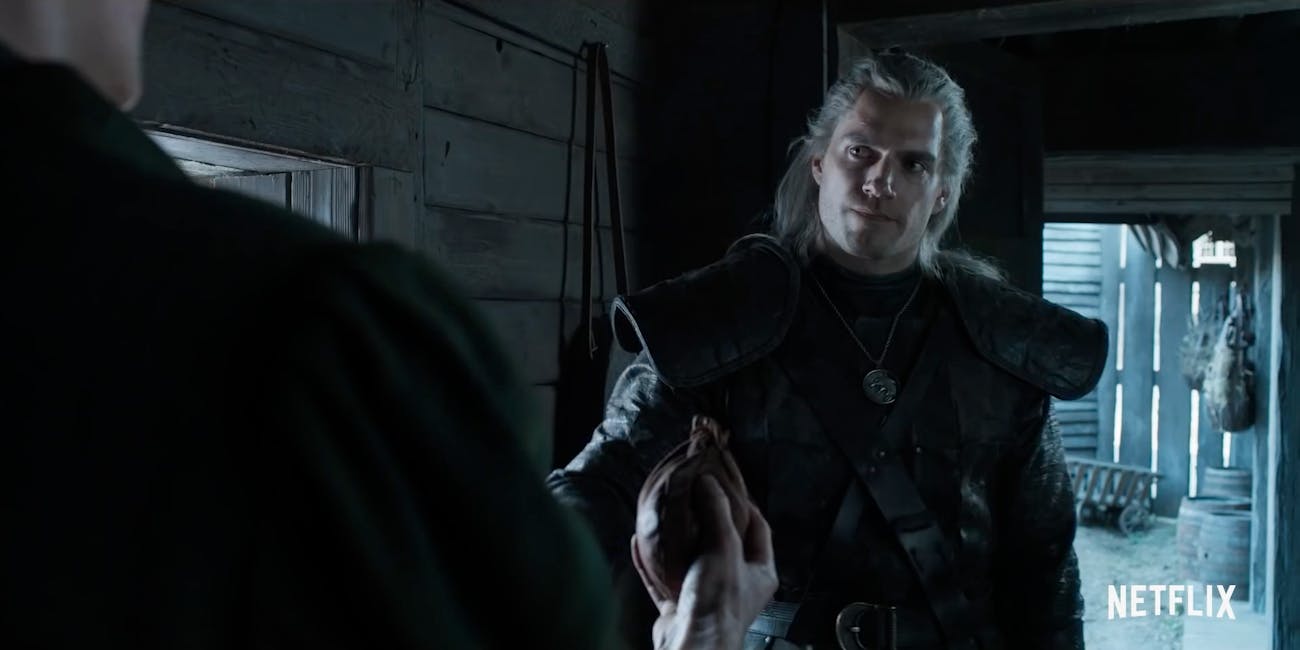
In the fourth episode of Netflix’s The Witcher, Queen Calanthe hosts a party to find a worthy spouse for her daughter, Princess Pavetta. Duny, a cursed knight, crashes the event and requests to marry Pavetta. His interest in her is initially brushed off, but after he cites the Law of Surprise as the reason behind his claim, Geralt and other figures in the room come to his aide. After assisting Duny, the knight offers Geralt a reward. Much to the shock of those in the room, Geralt claims the Law of Surprise, leading him to claim Pavetta and Duny’s unborn child.
Despite being invoked twice, the Netflix show never defines the Law of Surprise. So why exactly does Geralt get to claim ownership over the princess’ future child?
What is the Law of Surprise in Witcher?
Traditionally, the Law of Surprise is used as a “reward” in lieu of a financial payment, but it’s more often a prize for rescuing somebody from a life-threatening situation. For example, Duny got Law of Suprise-ed by Geralt after the witcher stopped the queen’s forces from killing him. Once invoked, the savior can claim something the saved has yet to meet. That “something” can change depending on the phrasing used.
The common phrasing and the one used by both Duny and Geralt is “What you find at home yet don’t expect.” This is often used to imply the reward is a child or something else found at home that the person saved either didn’t know about or didn’t intentionally obtain.
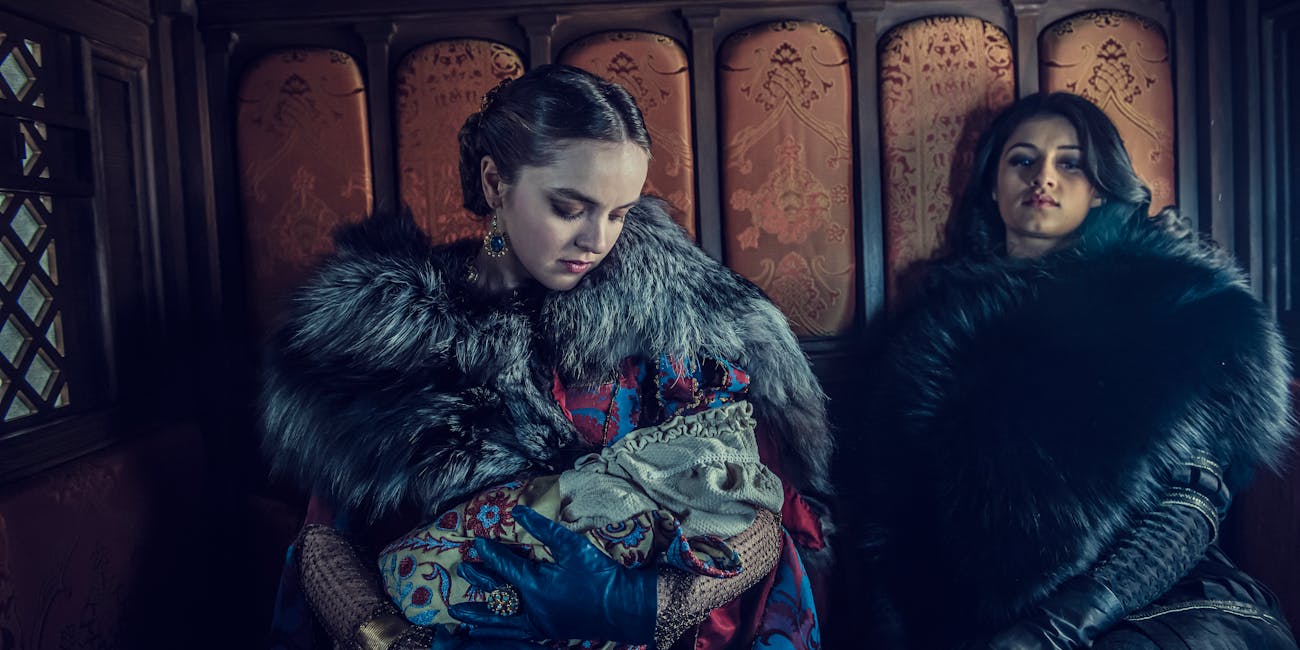
For example, Duny was ignorant that he had impregnated Pavetta with his child until Geralt invoked the Law of Surprise, which is key to Geralt’s right to the child. Had Duny been informed by Pavetta prior to that interaction, he’d still be in custody of the child. This also applies to children obtained via other means. In the books, there’s a moment Geralt saves a traveling merchant. The merchant rewards Geralt with the Law of Surprise, inadvertently promising the witcher custody of the fully grown child his wife had taken in while the merchant was traveling.
One variation on the law rearranges the phrase as “The first thing that comes to greet you.” This simply means that whenever you reach your estate, the first thing to say hello now belongs to the person who saved you. This could be your wife, dog, or in modern times, your Amazon Alexa. The conditions are met so long as somebody greets you in their tongue.
Despite how ridiculous this all sounds, The Law of Surprise doesn’t have to be enforced. It operates on an honor code that was established close to the dawn of society. The person who originally requested it has every right to cancel their “reward.” The Law of Surprise is closer to a social custom than a law, but hey, tradition is tradition, right?
Who does the Law of Surprise help in Witcher?
Does such a law actually help anyone? What good does obtaining some random person’s offspring do?
Well, lots, actually. Many have used Law of Surprise children as a way to find a successor. Some have used it as an “in” to joining a royal family. Most witchers were originally obtained through the Law of Surprise.
So while it sounds ridiculous, the Law of Surprise helped bring together the series’ star ensemble. So can it really be that bad?
The Witcher is now available for viewing on Netflix