Giving up “avocado toast” and living frugally may help you build a nest egg and retire early from the grind.
A money management strategy and minimalist lifestyle called FIRE (Financial Independence Retire Early) is currently getting more traction as the old rules are being torn up.
“The retirement age is increasing so people face having to work for more years and they’re living longer,” says Rajan Lakhani, personal finance expert and head of money at Plum.
“And now with the extra challenges Gen Z is facing with the cost-of-living crisis and high housing costs, there’s more of a momentum behind FIRE.”

What does FIRE actually look like in practice? Here is everything you need to know about this retirement finance strategy…
What is the aim of FIRE?
“FIRE is all about maximising the amount of money saved and invested to achieve financial independence at an early retirement age, so you don’t have to carry on working into your 50s and 60s,” says Lakhani.
How do you calculate your FIRE?
“The typical way is to multiply your expected annual retirement expenses by 25 to give an achievable nest egg based on you withdrawing 4% a year,” he explains.
“For example, if you need 30,000 a year, your FIRE number would be £750,000 – and you need to account for compound interest, investment returns, state benefits and any housing assets.”
What are the different ways to achieve Lean FIRE, Fat FIRE and Barista FIRE?
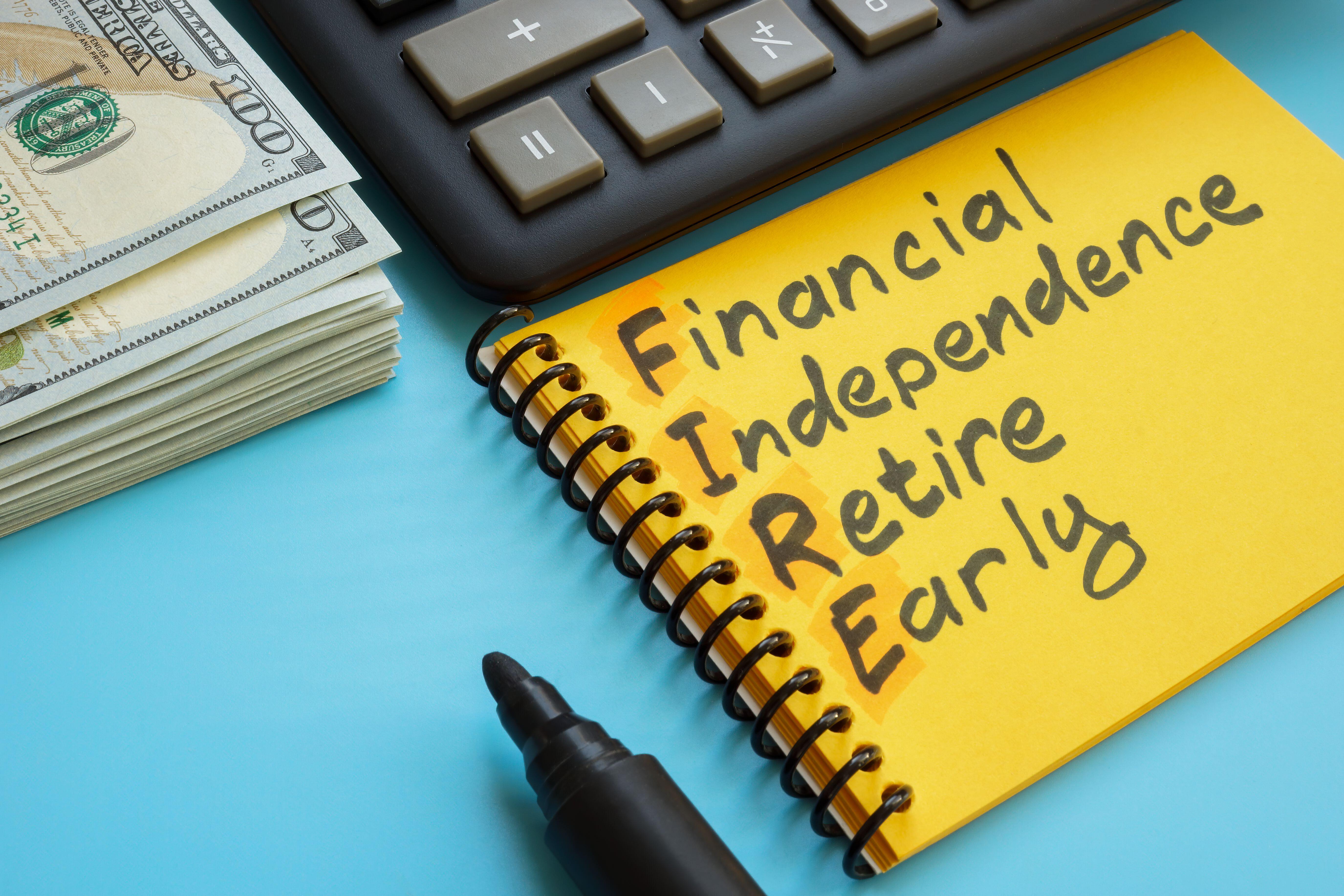
Early retirement looks different to everybody and FIRE has three approaches.
“Lean FIRE is for people who have a frugal lifestyle and want an early minimalist retirement. They earn enough to cover costs but save aggressively to retire early,” explains Lakhani.
“Fat FIRE is for people who want a higher standard of living and retirement, requires more wealth and a higher income.
“While Barista FIRE is a hybrid approach where you choose semi-retirement. Many people just want to continue working for the camaraderie and to keep some money coming in.”
What’s the best age to start FIRE?
The sooner you start, the better.
“Gen Z has the best opportunity to achieve this goal of retiring early, but it’s a big lifestyle sacrifice,” he warns.
“If early millennials in their 40s haven’t started by now, it’s going to be very difficult for them to retire early, but they might be able to achieve Barista FIRE.”
How does FIRE work in practice?
The old financial trope of giving up avocado toast can work for FIRE savers.
“They need to be ruthless about unnecessary expenditure like takeaways,” says Lakhani.
“They must budget for essential costs – rental, bills and transport – see what’s remaining and then save 50-70% of that. They must track every penny, review bank statements, cancel unused subscriptions, dress and furnish cheaply and buy second hand.”
A mindset of success is also needed.
“They need to work hard and earn those promotions, or change jobs or start a side hustle,” he adds.
Is FIRE realistic for the average person?

The FIRE method is not for everyone.
“FIRE savers need mental discipline, be wholly committed and it helps to start really early,” says Lakhani. “These are people who can stick to their goals while seeing friends going out enjoying themselves.”
He adds, “A big part of it is also earning a higher income and making progress in their career, and not everyone is able to do that.”
How do I start being FIRE?
There are lots of tools available to make saving and investing easier.
“Our customers connect their bank account to us then our algorithm works out how much to save. They regularly tell us they didn’t realise they could save that much,” says Lakhani.
“Mortgage rate rises and increased food prices has made saving more of a challenge but then 4-5% interest rates on savings is a decent return.”
The key is to make your money work harder.
“I would recommend maxing out tax-efficient vehicles like ISA and that you start investing,” suggests Lakhani.
“In your 20s, you get 15-20 years’ market growth. Shop around to find low-cost and commission-free providers, diversify investments and give yourself the time to go through market peaks and troughs.”
What are the downsides?
“The extreme sacrifice in the prime of life can be tough,” reflects Lakhani. “Also, who knows what your health is going to be like in 30 years? That sacrifice could be misplaced.
“Investments are also at the mercy of the markets and there will be changes to state rules around the benefits, tax and social care regulations.”
What are the benefits?

“The main benefit is the freedom to live longer and later on your own terms and not having to have the pressure of the daily grind,” concludes Plum’s Lakhani. “It gives people the opportunity to pursue their true passions.”