
A hot compost pile can feel like a miniature volcano sitting quietly in the corner of the yard. Learning how to cool down hot compost helps gardeners protect valuable nutrients, keep decomposition balanced, and avoid turning a helpful pile into a dried-out heap of disappointment.
Compost needs heat to break down kitchen scraps, leaves, and yard waste, but too much heat creates problems. A well-managed pile should feel active and alive, not like a forgotten campfire with a gardening label stuck on it.
Check the Compost Temperature Before Making Changes
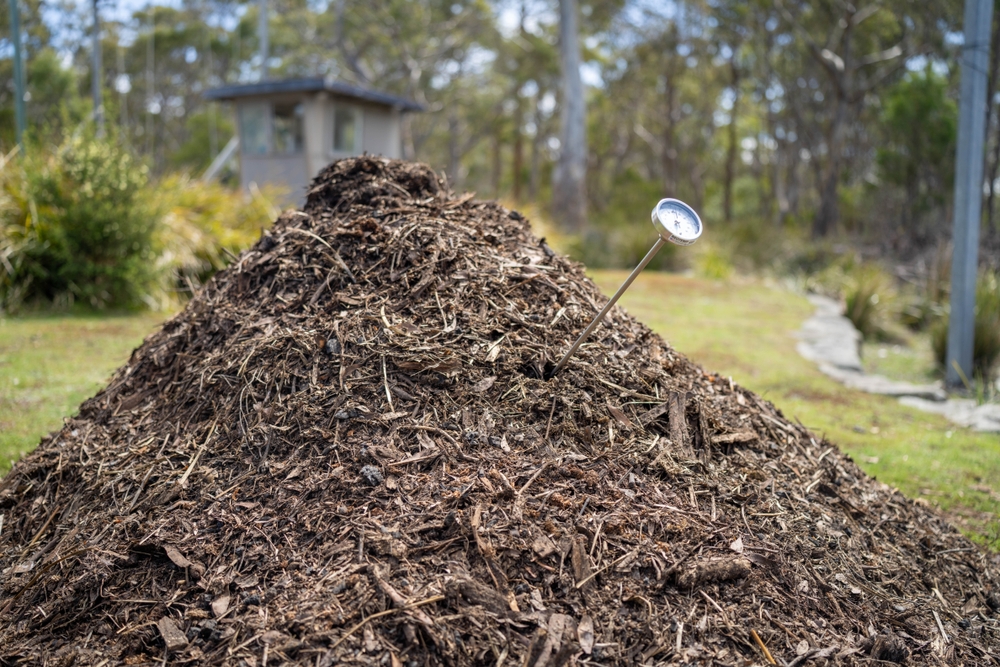
The first step involves checking how hot the compost pile actually feels instead of guessing from the outside. A pile can feel warm on the surface while the center holds much more heat. A compost thermometer gives the clearest picture, but a gardener can also push a hand into the middle section to check the temperature carefully.
A pile that feels uncomfortably hot usually contains plenty of nitrogen-rich materials, such as grass clippings, fresh weeds, or food scraps. Those materials fuel rapid microbial activity and create a burst of heat during decomposition. If the pile climbs too high, the microbes that prefer moderate conditions may slow down and leave the compost process uneven.
Cooling hot compost often starts with simple observation rather than dramatic action. Gardeners sometimes worry when steam rises from a pile, but steam alone does not signal a problem because warm compost naturally releases moisture into the air. The real concern comes from excessive heat combined with dryness, unpleasant odors, or a pile that stops breaking down properly.
Turn the Pile to Release Heat and Add Air
Turning compost works like opening a window in a stuffy room because it releases trapped heat and brings fresh oxygen into the mix. A garden fork or compost aerator can loosen compacted areas and help materials mix more evenly. This simple chore often brings a struggling pile back into balance without requiring extra supplies.
Hot compost frequently develops dense pockets where moisture, food scraps, and grass clippings gather together. Those areas create intense microbial activity, which pushes temperatures upward. Turning the pile breaks apart those clumps and spreads the ingredients across the entire compost bin.
A good turning routine also prevents another common compost problem: poor airflow. Oxygen-loving microbes handle decomposition efficiently, while a lack of oxygen can encourage unpleasant smells. Moving the materials every few days during a very active phase helps maintain a healthier environment inside the pile.
Add Brown Materials to Calm an Overheated Compost Pile
Brown materials act like a cooling blanket for compost because they balance the nitrogen-heavy ingredients that create intense heat. Dry leaves, shredded cardboard, straw, and small twigs add carbon while creating more space for air movement. These materials help slow down an overly aggressive pile without stopping the composting process.
Many gardeners accidentally create a hot compost pile by adding too many grass clippings or vegetable scraps at once. Fresh green materials contain moisture and nitrogen, which can quickly accelerate decomposition. Mixing in several handfuls of dry leaves or shredded paper can help restore the right balance.
Adding brown materials works best when gardeners mix them throughout the pile instead of creating a dry layer on top. The goal involves creating a blend where moisture, oxygen, carbon, and nitrogen work together. Compost should smell earthy and fresh, not sour like forgotten leftovers hiding in the back of a refrigerator.
Keep Moisture Balanced for Better Compost Control
Water plays a major role in compost temperature because microorganisms need moisture to stay active. A pile that becomes too dry may cool down too quickly and slow the breakdown process. A pile that becomes soggy can lose airflow and create a completely different set of problems.
The ideal compost texture resembles a damp sponge that feels moist but does not drip water when squeezed. Gardeners often fix overheated compost by adding dry materials, but sometimes the pile needs more moisture instead. Checking the texture before making changes prevents unnecessary adjustments.
A balanced compost pile rewards patience because nature handles the heavy lifting. Cooling hot compost does not require special equipment, complicated formulas, or a backyard science laboratory with blinking lights. Regular turning, smart ingredient choices, and simple observation create rich compost that supports healthier garden soil.
Turn a Steaming Compost Pile Into Garden Gold
Hot compost shows that the garden has plenty of activity happening beneath the surface. A little heat means the microorganisms are working, but excessive temperatures require attention. Cooling the pile through airflow, carbon-rich materials, and proper moisture management keeps the process moving in the right direction.
The best way to cool down hot compost combines patience with practical action. Turning the pile, adding brown materials, and checking moisture levels create a simple recipe for compost success. That steaming pile of scraps and leaves can become one of the most useful resources in any garden when handled with care.
What methods have worked best for cooling down a hot compost pile in your garden? Let’s share our compost tips, surprises, and lessons in the comments section below.
You May Also Like…
Vermicomposting 101: Setup, Costs and Time Savings Compared to Traditional Bins
7 Things You Should Never Put in Your Compost Bin
Why Adding Compost Now Can Transform Soil Quality
How to Make Compost Tea to Improve Soil Health
The post What Is the Best Way to Cool Down Hot Compost? appeared first on Frugal Gardening.