OpenAI seems to drop new models, features and ideas on a whim. Which is why any hint of a new product leads to intense speculation on social media.
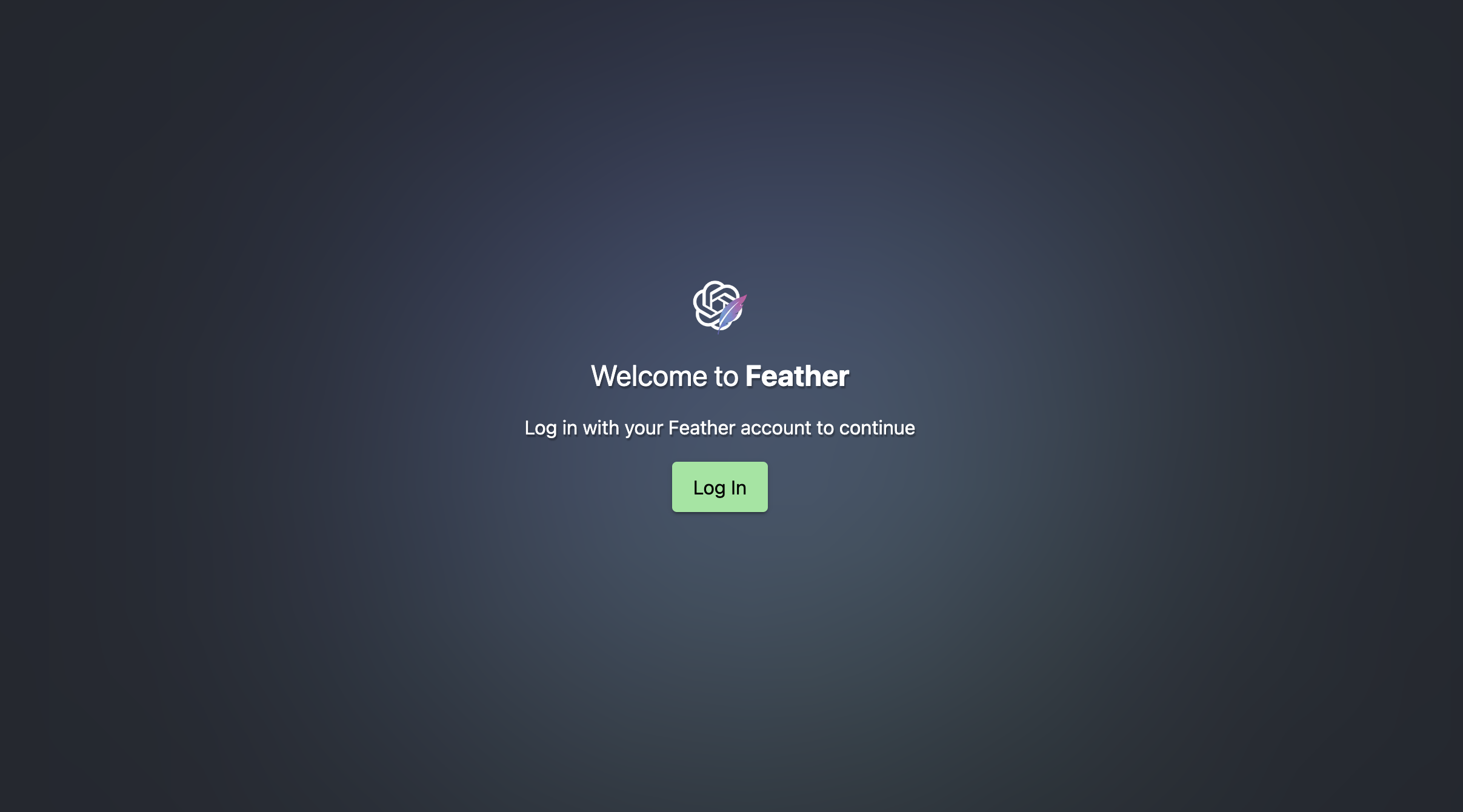
The latest page to draw the attention of internet sleuths is "Feather", an OpenAI login page that some users speculate is the secret login for the next generation GPT-5 model.
In reality it is more than likely something much more prosaic, a login page for OpenAI researchers to label datasets or a new platform for companies to build on OpenAI models.
What are some of the Feather theories?
One big desire among the most hardcore OpenAI fans is the arrival of GPT-5 with many speculating it will bring with it the long-awaited superintelligence.
OpenAI has denied this is the case with CEO Sam Altman regularly saying Artificial General Intelligence (AGI), where AI will have human like reasoning, will be less obvious than expected.
Mostly it is just a case of excitement over the prospect of another OpenAI product. This is being driven by the hype surrounding the impressive Sora AI video model dropped earlier this month.
What is OpenAI Feather?
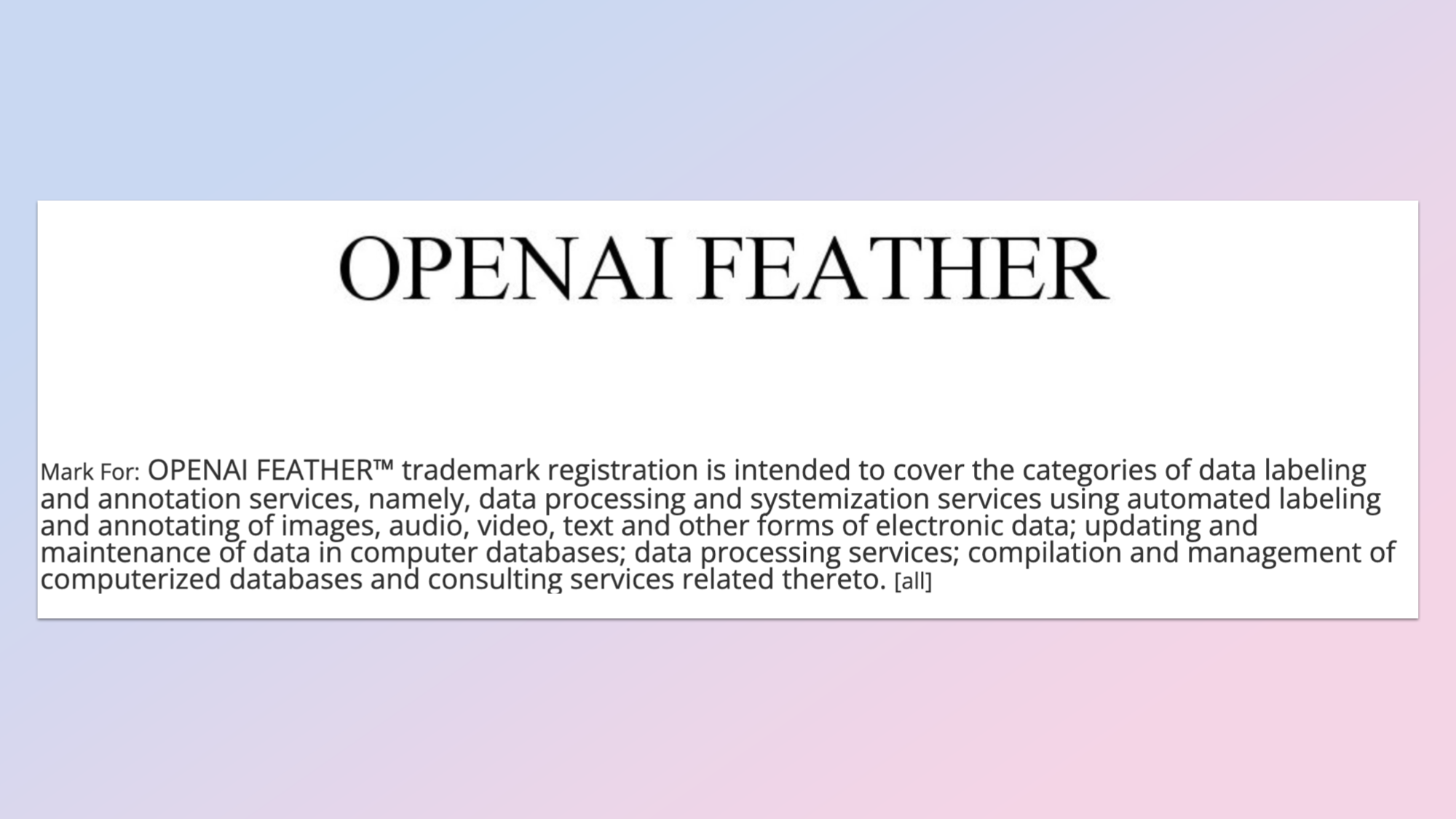
There are no specifics details from OpenAI on what Feather is beyond a trademark application first filed last year for a data labeling and annotation service.
The U.S. PTO application says Feather’s trademark includes permissions for data processing and systemization services using automated labeling and annotating of images, audio, video, text and other forms of electronic data.
This supports the suggestion from some users on X that Feather is used by third-party contractors to label data objects to make the training of new AI models easier.
OpenAI Feather US patent application says:Platform as a service (PAAS) featuring computer software platforms for use in data science, namely, for use in data transformation and manipulation; platform as a service (PAAS) featuring computer software platforms for use in dataset…February 26, 2024
What is data labelling?
Having a platform for the people tasked with training new AI models to easily make data used for training is a significant time save. The process can be laborious and so being able to automate and simplify much of the process, you can train models faster.
While this might not be GPT-5, being able to more efficiently label images, video, text and code will significantly speed up the arrival of GPT-5 and other models in future.
There may also be a use case in marking the videos and images used in training models like Sora to ensure they aren’t outputting illegal content or infringing privacy or copyright rules.