India is moving quickly to contain a Nipah virus outbreak in the eastern state of West Bengal after two cases were confirmed by the federal health ministry.
Nearly 200 people have been quarantined after they were identified as contacts of the infected patients, according to officials. All were found to be asymptomatic and tested negative for the virus, the ministry said.
But the West Bengal cases have sparked concern across Asia, with several countries introducing new Covid-style health checks at airports receiving flights from the region.
Nipah is a deadly virus with no vaccine or cure and is considered a high-risk pathogen by the World Health Organization. Experts say human infections are rare and usually occur when the virus spills over from bats, often through contaminated fruit.
Here is everything you need to know about this virus:
Nipah virus (NiV) infection: What are the symptoms?
Nipah virus (NiV) infection most often begins with non-specific symptoms, making early detection difficult.
According to the US Centers for Disease Control and Prevention (CDC), the incubation period is generally believed to range from four to 21 days, though longer delays between exposure and illness have been reported in rare cases during previous outbreaks.
Patients typically develop a sudden flu-like illness marked by fever, headache, muscle pain and fatigue. In some cases, respiratory symptoms such as cough, shortness of breath or pneumonia also occur, although the timing and severity of these symptoms can vary widely.
The most serious and defining complication of Nipah infection is inflammation of the brain, known as encephalitis. Neurological symptoms, including confusion, altered consciousness, seizures or coma, usually appear several days to weeks after the initial onset of illness.
Some patients may also develop meningitis.
How deadly is the Nipah virus?
Nipah virus is associated with a high death rate, with fatality levels reported between 40 and 75 per cent depending on the outbreak and the viral strain involved.
Survivors may experience long-term neurological effects, such as persistent seizures or changes in personality, according to the UK Health Security Agency’s update.
In rare cases, encephalitis has been reported to recur months or even years after the initial infection, either due to relapse or reactivation of the virus.
How does the Nipah virus spread?
Nipah virus is a zoonotic pathogen that can be transmitted from animals to humans and from person to person, according to the World Health Organization.
The primary natural carriers are fruit bats (Pteropus species); humans can become infected through direct contact with infected bats or other animals, or by consuming food contaminated with bat saliva, urine or faeces.
Human‑to‑human transmission has also been reported, particularly through close contact with the bodily fluids of an infected person.
Where was the Nipah virus first found?
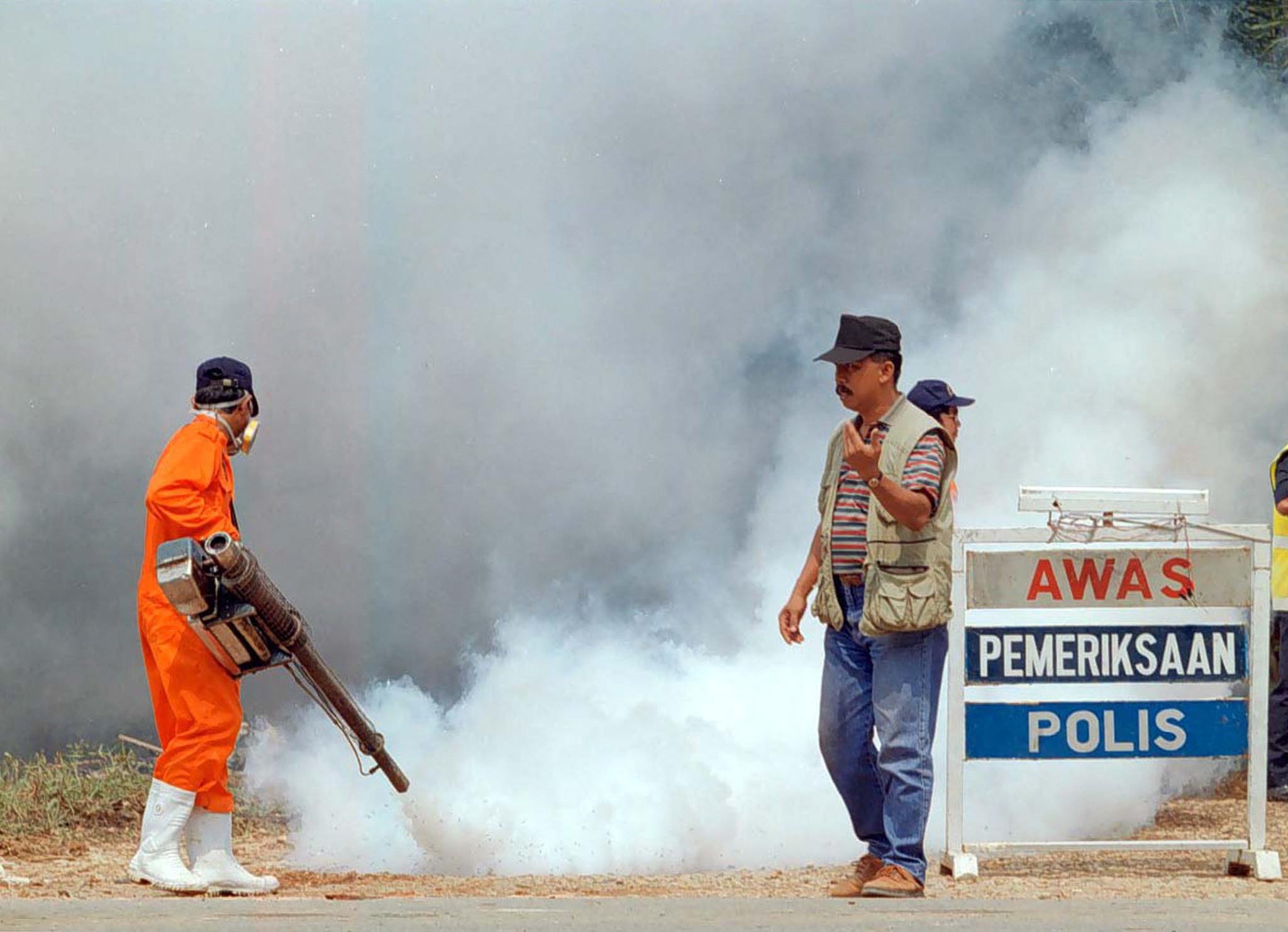
Nipah virus (NiV) was first identified in 1999 after an outbreak of encephalitis and respiratory illness among pig farmers and others who had close contact with infected pigs in Malaysia and Singapore. The episode led to the recognition of NiV as a serious zoonotic pathogen capable of crossing from animals to humans.
Since then, repeated outbreaks have been recorded in South Asia. Parts of northeast India and several districts in Bangladesh have reported cases, with Bangladesh experiencing outbreaks almost every year since 2001.
In southern India, the state of Kerala reported its first Nipah outbreak in 2018, followed by sporadic cases in subsequent years.
Beyond South Asia, infections have also been reported in the Philippines, with investigations suggesting they were caused by the Nipah virus or a closely related Nipah-like strain.
Scientific studies have identified fruit bats as the natural reservoir of the virus. Nipah virus has been isolated from bat urine in Malaysia, and antibodies have been detected in at least 23 bat species across Asia as well as in parts of Africa, including Ghana and Madagascar.
Despite this wide animal reservoir, confirmed human outbreaks have so far been limited to South and Southeast Asia, typically occurring in rural or semi-rural settings where contact between humans, bats and domestic animals is more likely, WHO says.
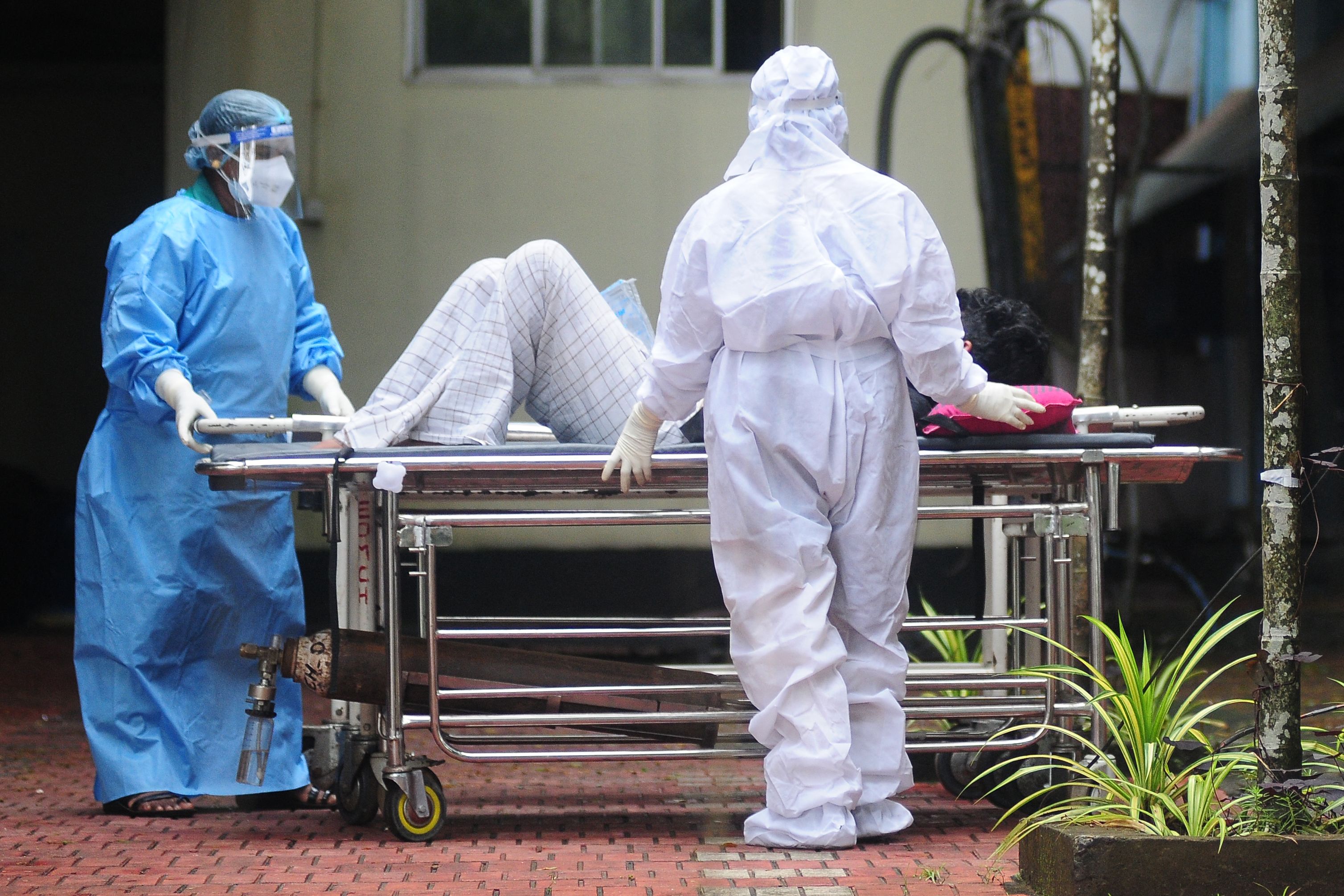
“Human-to-human transmission of Nipah virus has also been reported among family and caregivers of infected patients,” according to WHO.
Is there any treatment?
There is currently no proven, targeted treatment for Nipah virus (NiV) infection and no approved vaccine to prevent it.
Care for patients remains largely supportive, focusing on managing symptoms and complications as they arise.
Follow these essential precautions to prevent Nipah Virus infection. Stay alert, stay informed, and follow advisories issued by local health authorities.#NipahVirus #PublicHealth #HealthForAll pic.twitter.com/itTuZA18ev
— Ministry of Health (@MoHFW_INDIA) January 22, 2026
The virus is listed by the WHO as a priority pathogen under its Research and Development Blueprint, which identifies epidemic threats that require urgent research.
Reducing the risk of Nipahinfection
With no vaccine available, preventing Nipah virus infection relies on awareness and simple protective measures, global health agencies recommend. Public health advice focuses on reducing contact with the virus, whether from bats, animals, or infected people.
Bats are the main carriers of Nipah. People should avoid consuming raw date palm sap or fruits that might have been contaminated by bats, WHO guidelines advise.
Boiling fresh date palm juice and thoroughly washing or peeling fruits can reduce risk. Any fruit showing signs of bat bites should be discarded, the health agency advises.
People handling sick animals, their tissues, or during slaughter should wear gloves and protective clothing. Contact with infected pigs should be minimised, and pig farms in areas with fruit bats should take steps to protect feed and enclosures from bats.
Symptoms of Nipah Virus in humans can range from fever and headache to respiratory distress and neurological complications.
— Ministry of Health (@MoHFW_INDIA) January 20, 2026
Early recognition of these symptoms and timely medical care are critical to reducing severity and preventing complications.#NipahVirus #HealthAwareness… pic.twitter.com/odW9baGomD
Avoid close, unprotected contact with people infected with Nipah. Regular hand washing after caring for or visiting sick individuals is essential to stop the virus from spreading.
Nipah virus in popular culture
The 2011 film Contagion, which depicts a fast-spreading global virus, was partly inspired by real-life pathogens like the Nipah virus, a bat-borne virus first identified in Malaysia in 1999, according to global health non-profit Path’s website.
Nipah causes severe respiratory illness and brain inflammation (encephalitis) and can spread from animals to humans, contaminated food, or infected people.
Its high fatality rate, potential for outbreaks, and lack of a vaccine made it a model for how a zoonotic virus could trigger a pandemic, which filmmakers used to shape the realistic global crisis in Contagion, Path noted.
UK health chiefs issue new warning about Nipah virus
Another country introduces Nipah checks as Nipah virus outbreak grows
India issues Nipah virus update as number of people in quarantine doubles
Indian fans heartbroken after Bollywood singer announces surprise retirement at 38
Ajit Pawar: Prominent Indian politician among five dead in fiery plane crash
Dog stays by body for four days after teenagers die in Himalayan snowstorm