Donald Trump claims to have hashed out the “framework” of a future deal on Greenland following weeks of threats to annex the Danish territory.
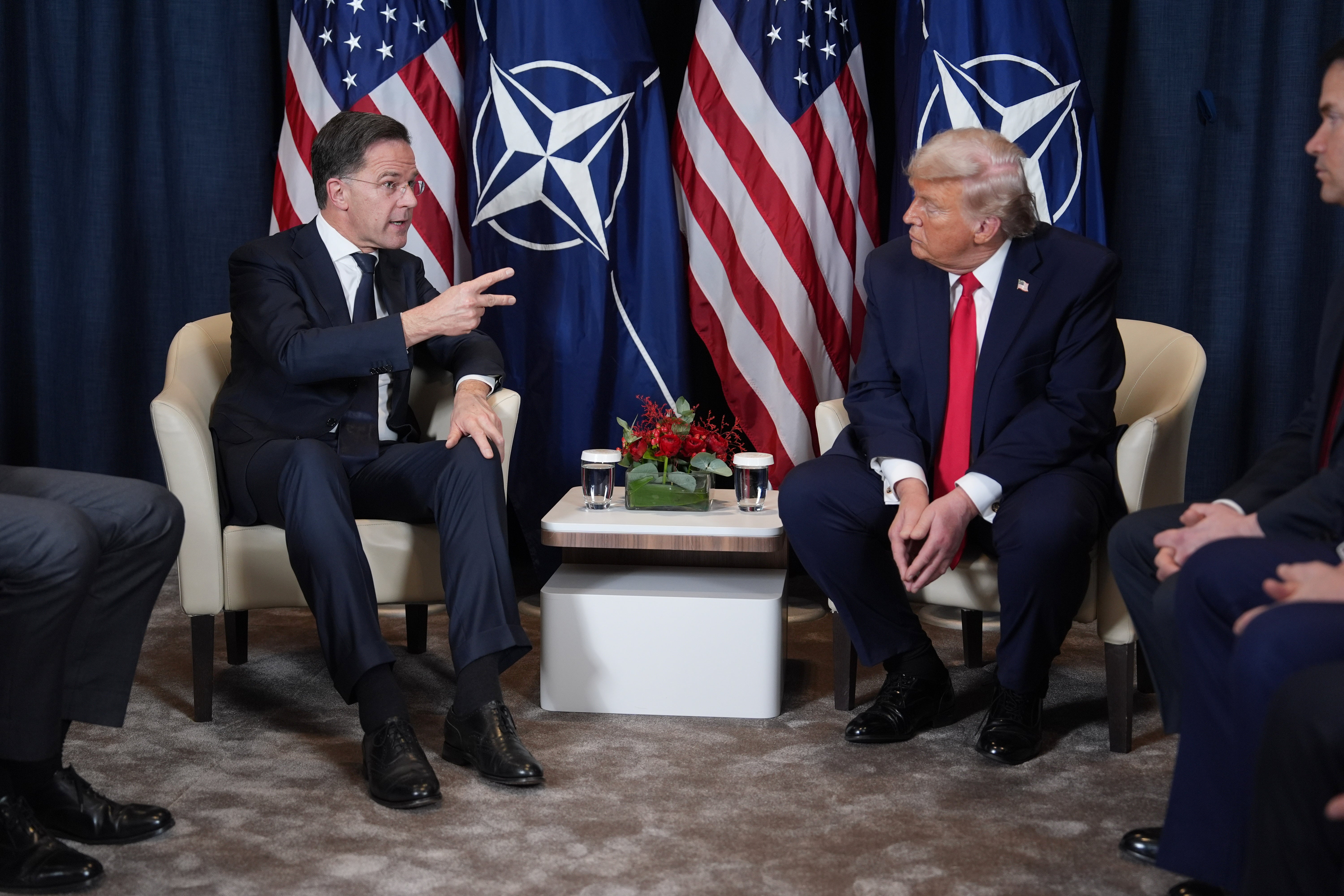
The US president emerged from talks with Nato secretary general Mark Rutte on Wednesday confident that a deal was in sight and that all parties were happy with it.
Denmark said it was open to dialogue so long as its borders are respected – but have notably not endorsed any aspects of the agreement briefed to the media or discussed publicly by Mr Rutte.
The shape of the arrangement was “a little bit complex”, Mr Trump said, and would have to be explained “down the line”. However, he waived his previous threat of tariffs against European allies in an apparent attempt to defuse tensions.
Mr Rutte said that Denmark would retain its sovereignty and stressed that Nato allies would have to step up on Arctic security “within months” under the framework deal currently being discussed.
Officials close to the negotiations briefed media outlets that a deal could see greater US freedom to build on the island, modelled on Britain’s overseas arrangements. But concrete details of what could form part of the deal remain scarce and there is no guarantee that Mr Trump’s demands will be accepted by Europe.
The Independent looks at how the US may look to strike an agreement with Denmark and Nato.
US sovereignty over military bases
In the hours before Mr Trump’s announcement, Nato officials were discussing the possibility of the US obtaining sovereignty over land for military bases, according to three senior officials familiar with the talks.
Such a deal could resemble the agreement Britain has with Cyprus to run its own bases on land regarded as UK territory. Akrotiri, Episkopi, Dhekelia and Ayios Nikolaos are termed British Sovereign Base Areas (SBAs), which stayed under British control when the independent Republic of Cyprus emerged in 1960.
They function as British overseas territories, with a civilian administration responsible for many civil government duties, like law and justice and immigration. They also have a police force and a mixed demographic with military and UK-based personnel and their dependents working alongside Cypriots.
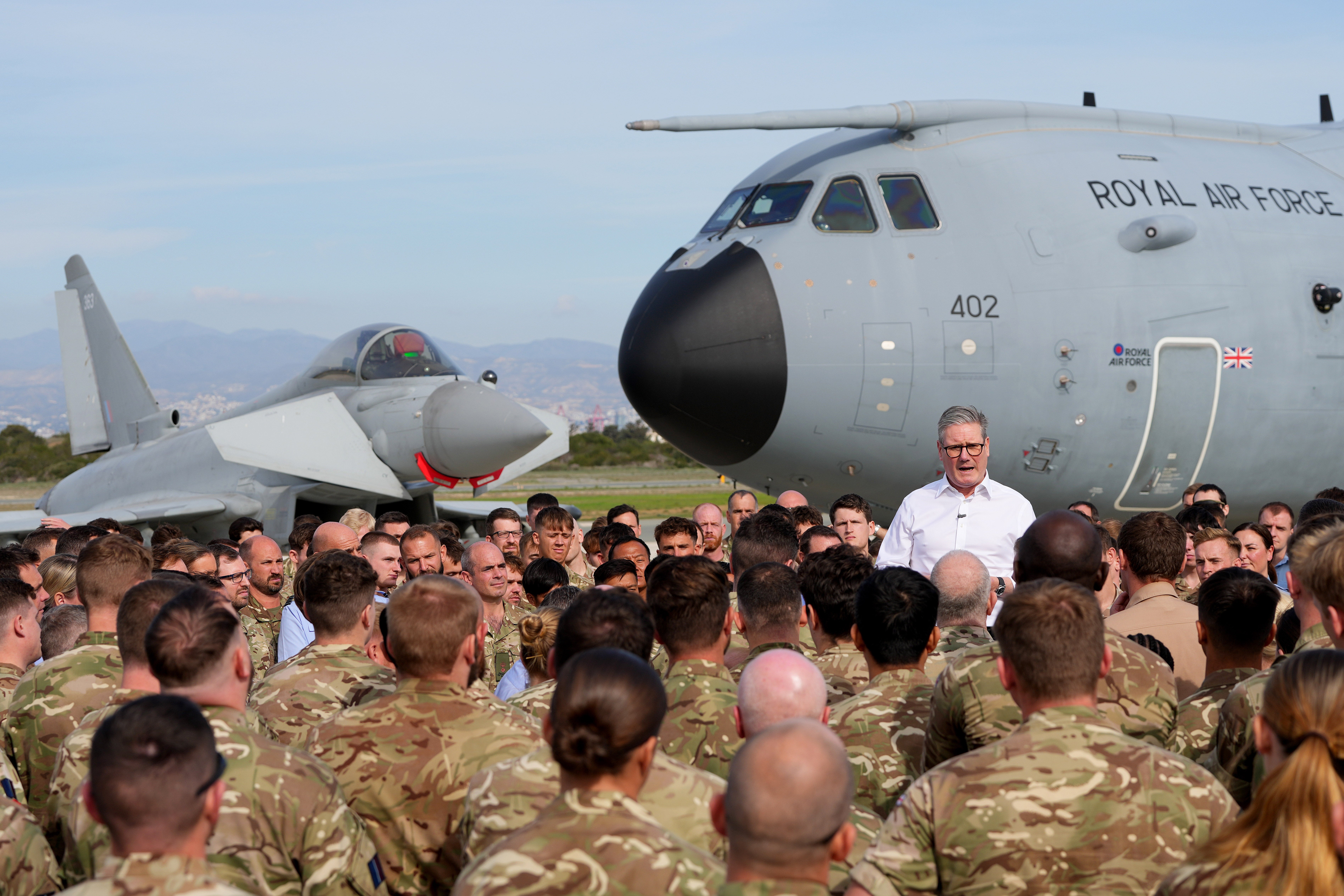
An official briefed on the Nato-US discussions told The New York Times that the plan for Greenland would be modelled after the British arrangement in Cyprus – although the exact dimensions were unclear.
Sources also told The Telegraph the proposals resembled Britain’s agreement with Cyprus. They said the deal under discussion did not involve selling Greenland.
Rare earth mining
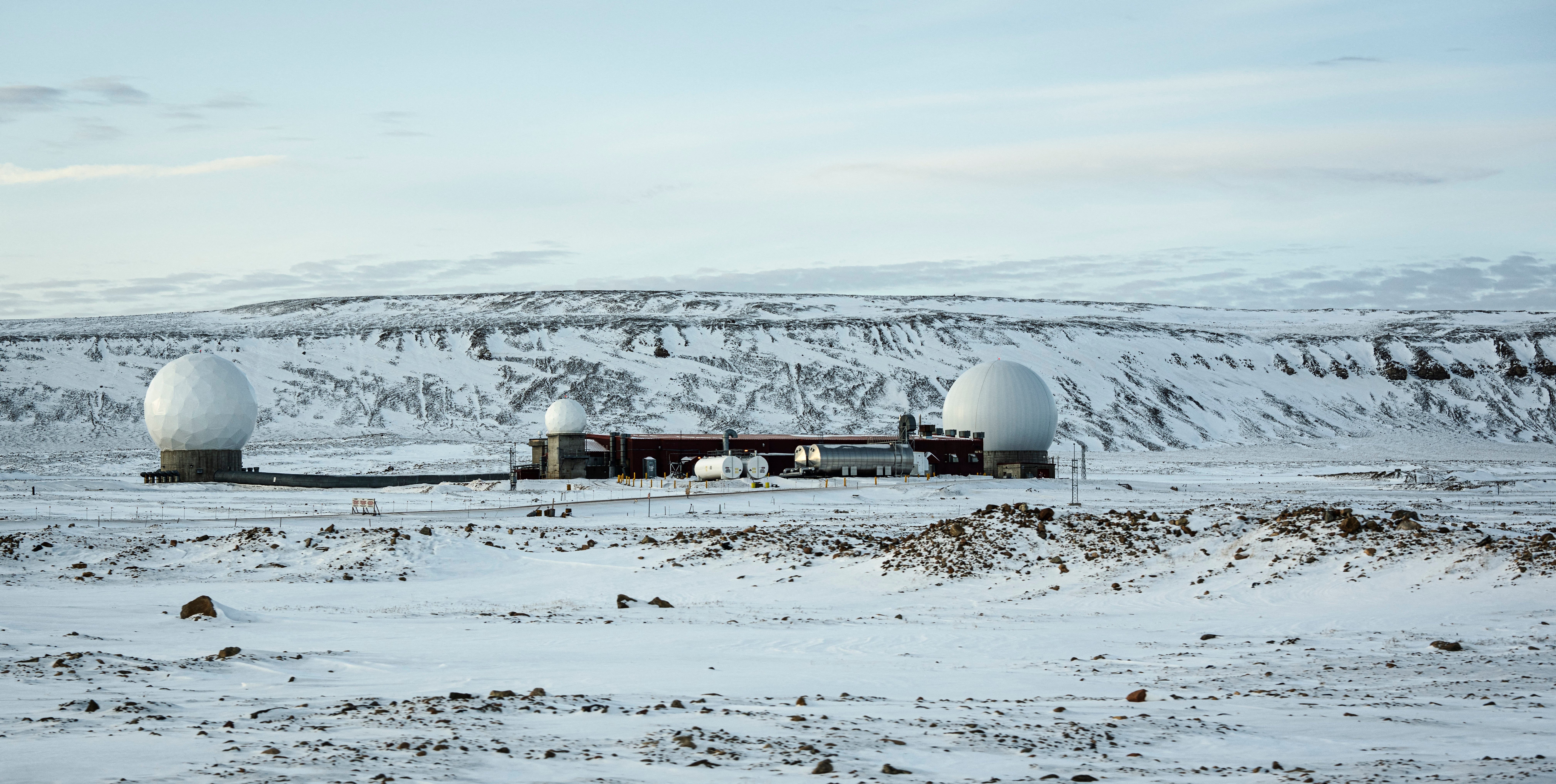
The US military maintains a permanent presence at the Pituffik airbase in northwest Greenland under a 1951 agreement that also allows it to build bases provided it notifies Denmark and Greenland. A new arrangement could allow it to build without planning permission and expand into mineral-rich areas, according to The Telegraph.
“It’s a long-term deal,” Mr Trump told reporters. “It’s the ultimate long-term deal. It puts everybody in a really good position, especially as it pertains to security and to minerals.”
A 2023 survey showed that 25 of 34 minerals deemed “critical raw materials” by the European Commission were found in Greenland. The extraction of oil and gas is banned in Greenland for environmental regions, and investment in the mining sector currently faces challenges.
Graphite, copper, nickel, zinc, gold, diamonds, iron ore, titanium-vanadium, tungsten and uranium are all found in Greenland.
How Greenland has reacted
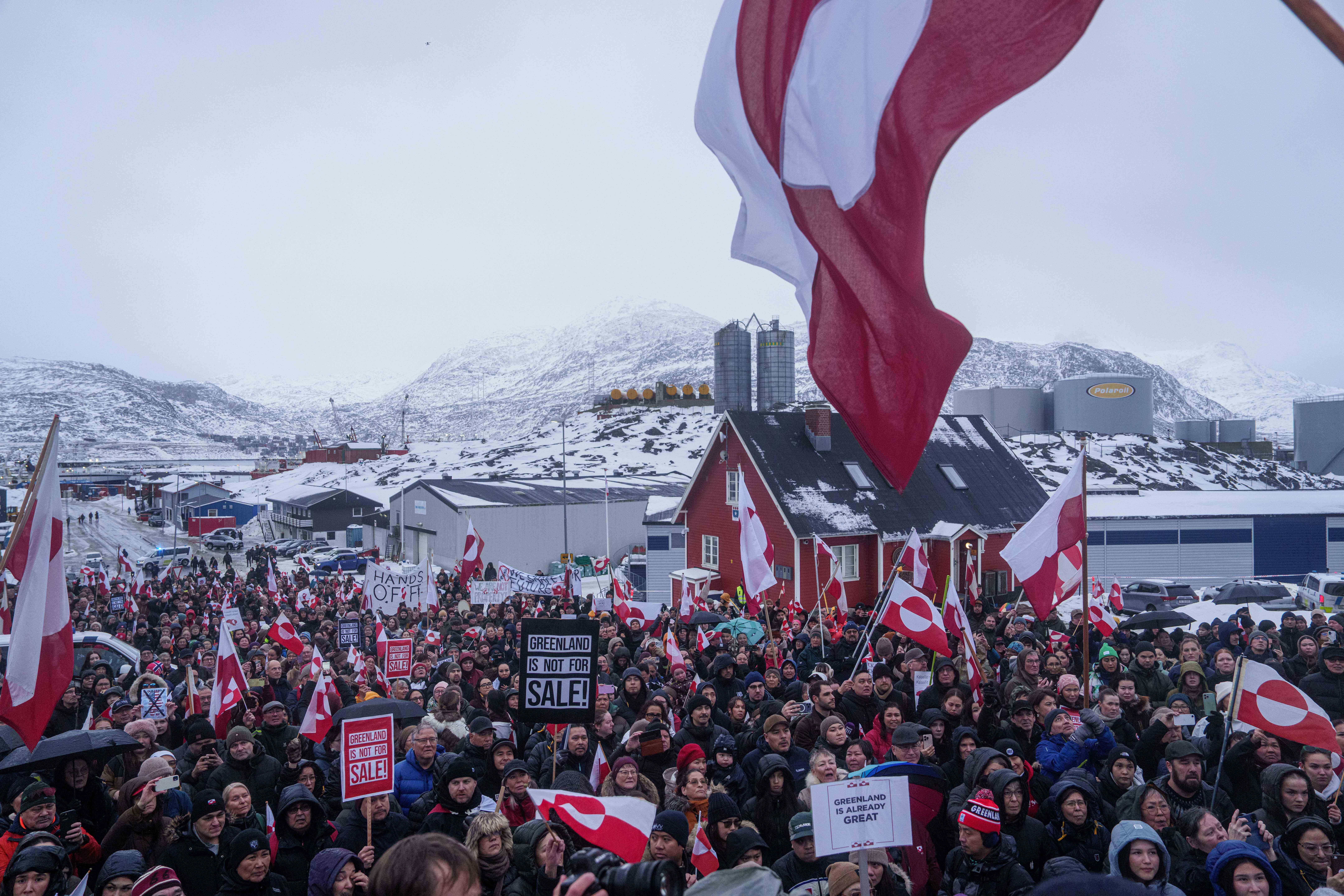
Denmark has said it is open to discussions that do not compromise territorial integrity. But the issue will also need approval within Greenland. The island is organised as a semi-autonomous territory with its own prime minister, who has strongly opposed American threats in recent weeks.
Prime minister Jens-Frederik Nielsen has, notably, not yet commented on Mr Rutte’s talks with Mr Trump.
Aaja Chemnitz Larsen, a Greenlandic member of the Danish parliament, said she feared that Nato was bartering over Greenland’s future without the island’s involvement.
“What we are witnessing these days in statements from Trump is completely insane. Nato has absolutely no mandate to negotiate anything whatsoever without us in Greenland,” she wrote on social media.
“And the fact that Nato should have anything to say about our country and minerals is completely in the hemp.”
Mr Rutte said on Thursday that specific negotiations would involve the US, Denmark and Greenland. It would be up to Nato commanders to work through the details of extra security requirements, which could see Nato allies doing more in the region.
"I have no doubt we can do this quite fast. Certainly I would hope for 2026, I hope even early in 2026," he said.
What is the deal missing?
The framework remains informal and lacks specifics. If the main challenges are, as Nato says, combatting Russian and Chinese investment and interference, the US already has the right to build bases and Denmark has countered Chinese investment in the past.
With Nato allies already moving to the region to boost security, it is not clear what a new deal would add.
The development of the island’s mining sector is also wrapped up in red tape and opposition from indigenous people, and it is unclear how Greenland would be compensated if the US tries to extract rare minerals. The extraction of oil and gas is banned for environmental reasons.
A deal modelled on the British bases in Cyprus will need further clarity, as the arrangement has evolved greatly since 1960. Even if land becomes de facto American, negotiators will have to agree on remits for development and independence.
Crucially, the Nato alliance has been shaken by the repeated threats from the US, and allies will have to rebuild relationships to work together on security.
Ukraine war latest: Putin meets Trump envoys ahead of first trilateral peace talks
Trump disinvites Canada from his ‘Board of Peace’ after Carney’s blistering speech
Trump-Greenland latest: Relations with US suffered a ‘big blow’, EU says
Trump’s swipe at Nato soldiers in Afghanistan angers veterans
Zelensky turns on Europe over Russia and Trump: you’re all talk and no action
French navy intercepts Russian ‘shadow fleet’ tanker in the Mediterranean