Two days after Boris Johnson placed the UK on lockdown, debate has been raging about what is considered “essential” work.
The Government says instructions to the public to stay at home and is “crystal clear,” but many employees have raised concerns that they are still being asked to go into work.
On Tuesday Newcastle United owner Mike Ashley prompted fury by saying he would keep Sports Direct stores open as they were essential for keeping the nation fit, but reversed the decision after a public backlash.
Now the Government is under pressure to halt non-essential construction work amid fears social distancing is impossible on building sites.
So what is considered essential work? Here’s what the Government says:
Health and social care
The Government website says: “This includes but is not limited to doctors, nurses, midwives, paramedics, social workers, care workers, and other frontline health and social care staff including volunteers; the support and specialist staff required to maintain the UK’s health and social care sector; those working as part of the health and social care supply chain, including producers and distributors of medicines and medical and personal protective equipment.”

Education and childcare
This includes childcare roles, teaching and support staff, social workers and specialist education professionals.
Key public services
This includes people who run the justice system, religious staff, and those responsible for the management of the deceased.
This category of workers also includes charities working on the frontline, journalists and broadcasters.
Local and national Government
This includes administrative occupations relating to the current outbreak, and those delivering essential public services such as benefit payments.
Food and necessary goods
This includes food production, sale and delivery.
Other key goods such as hygiene and veterinary medicine production are also considered essential work.

Public safety and national security
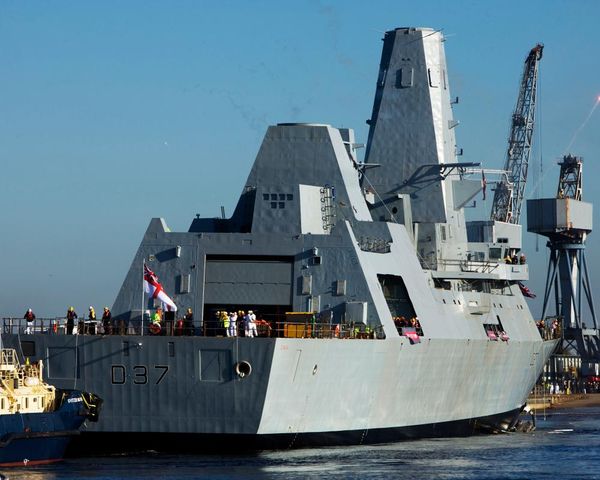
The Government's website outlines: “This includes police and support staff, Ministry of Defence civilians, contractor and armed forces personnel (those critical to the delivery of key defence and national security outputs and essential to the response to the COVID-19 pandemic), fire and rescue service employees (including support staff), National Crime Agency staff, those maintaining border security, prison and probation staff and other national security roles, including those overseas.”
Transport
Workers across the UK’s air, water road and rail routes are considered essential workers during the outbreak.
Utilities, communication and financial services
This umbrella term covers financial staff in banks, as well as workers across oil, gas, electric and water provision.
Postal and delivery providers, waste disposal workers, 999 and 111 telephone operators are also considered key workers.
This category also includes staff in the civil nuclear, chemical and telecommunications sectors.