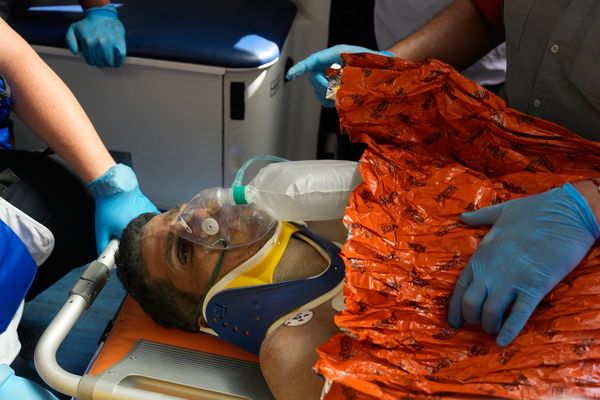
More than 145 people across 17 states have fallen ill in a growing cyclosporiasis outbreak, with 20 hospitalised and no common source yet identified. The CDC has confirmed all infections were acquired within the US, suggesting the source lies somewhere in the domestic food chain. Investigators are now racing to trace the contaminated product before more cases emerge.
The mystery has heightened public anxiety because cyclosporiasis is most commonly linked to fresh produce eaten raw. Unlike many foodborne bacteria, the microscopic parasite cannot always be removed by rinsing, making traceback investigations particularly challenging. The CDC and FDA are examining several illness clusters in an effort to find a shared food source.
The outbreak has drawn widespread attention online after reports described the illness as causing severe or even 'explosive' diarrhoea, with many social media users questioning why investigators have yet to identify the contaminated product. Officials stress there is no evidence of widespread panic, but they acknowledge the true number of infections is likely higher because many mild cases go unreported.
Oh Great, a Parasite That Causes Explosive Diarrhea Is Spreading Right Now | Clusters of cyclosporiasis have been reported in multiple states, and several people have been hospitalized.
by u/FreeHugs23 in HotScienceNews
What Is Cyclosporiasis and How Does It Make People Sick?
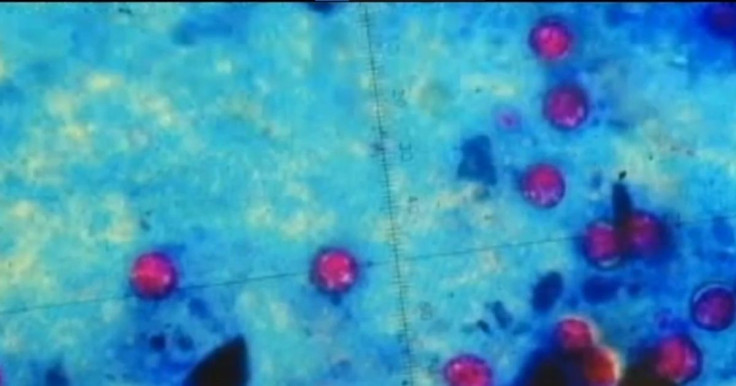
Cyclosporiasis is an intestinal illness caused by the microscopic parasite Cyclospora cayetanensis. People become infected after consuming food or water contaminated with the parasite, most commonly through fresh produce such as leafy greens, herbs or berries.
Once swallowed, the parasite infects the small intestine, where it can trigger prolonged digestive illness. Symptoms usually appear about one week after exposure and frequently include watery diarrhoea, stomach cramps, nausea, bloating, fatigue, loss of appetite and weight loss. In some patients, symptoms disappear only to return days or weeks later if the infection is left untreated.
Unlike many common stomach bugs, cyclosporiasis often lasts for several weeks without appropriate treatment. Doctors typically prescribe the antibiotic combination trimethoprim-sulfamethoxazole, which is considered the standard treatment for confirmed infections.
Why the Source of the Outbreak Remains a Mystery
One of the biggest challenges facing investigators is that people often struggle to remember exactly what they ate in the days before becoming ill. By the time symptoms develop, a week or more may have passed, making it difficult to identify a common food item.
The CDC says all reported patients became ill between early May and early June, with no international travel reported during the two weeks before infection. Investigators from the CDC, FDA and state health departments are examining multiple illness clusters, but no single food product or supplier has yet emerged as the confirmed source.
Previous US outbreaks have eventually been linked to imported fresh produce, including basil, cilantro, bagged salads and berries. However, officials have emphasised there is currently no evidence connecting this year's outbreak to any specific fruit, vegetable or retailer.
Why the Real Toll of the Outbreak Is Likely Higher
Although 145 confirmed cases may appear relatively modest in a country the size of the United States, public health experts say confirmed infections represent only part of the picture. Many people recover without seeking medical attention or are never tested specifically for Cyclospora, meaning the actual number of infections is likely considerably higher.
The outbreak has also revived broader questions about food safety surveillance. Fresh produce is distributed rapidly through nationwide supply chains, meaning contaminated products can reach supermarkets across multiple states before illnesses begin appearing. Once perishable foods have been consumed or discarded, tracing their origin becomes significantly more difficult.
The timing is also notable. Cyclosporiasis cases typically increase during the warmer months between May and August, when consumption of fresh fruit and vegetables is higher and conditions favour transmission. Health officials therefore expect surveillance efforts to remain particularly active throughout the summer.
🦠 Explosive diarrhea outbreak in the U.S.? It may not be a virus — but a parasite.
— MedChemExpress (@MedChemExpress) July 1, 2026
The @CDCgov reports 145 confirmed cases of Cyclospora cayetanensis infection (May–mid June), including 20 hospitalizations. Most cases are in New York, and notably, none had recent travel… pic.twitter.com/Yr4NwlSosE
What to Do If You Think You Have Cyclosporiasis
Health authorities are encouraging consumers not to stop eating fresh produce but to remain alert for symptoms that develop within a week of eating raw fruits or vegetables. Anyone experiencing persistent diarrhoea lasting several days, particularly alongside severe stomach cramps or dehydration, should seek medical advice, as laboratory testing is needed to confirm the infection.
Officials continue to recommend careful food handling, including washing produce, practising good hand hygiene and following any future food recalls should investigators identify the contaminated source. Until then, the outbreak serves as a reminder that even a microscopic parasite can expose vulnerabilities in modern food distribution systems, leaving investigators racing to solve the mystery before additional illnesses are reported.