The United States Supreme Court has ruled against Colorado's ban on conversion therapy for LGBTQ youths, in a decision that could have national implications. The court found that the state law violates the free speech rights of a conservative Christian therapist, marking an 8–1 decision in favour of Kaley Chiles. The ruling is expected to affect more than 20 other states with similar legislation.
Justice Neil Gorsuch, writing for the majority, emphasised that 'the First Amendment stands as a shield against any effort to enforce orthodoxy in thought or speech in this country.' He added that Colorado's law 'does not just ban physical interventions. It also censors speech based on viewpoint.'
The Supreme Court sided with Chiles' argument that the law regulates speech rather than conduct. This distinction sets the ruling apart from other healthcare regulations, which typically focus on medical actions rather than spoken guidance.
Details of the Supreme Court Decision
Issued on the global Transgender Day of Visibility, the court's ruling highlights the tension between free speech and medical regulation. Liberal Justice Ketanji Brown Jackson was the sole dissenter, reading a summary of her opinion in court. She warned that the ruling could lead to 'unprofessional and unsafe medical care' and suggested that regulations requiring informed consent could be undermined.
Justice Elena Kagan, in a concurring opinion, noted that while the ruling protects free speech, similar laws that ban therapy affirming a teen's gender identity could face comparable constitutional challenges.
Understanding Conversion Therapy
Conversion therapy is a controversial practice aimed at changing a person's sexual orientation or gender identity, often targeting minors. Licensed therapists use counselling methods to encourage gay or lesbian youths to identify as heterosexual and transgender children to identify with the gender assigned at birth.
The practice is widely discredited by major medical organisations, including the American Medical Association, the American Psychological Association, and the American Academy of Pediatrics. Research has shown that conversion therapy is ineffective and can increase risks of depression, anxiety, and suicide. Despite this, the practice remains supported by some religious conservative communities.
Colorado had prohibited licensed therapists from providing conversion therapy to minors but allowed families and religious entities to continue the practice.
Reactions to the Ruling
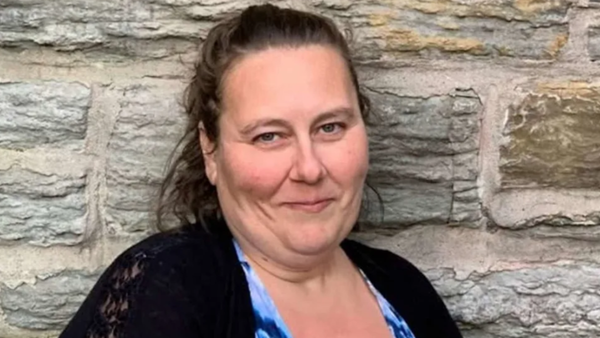
Kaley Chiles, Christian talk therapist in Colorado, described the decision as a victory for free speech and family choice. 'Because of today's ruling, families will have more options and states will not be able to shut those options down,' she told reporters.
Colorado Attorney General Phil Weiser, who defended the law, called the ruling a 'setback for Colorado's efforts to protect children and families from harmful and discredited mental health practices.'
Polly Crozier, director of family advocacy at GLBTQ Legal Advocates & Defenders (GLAD) Law, a legal group representing LGBTQ people, stressed that survivors of conversion therapy could still pursue legal action through medical malpractice claims. She noted that 'the stories of conversion therapy survivors are filled with heartbreaking examples of shattered family connections and separation from faith communities that once sustained them.'
National Context and Implications
The ruling adds to a complex Supreme Court record on LGBTQ rights and free speech. The court legalised same-sex marriage in 2015 and later confirmed that employment discrimination protections extend to gay and transgender people. At the same time, the current 6–3 conservative majority has repeatedly sided with free speech claims when they intersect with religious beliefs.
Previous cases include a 2018 decision upholding free speech challenges to California laws requiring anti-abortion clinics to provide information about abortion services, and a recent ruling supporting opt-out rights for families in LGBTQ-themed school programs.
The Supreme Court decision now returns to lower courts for further proceedings, and it is expected to influence future legislation and legal challenges concerning conversion therapy and related medical speech regulations.