
This common golf term is one you will continually hear on televised coverage or in conversations on the course, but if you are new to the game, you might be wondering... what is a birdie in golf?
Rolling in a birdie putt is not only beneficial for your scoring, but it also gives you a psychological boost and the opportunity to brag a little in the clubhouse post-round. It can be an elusive achievement for amateur golfers, but it's the ultimate goal every time we tee the ball up.
In this article, we explain everything you need to know about this key piece of golfing vocabulary...
What Is A Birdie In Golf?
A birdie is the result of taking one shot less than the par for a particular hole. For example, if you played a par-4 in three shots, you would score a birdie. This is also the case if you play a par-5 in four shots.
The term derived from American slang, with the term 'bird' meaning something wonderful. 'Birdie' started being used more widely in the 1910s, and it was allegedly coined at the Atlantic Country Club, where a plaque commemorates the occasion.
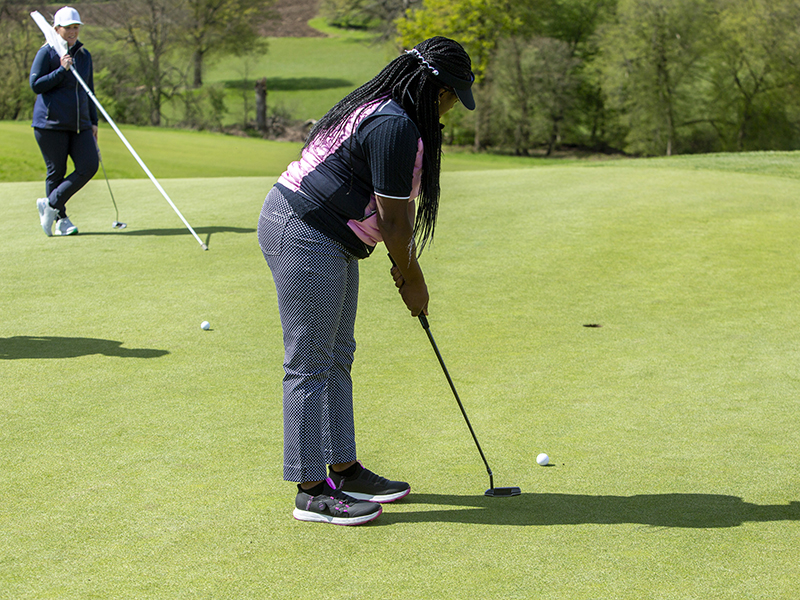
So, how many birdies do golfers typically make?
The expression itself is quite common in golf, but in actual fact, birdies are quite difficult to come by. The best players in the world average between three and four per round, while a 10-handicap amateur golfer makes less than one per round on average.
Statistically, the easiest holes to make birdies on for both professionals and amateurs are par-5's. This is due to having a bit more buffer with the par, while also allowing bigger hitters to get closer to the green with their second shot.
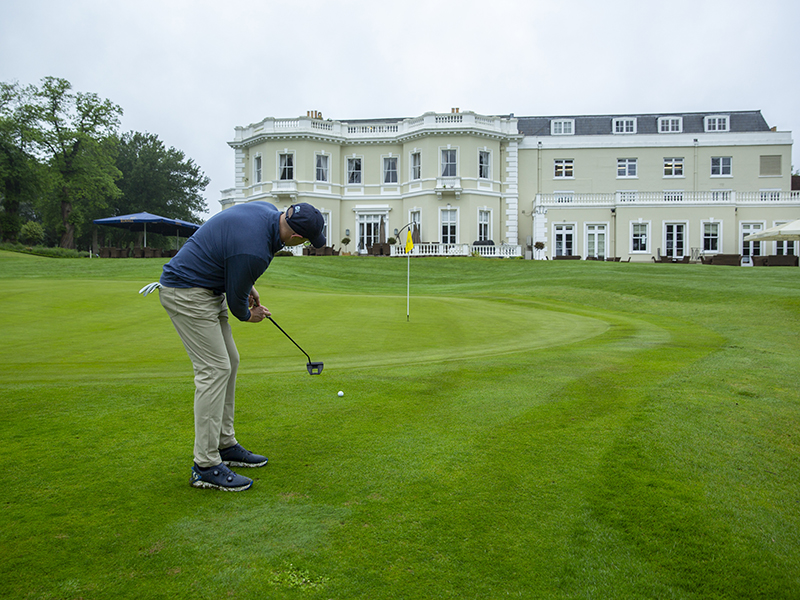
Is Par Better Than A Birdie?
A par is one shot worse than a birdie, but is still a great achievement for amateur golfers. While birdie would be an ideal score on any hole, it may be more realistic for new golfers or higher-handicap players to aim for par, as this will help you to avoid big scores like bogeys and double-bogeys creeping onto your card.