
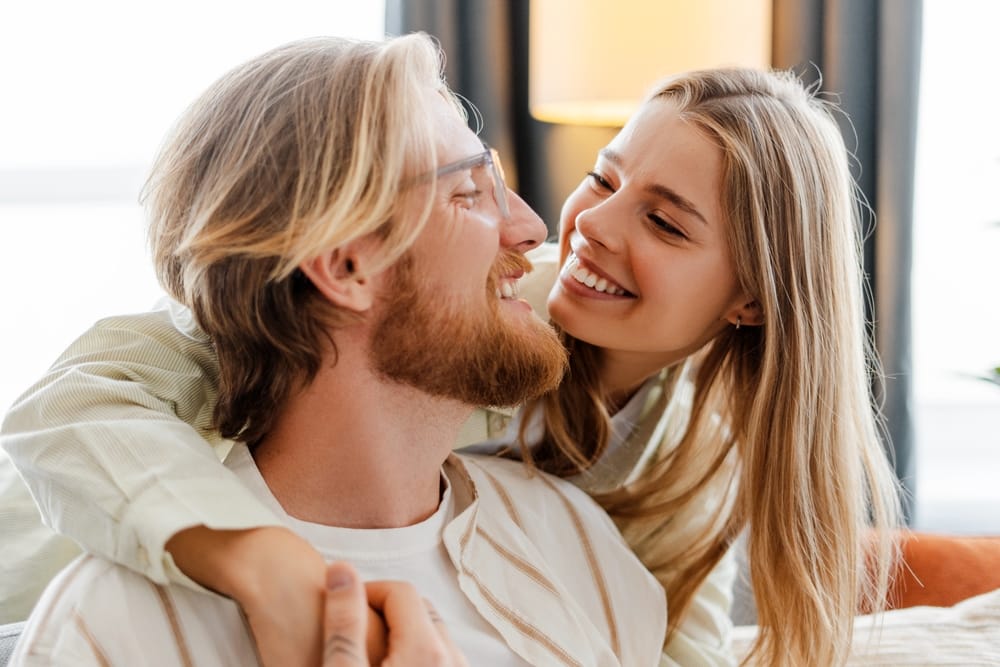
For generations, happiness in marriage was often linked to family life and raising children together. But new research and shifting cultural attitudes are challenging that assumption. More couples are choosing not to have kids—and many report higher levels of satisfaction, communication, and freedom as a result. It raises a fascinating question: what if the happiest couples are the ones who never had kids? Exploring this idea sheds light on how love, purpose, and fulfillment are evolving in modern relationships.
Freedom From Financial Stress
One of the clearest reasons the happiest couples are the ones who never had kids lies in financial freedom. Raising children today is expensive, with costs reaching hundreds of thousands of dollars before college even begins. Without that burden, child-free couples can focus on financial goals that improve their quality of life. They often travel more, invest in property, or retire earlier—all of which can reduce stress and strengthen their bond. Money may not buy happiness, but removing financial strain gives couples the breathing room to enjoy life together.
More Time to Nurture the Relationship
Time is one of the most valuable resources in any partnership, and it’s often in short supply for parents. Couples without children can devote that time to maintaining emotional intimacy, communication, and shared hobbies. This continuous focus on one another helps prevent the feelings of neglect that sometimes occur when parenting responsibilities take center stage. Date nights, weekend getaways, and spontaneous adventures stay part of the relationship, rather than fading into memory. The result is a bond that remains as strong—and often stronger—than it was in the early years.
Emotional Stability Without Burnout
Parenthood can bring deep love, but it also brings exhaustion. Between sleepless nights, work pressures, and endless to-do lists, parents often struggle to find balance. The happiest couples are the ones who have never had kids because they can prioritize emotional well-being without constant fatigue or overwhelm. Without daily parenting stress, they have more patience, energy, and mental space to nurture positivity. This balance translates into fewer conflicts and a more peaceful home environment.
Shared Growth and Individual Freedom
In relationships without children, couples can grow both together and individually. They support each other’s goals without the logistical or emotional constraints that come with parenting. This balance of shared life and personal development often creates long-term satisfaction and mutual respect. The happiest couples are the ones who have never had kids because they understand how to evolve as partners without losing their individuality. That combination of unity and independence strengthens love rather than limiting it.
Fewer Role-Based Conflicts
Raising children can sometimes reinforce traditional roles, even in modern households. Disagreements about chores, discipline, or parenting styles often create tension between partners. When couples skip those challenges, they have more equality and flexibility in defining their lives together. The happiest couples are the ones who never had kids, partly because they maintain partnerships built on choice rather than obligation. They collaborate on decisions that reflect mutual values rather than parental roles.
Deeper Friendships and Social Connections
Without the time and energy demands of raising a family, child-free couples often maintain vibrant social lives. They have the freedom to stay connected with friends, pursue community activities, and build networks outside their marriage. These relationships provide emotional support and variety that enhance well-being. For many, a strong community of friends functions as an extended family. The happiest couples are the ones who never had kids because they create meaningful social circles that enrich their daily lives.
Greater Focus on Health and Lifestyle
Health and happiness often go hand in hand, and couples without children tend to invest more in both. With fewer time constraints, they can prioritize exercise, balanced nutrition, and preventive healthcare. They also experience fewer lifestyle-related stressors that can impact physical well-being. This emphasis on long-term health helps sustain energy and positivity as they age together. By prioritizing self-care, the happiest couples are the ones who never had kids because they can fully enjoy life’s later stages.
The Power of Choice and Contentment
Perhaps the biggest reason the happiest couples are the ones who never had kids is simple: they made a conscious choice. Their happiness isn’t about rejecting parenthood—it’s about embracing the life that aligns with their values. They don’t live with “what ifs” or social pressure to conform. Instead, they focus on gratitude for the freedom, time, and love they share. Contentment rooted in choice often leads to the deepest kind of happiness—one built on self-awareness and mutual respect.
Redefining What Happiness in Marriage Means
If the happiest couples are the ones who never had kids, it’s not because parenthood is wrong—it’s because modern love is more flexible than ever. Every couple now has the freedom to define happiness in their own terms, whether through family, adventure, creativity, or quiet companionship. Marriage is evolving from a set path to a shared vision tailored to individual values. Love thrives when it’s chosen freely, without societal expectations shaping the outcome. The joy of partnership, it turns out, doesn’t depend on children—it depends on connection.
Do you believe couples without children are happier, or do you think parenthood adds a unique kind of fulfillment? Share your thoughts in the comments below!
What to Read Next…
- Why the “No Kids” Choice Still Makes People Uncomfortable in 2025
- 14 Things You Should Always Do to Maintain Your Mental Health
- Are Childless Couples Happier—or Just Hiding Different Problems?
- 9 Ways DINKS Can Help Parents Become Better Role Models
- 12 Emotional Benefits Couples Without Children Experience Later in Life