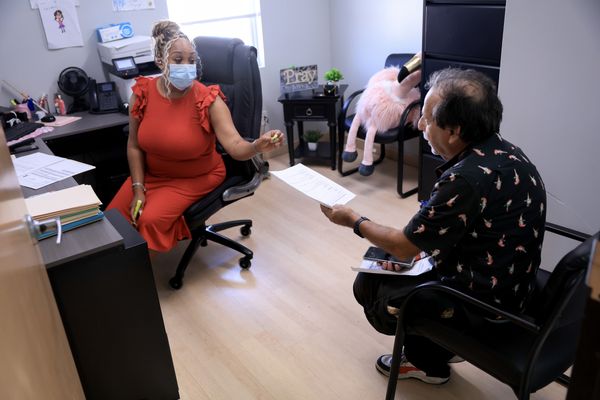

Every Individualized Education Program (IEP) meeting can shape a child’s educational future, but what happens after the meeting matters just as much. The documents parents save often become the strongest evidence of what was discussed, promised, and agreed upon over time. Whether your child is starting special education services or preparing for a transition to middle school or beyond, keeping organized records can prevent confusion and strengthen communication with the school. Knowing which documents deserve a permanent place in your files helps you advocate with confidence while reducing stress if questions arise later.
Why Every IEP Document Matters
The most valuable IEP records parents should keep are the ones that tell the story of a child’s educational progress over multiple school years. A finalized IEP, meeting notes, evaluation reports, progress updates, and written communication with the school all provide important context that may not appear in future meetings. For example, a parent who notices that a reading accommodation disappeared from a new IEP can quickly compare it with previous versions and ask why the change occurred. Education advocates consistently recommend maintaining organized files because schools, teachers, and administrators can change, while your child’s documented history remains essential. These records support informed discussions and stronger advocacy.
Build a Complete Timeline Instead of Saving Only the Latest IEP
Many families mistakenly discard older paperwork once a new IEP is approved, but those historical records often become invaluable. Previous IEPs show how goals, accommodations, and services have evolved and can reveal whether meaningful progress has occurred or if the same challenges continue year after year. Keeping evaluation reports, eligibility determinations, therapy recommendations, and progress reports alongside each IEP creates a complete educational timeline. This documentation can also help when changing school districts, requesting an independent educational evaluation, or consulting an advocate. Having a complete history often leads to better decisions during future meetings.
Save Every Written Communication Connected to the Meeting
The paperwork handed out during an IEP meeting is only part of the record. Emails confirming agreed-upon services, meeting invitations, follow-up summaries, and letters discussing accommodations can clarify misunderstandings if questions arise months later. Imagine a teacher verbally agreeing to provide weekly communication but that commitment never appears in the final IEP; an email documenting the discussion may help resolve the issue quickly. Maintaining these communications in chronological order creates a reliable paper trail that supports productive conversations rather than relying solely on memory. Consistent documentation protects everyone involved.
Don’t Forget Your Own Notes and Supporting Documents
Parents sometimes overlook the value of their personal notes, yet they can become one of the most useful IEP records parents should keep. Notes taken during meetings can capture questions, concerns, and verbal discussions that may not appear in the school’s official summary. It is also helpful to save report cards, work samples, behavior logs, private evaluations, and therapy reports because they provide additional evidence of academic or developmental progress. If you choose to record an IEP meeting, remember that recording rules vary by state, so verify your state’s requirements beforehand. Your own records often fill important gaps between official meetings.
Organizing Records Makes Future Meetings Easier
An organized filing system saves time and reduces stress when preparing for the next annual review. Many parents use a three-ring binder with dividers for IEPs, evaluations, correspondence, progress reports, and meeting notes, while others prefer secure digital folders backed up in cloud storage. Whatever method you choose, making sure every document is dated and storing records in chronological order makes information much easier to locate. A well-organized file allows parents to focus on discussing solutions during meetings instead of searching through stacks of paperwork. Good organization also makes transitions between schools much smoother.
The Records You Save Today Can Protect Tomorrow
Saving the right documents after every IEP meeting is about far more than staying organized. The most important IEP records parents should keep create a clear history of services, goals, evaluations, and communication that supports better educational decisions over time. Families who maintain complete records are often better prepared to ask informed questions, identify changes, and collaborate effectively with school teams. Small organizational habits today can make a significant difference years later.
Which record has been the most valuable in helping your child succeed, or what organization tip would you share with another parent? Leave a comment below and join the conversation.
What to Read Next
How to Tell If a Child’s IEP Goals May Be Too Vague to Measure
What to Know About IEP Details Parents Should Recheck Before the First Day of School
IEP Reporting Rules: What Schools Must Document vs. What They Don’t
The post What IEP Records Should Parents Save After Every Meeting? appeared first on Kids Ain't Cheap.