
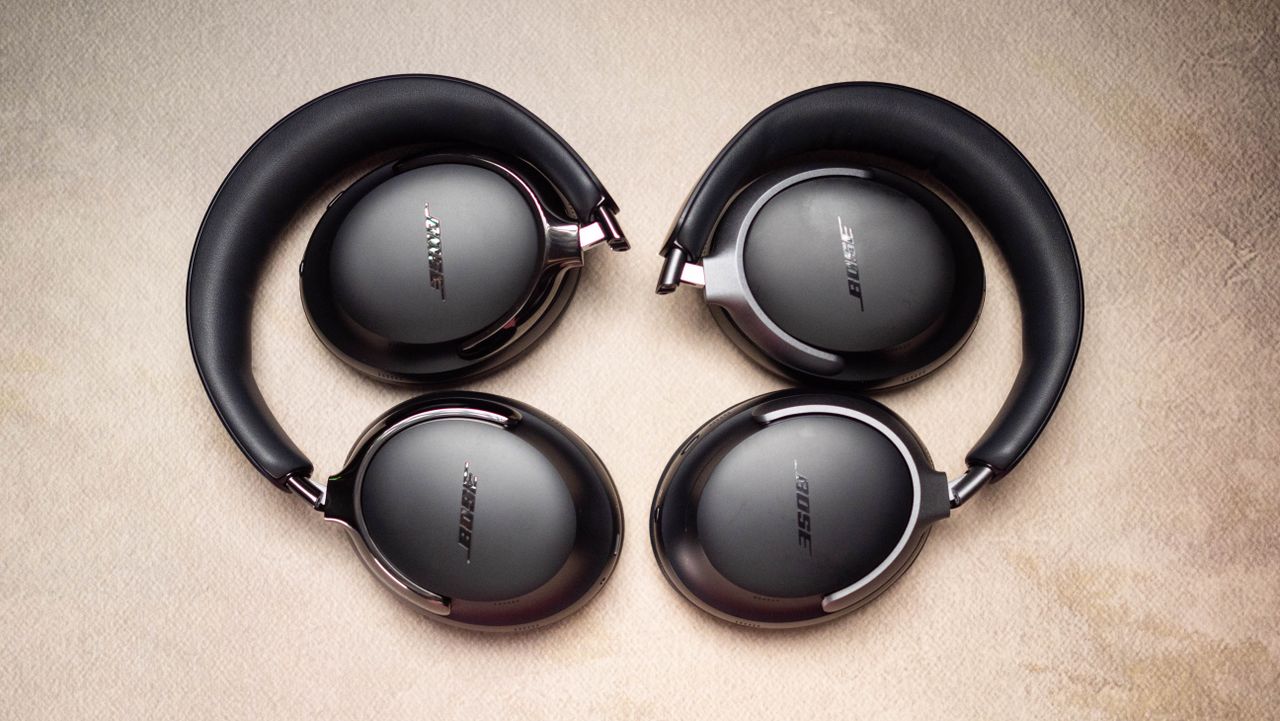
Headphones and earbuds took major steps forward in 2026, with new hardware releases from Apple, Bose, and Sony leading the charge. On the software front, Spotify finally delivered on a years-long promise to make lossless audio available to subscribers. For accessibility, Google built Auracast support right into Android, making the wireless broadcasting standard available on select Google Pixel, Samsung Galaxy, Xiaomi, and POCO phones.
Heading into 2026, there's still plenty of work to do. Headphones and earbuds like the Bose QuietComfort Ultra Gen 2 or the AirPods Pro 3 are nearly perfect, but audio software could use better support for high-resolution Bluetooth codecs. Plus, I have an outside-the-box request for Android phone makers and a big concern about how AI-generated content will affect the music industry.
Here's what I expect to see from the audio industry in 2026 (and everything I hope happens).
Audio brands... give us aptX Adaptive + Lossless all the things
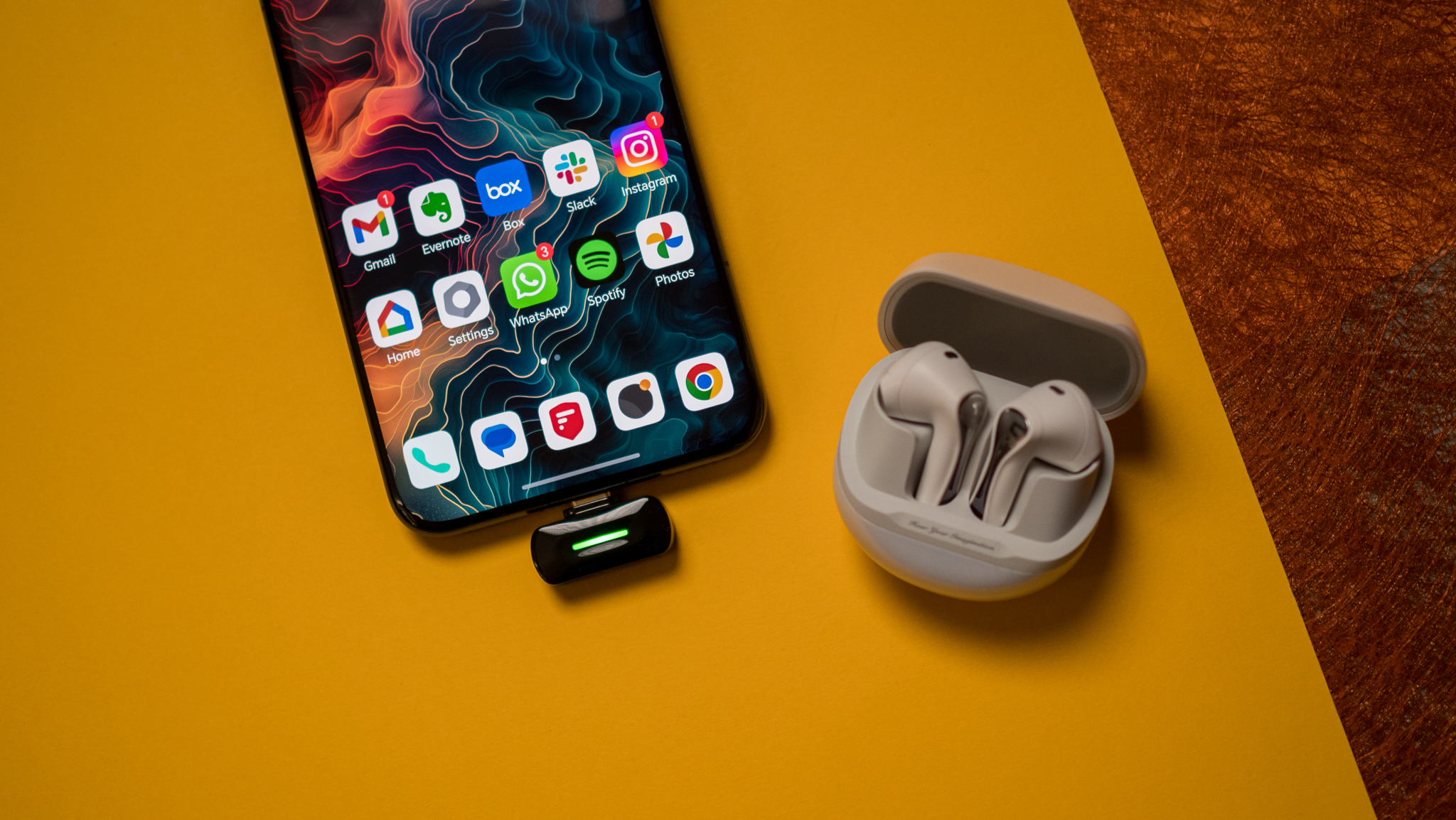
While I love seeing music streaming services like Apple Music, Tidal, and now Spotify offer high-fidelity lossless audio to subscribers, they won't matter much without the right hardware — and the right software. The fact is, most of us use wireless headphones and earbuds, and the overwhelming majority of them use lossy Bluetooth audio codecs that negate the benefits of lossless streaming.
The frustrating part of this situation is that we've already solved the problem. Qualcomm's aptX audio codecs have enabled CD-quality lossless wireless audio transmission with aptX Adaptive and aptX Lossless. Unfortunately, many top Android brands simply refuse to make these codecs available on their devices. That's true even on phones with the hardware required to use aptX Adaptive or aptX Lossless.
In the U.S., the only major phones with aptX Lossless come from Asus, Sony, and Motorola, and the word "major" is generous for at least two of those brands. International phones from Xiaomi and others are more forgiving on the global market, but aptX Adaptive and aptX Lossless are still too rare on Android phones, wireless headphones, and earbuds.
In 2026, I'm hoping to see more headphones, earbuds, and phones leverage Qualcomm's complete Snapdragon Sound platform to make wireless lossless audio mainstream. While small dongles can bring aptX Lossless to any phone, Android users deserve a proper built-in solution.
Make Bluetooth LE Audio and Auracast matter
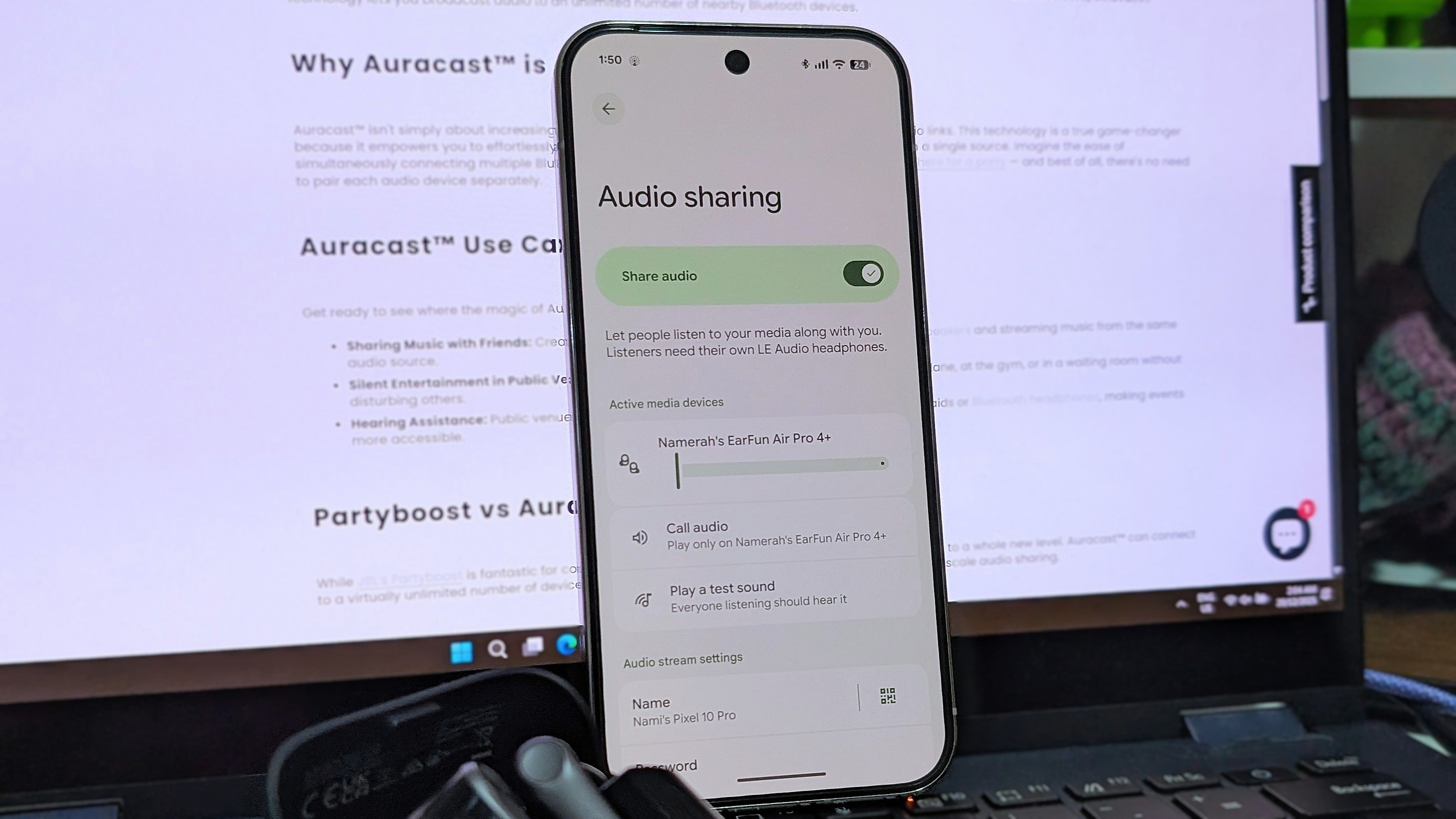
Similar to the point about aptX Lossless, I hope Bluetooth LE Audio and Auracast become commonplace in 2026. These standards are groundbreaking and have significant potential, but they need to be widely implemented for users to benefit from them.
Specifically, LE Audio has the potential to deliver wireless audio signals more efficiently, preserving battery life. Auracast is an incredible accessibility tool that can broadcast an audio source to many receivers, like Bluetooth LE Audio headphones or earbuds.
The idea that Auracast is only for people who need hearing assistance is a misconception. There are so many clever uses for Auracast, and we've started to see them pop up in 2025. For example, Victrola debuted a Bluetooth turntable with both aptX Adaptive and Auracast support. That means you can throw a silent disco party with everyone in attendance streaming music from a record player through their own wireless headphones.
These are the kinds of exciting ways Auracast can be implemented to deliver next-generation audio experiences. And of course, I want to see public infrastructure widely support Auracast so that important announcements are accessible to all. To do that, we need to get the government, companies, and users all on board in 2026.
Higher-quality open earbuds and smart glasses speakers
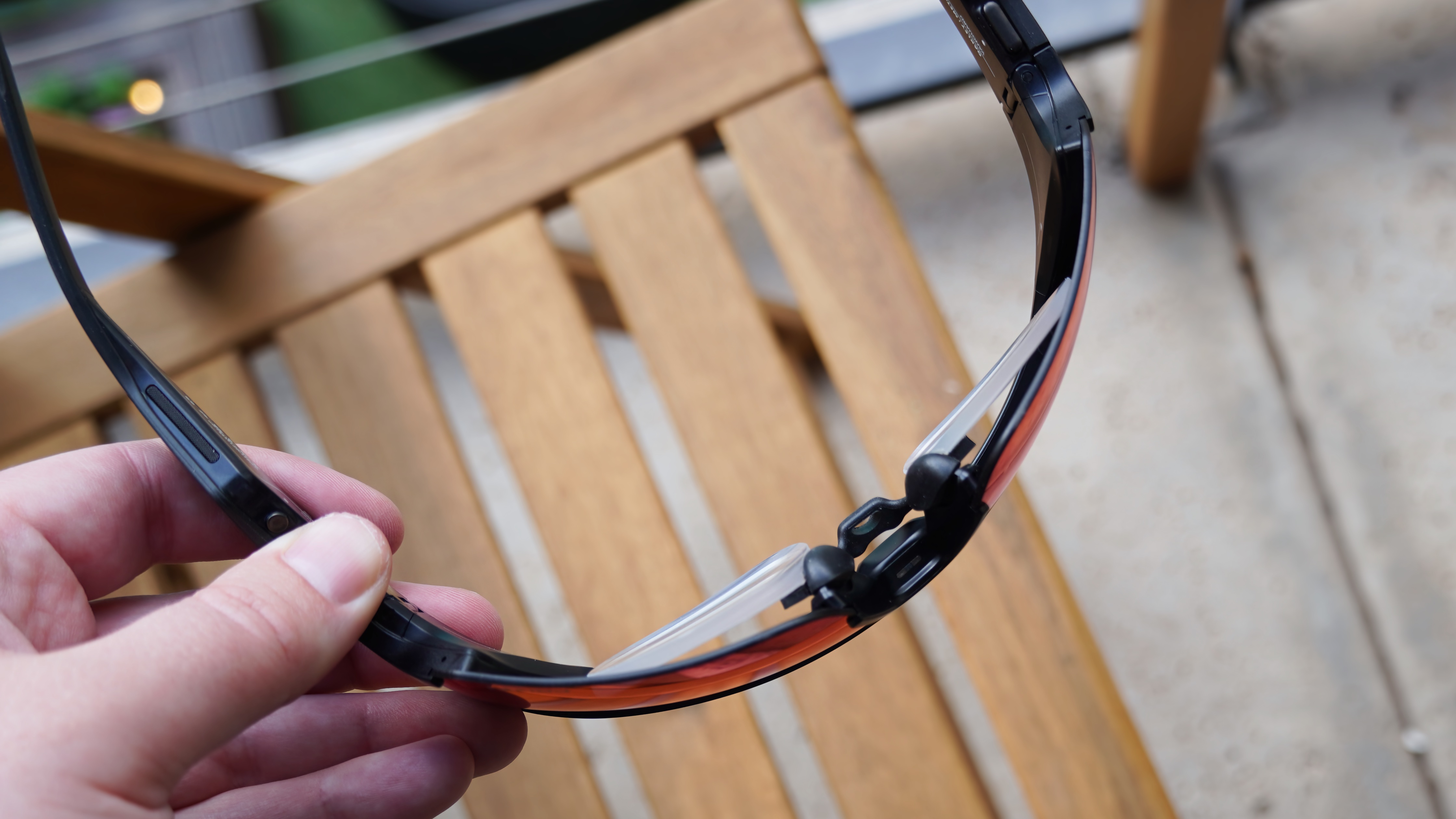
I thought open earbuds and speakers were a gimmick until I tried the Moto Buds Loop open earbuds and Oakley Meta Vanguard smart glasses in 2025. These audio products prove that it's possible to hear rich, high-quality audio without having something directly inside or covering your ear. In 2026, I'm hungry for more.
Open earbuds have little room for improvement, with the Moto Buds Loop (sound by Bose) and the Bose Ultra Open earbuds delivering impressive sound. However, smart glasses could deliver better sound, and Oakley Meta Vanguard is proof of that. Vanguard has larger, higher-powered open-air speakers that are six decibels louder than other Meta smart glasses.
Meta and other smart glasses brands should bring these larger speakers to more styles — even if it means reworking frame designs. After listening to music with Oakley Meta Vanguard, I can assure you it's worth it.
More USB-C ports on Android phones
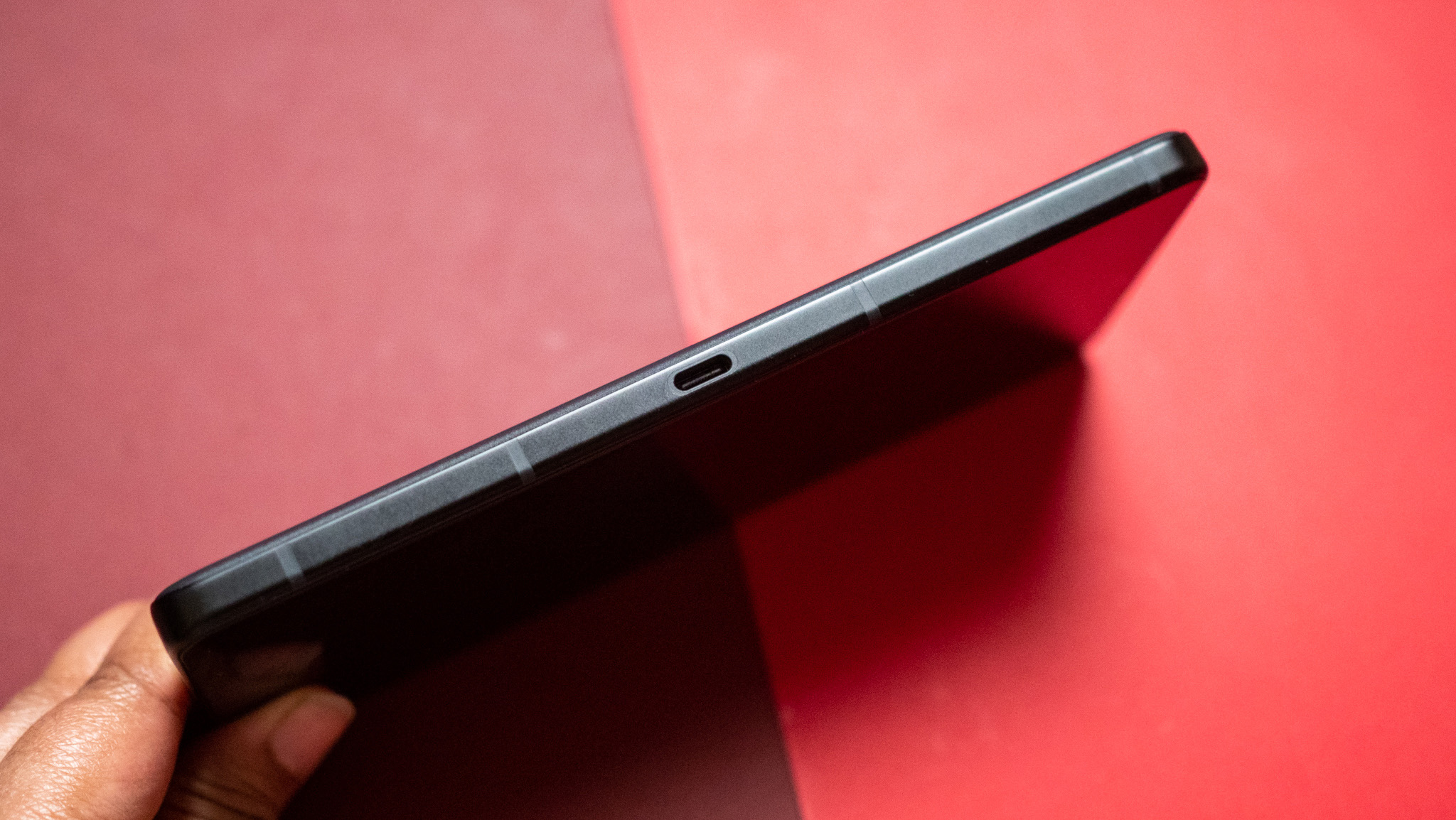
Phones are officially music players now, and lossless music streaming is now included with the most popular subscription services. Now, the hardware on flagship Android phones needs to change to accommodate lossless streaming. That leads us to my oddball feature request for 2026: phones with multiple USB-C ports.
This actually isn't as crazy a suggestion as it might seem, because a few phones already have multiple USB-C ports. Specifically, the Asus ROG Phone 9 and 9 Pro both offer two USB-C ports. I've made my peace with losing the 3.5mm headphone jack, but it's time that phones regain that wired versatility — and then some — by adding a secondary USB-C port.
For audiophiles, an extra USB-C port enables connection with wired headphones, USB digital-to-analog converters, and other streaming accessories while leaving a port available for charging. That's crucial, because lossless downloading and streaming consume a lot of battery, and throwing a USB DAC into the mix uses up even more power. Beyond music streaming, an extra USB-C port would make it easier to use accessories like portable SSDs or mobile game controllers while keeping a connector free for charging.
Again, it sounds wild, but if you asked me whether I'd rather have a siloed S-Pen on the Samsung Galaxy S26 Ultra or an extra USB-C port, I know which one I'm picking.
Unfortunately, we'll have to keep dodging AI-generated songs
This last one is a prediction, not a wish: it's going to get harder to discern AI-generated artists from real musicians in 2026. If you've been paying attention, this is already happening in 2025.
Over the summer, a band called Velvet Sundown appeared on Spotify and gained millions of listeners — except it wasn't a band at all. The artist's popular songs were generated with artificial intelligence, or as the band put it, were created as "a synthetic music project guided by human creative direction."
AI-generated songs are an easy way for people to "earn" coveted streaming royalties with little effort, and they're only going to get more prevalent over time. With a combination of AI-generated songs, images, and potentially even deepfake music videos, it'll become more difficult to be sure your new favorite artist is a real person or band. If you care about supporting real artists, watch out for AI-generated content that goes viral or appears in your suggestions in 2026.
If there's a theme in my 2026 wishlist for the audio industry, it's that I want brands to make the most of emerging technologies. Bluetooth LE Audio, Auracast, and aptX Adaptive are all neat, but they need to be widely available at the consumer level to make a real difference. And music fans, let's come together in 2026 and avoid listening to the AI-generated content that's bound to keep popping up.






.png?w=600)