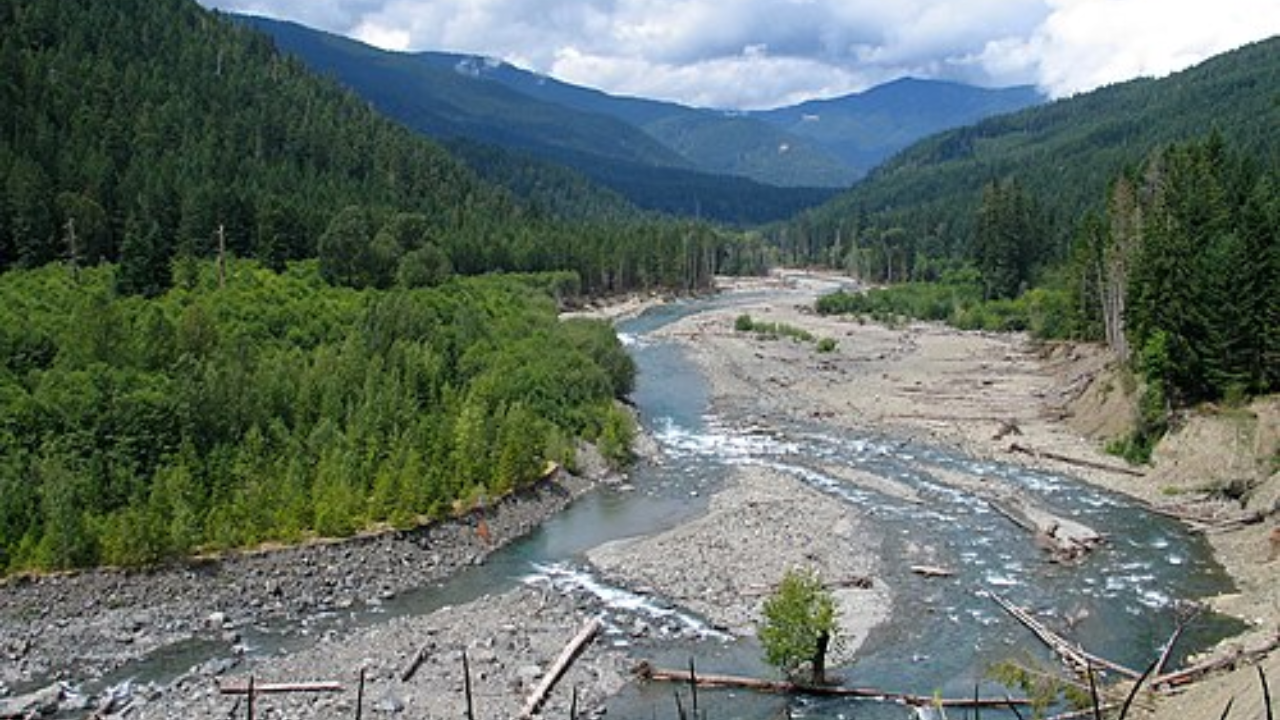
In a single province alone, there is ongoing unprecedented work being done in the environmental sector where engineers and scientists are literally moving rivers in order to preserve the vulnerable lakes, fish and the ecosystem. Though the thought may be perceived as extreme measures, it cannot be doubted that they are necessary at this point, considering the situation that has arisen due to climate change, shortage of water and man’s interference. It is not an easy task, but if left unchecked, it will cause even more damage. These bold interventions highlight just how far humanity must now go to repair the balance it has long disrupted.
River diversion projects and ecosystem restoration
Although river diversion is an idea that is not a new idea, using it for ecological restoration purposes seems to be getting popular. In layman's terms, river diversion means moving water from one place to another. It may be used for several purposes, including the management of water or the restoration of certain places.
One of the best examples, as recorded by the International Institute of Sustainable Development is the diversion project conducted in the Canadian Experimental Lakes Area. In this “first-of-a-kind” project, scientists diverted water flow from the area, thus reducing the water inflow by about 80%. It helped them observe how the ecosystem reacts to the reduction in water.
According to hydrologist Christopher Spence, conducting such experiments is uncommon since “we don’t do experimental manipulations.”
These examples illustrate the power that water flow alteration can have, as it could change the very structure of the ecosystems.
Protecting lakes, fish, and fragile ecosystems
Ultimately, the main purpose of river relocation projects lies in protecting those ecosystems that require a constant influx of water in order to keep certain environmental parameters at acceptable levels and, therefore, ensure the survival of fish living there. For example, lakes need continuous water flow to support constant levels of temperature, oxygen content, and nutrients. It has been proven through various studies that altering water influx can have a great effect on ecosystem life.
One such case is the experiment carried out on Lake 626, which showed that decreased water influx can cause warmer layers of water to become more prevalent, leading to a decrease in the amount of space available for cold-water species, including lake trout. As a result, fish had no choice but to relocate from their usual areas.
It has been reported in numerous studies that massive river relocation projects can bring both good and bad effects, affecting water ecosystems. According to ‘River Channel Relocation: Problems and Prospects’, many of the free-flowing river stretches can be affected by such changes.
The environmental cost and new era of water management
In spite of all the possible positive sides of this type of project, there exist numerous problems related to the environment. Diversion of water may cause problems for other regions, affect sediment flow, and negatively influence fisheries.
For instance, due to the past diversions, numerous adverse effects have been experienced by nature, including the destruction of salmon fisheries in Canada’s Bridge
River as a result of the water flowing in a different direction.
On the other hand, modern attempts to change the course of water are reflected in such projects as China’s South-North Water Transfer, which is aimed at solving issues with chronic water shortage and stimulating development in this region. Nevertheless, it only proves the extent of interventions in the work of natural processes in order to ensure human progress.
The problem of diverting rivers is not just about technical issues; it also concerns moral and environmental aspects of the process. On the one hand, the current state of nature forces humanity to intervene actively. On the other hand, it raises questions concerning the possibility of saving one ecosystem without harming another one.