HOUSE prices, like wages, tend to increase over time.
But since the mid 1990s, property prices have easily outstripped any growth in earnings by the bulk of the population who have to work for a living.
The same general trend exists across the Western world, but prices have risen so far in Australia that we are regularly held out as having some of the world's most expensive real estate.
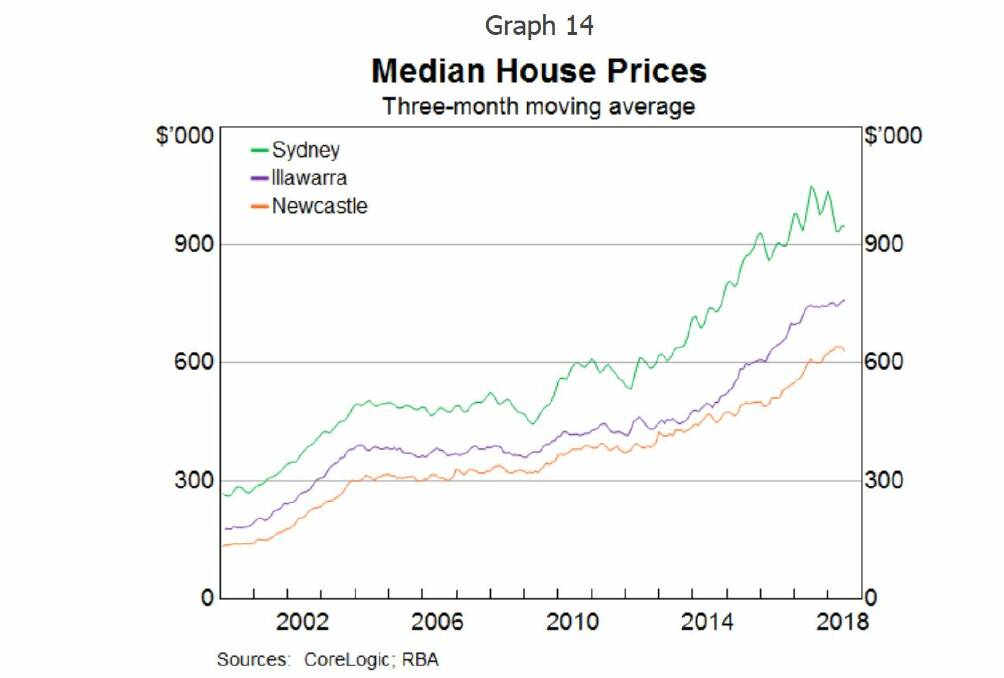
To illustrate the point, a Reserve Bank of Australia (RBA) graph incorporating data from property analysts CoreLogic shows the median price of a Newcastle house rising from less than $150,000 in 2000 to $400,000 in 2010, to more than $600,000 in 2018: an increase of 400 per cent in 18 years.
PROPERTY PRICES OVER TIME:
-
g
- September 2010: PRD says Newcastle median $365,000
- January 2014: Singleton lags on mining downturn but coast hits double-digit growth in some suburbs
-
April 2015: Newcastle median $466,000, average selling time 33 days
- June 2016: Lake hits $500,000 median, edging past Newcastle
- October 2018: First fall for Newcastle house prices in seven years
- Ocatober 2019: Newcastle and Lake median $543,000 as rates fall to record lows
-
December 2020: Newcastle median hits $600,000 as agents fight for listings
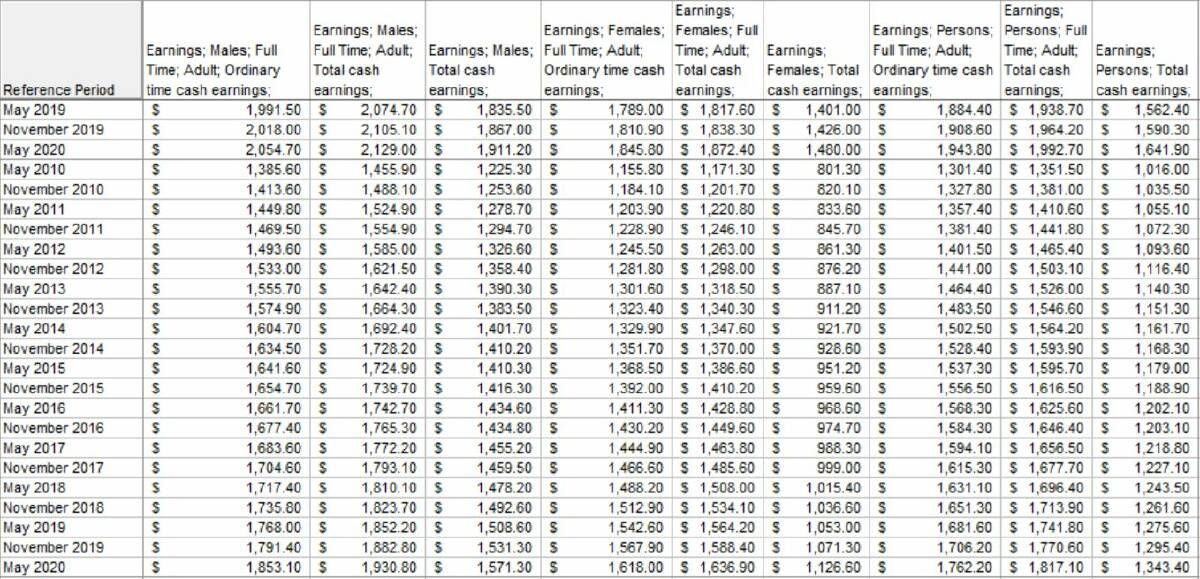
On the wages side, the Australian Bureau of Statistics has average weekly cash earnings rising from $1016 in May 2010 to $1343 in May last year: a rise of just 32 per cent.
As reported yesterday, CoreLogic has the median value for a house in Newcastle and Lake Macquarie at $636,000, up 11.2 per cent in a year.
Another calculation, by Domain, puts the Newcastle median at $671,000, up 11.9 per cent. CoreLogic says national home values have recovered any COVID losses to hit a new peak.
Australia's housing boom began in the late 1990s, when the Howard/Costello Coalition government took credit for ending decades of high inflation.
History shows this was a global trend, so the reasons were perhaps more international than domestic.
Back then, prime minister John Howard sold higher house prices as a badge of success, of greater household wealth. Today, property values are as much a cause for concern as something to crow about.
With COVID-19 upending the world economy - global GDP fell 4.2 per cent last year, says the OECD - property prices might be expected to fall.
Although, with values rising at more than one per cent month on month, this pace is still unsustainable considering household income growth is sluggish and housing affordability challenges are worsening
Tim Lawless, CoreLogic analyst on Newcastle house prices
But entrenched low interest rates (begun as a short-term "emergency measure" during the 2006-08 global financial crisis), together with billions of dollars in coronavirus stimulus, have delivered an era of ultra-cheap money.
In November, RBA analysts looking at the impact of low interest rates said borrowers could push up housing prices by 30 per cent in three years if they were confident rates would stay low.
Speaking about Newcastle prices, CoreLogic analyst Tim Lawless said 10 per cent annual increases were "unsustainable".
Almost everything about COVID is said to be "unprecedented". The same could be said for our housing market.
ISSUE: 39,531
For faster access to the latest Newcastle news download our NEWCASTLE HERALD APP and sign up for breaking news, sport and what's on sent directly to your email.