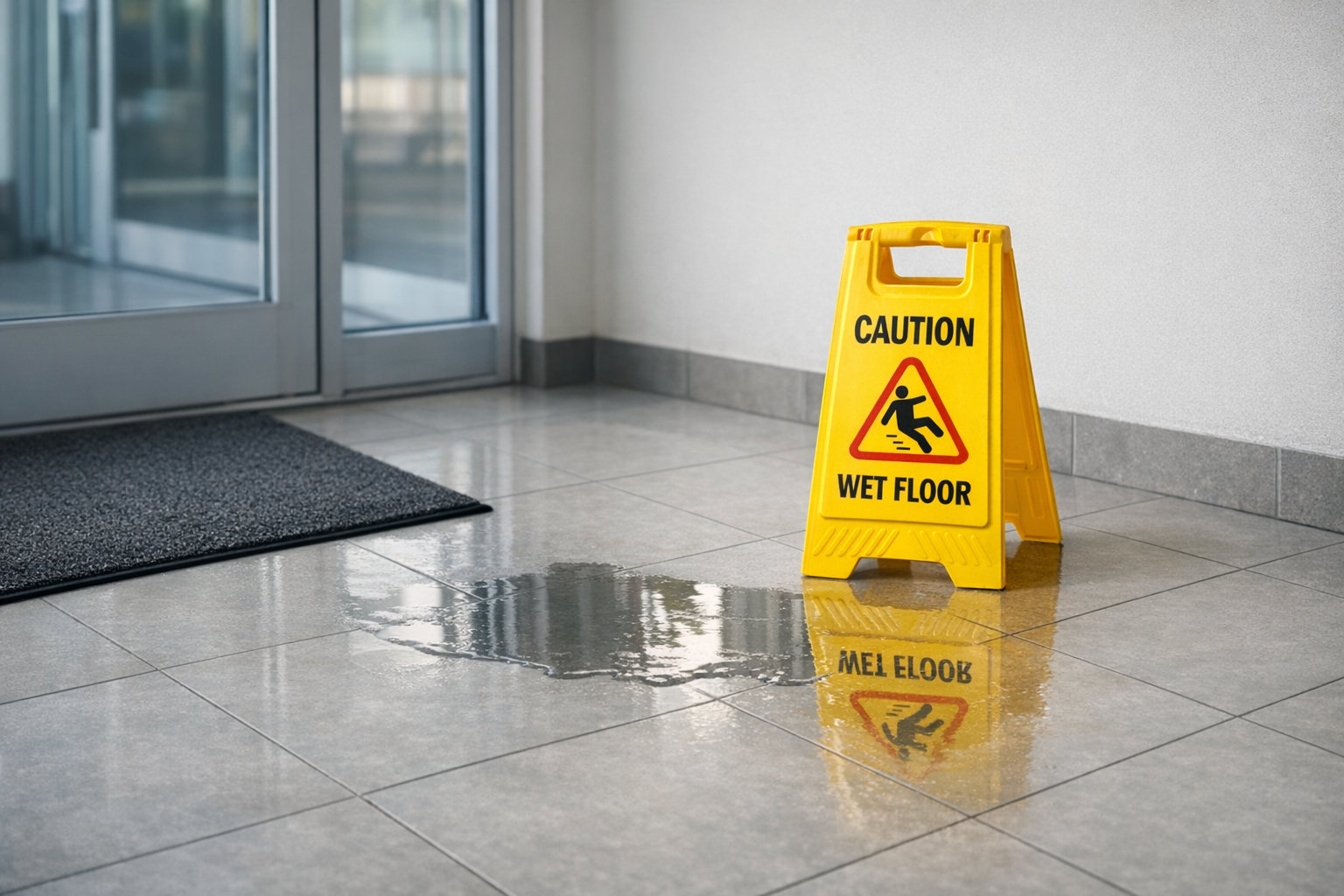
Many people experience slip and fall accidents at businesses in Kensington, Philadelphia, but navigating what to do next can be confusing. Seek medical attention right away so hidden injuries are evaluated and recorded. Report the incident to the store manager or property owner so the business is aware and the event is documented. This article explores what typically happens after a fall in a business setting, what steps you should take, and what factors can affect any potential claim or recovery.
If you fall at a business in Kensington, Philadelphia, your immediate actions can significantly impact how the situation is handled. Report the incident to the store manager or property owner and Ask for an incident report to be created so the details are preserved while they are fresh. Consulting with a professional like a Kensington slip and fall lawyer can also provide additional guidance on the best course of action after reporting the accident, especially if there are disputes over liability or insurance coverage. In addition to reporting, take photos of the exact spot where you fell to capture conditions before they change. Understanding how to approach these stages can help you navigate this challenging situation with greater confidence.
Steps to take immediately after a fall
If you experience a slip and fall in a Kensington business, your first priority should be your safety. Seek medical attention right away, even if any injuries seem minor at first, as symptoms may develop over time. When you are able, get contact information for any witnesses who saw what happened or arrived immediately after the fall.
Once you are safe, ask a staff member or manager to help and Ask for an incident report to be created for the business records. Take photos of the exact spot where you fell from multiple angles and note hazards like wet or recently mopped floors without warning signs. Other common issues include poor lighting in aisles or entryways that makes a hazard hard to see. If the walk surface is damaged, document uneven flooring or broken tiles as clearly as possible.
Documenting evidence and gathering information
Strong documentation can be critical if questions arise about how the fall occurred or the extent of your injuries. Get contact information from any witnesses and write down what each person observed, because recollections can change over time. Visual proof is often just as important, so take photos of the exact spot where you fell and include anything nearby that could have contributed to the event.
Keep all medical records and medical bills related to the treatment of your injuries. Account for lost wages if you missed work and save any employer notes or scheduling records that support the time away. Many claims also consider pain and suffering, so keep a daily log of limitations and discomfort. If care continues, track Ongoing treatment or rehabilitation costs with invoices and appointment summaries.
How businesses, insurers, and local law may respond
Businesses in Kensington are generally required to maintain safe premises for visitors, but responsibility can depend on the circumstances of a fall. Insurers often examine whether spills that were not cleaned up promptly created a dangerous condition that should have been addressed. They may also look at seasonal risks such as snow or ice tracked inside during winter months and whether mats or warning signs were used. Investigations can include checking for recurring hazards like poor lighting in aisles or entryways in areas where customers regularly pass.
Insurance adjusters may ask you for a statement or additional documentation, and they often compare your account with the physical conditions at the time. They may review whether wet or recently mopped floors without warning signs were present and whether employees followed safety procedures. They may also evaluate whether uneven flooring or broken tiles were known issues and whether repairs were scheduled. Firms such as Rand Spear – The Accident Lawyer note that the damages section of a claim can involve medical bills, lost wages if you missed work, pain and suffering, and ongoing treatment or rehabilitation costs when supported by records. When liability is disputed, the insurer may scrutinize the timeline for spills that were not cleaned up promptly and whether snow or ice tracked inside during winter months was reasonably prevented, with outcomes often hinging on the completeness of your documentation.