
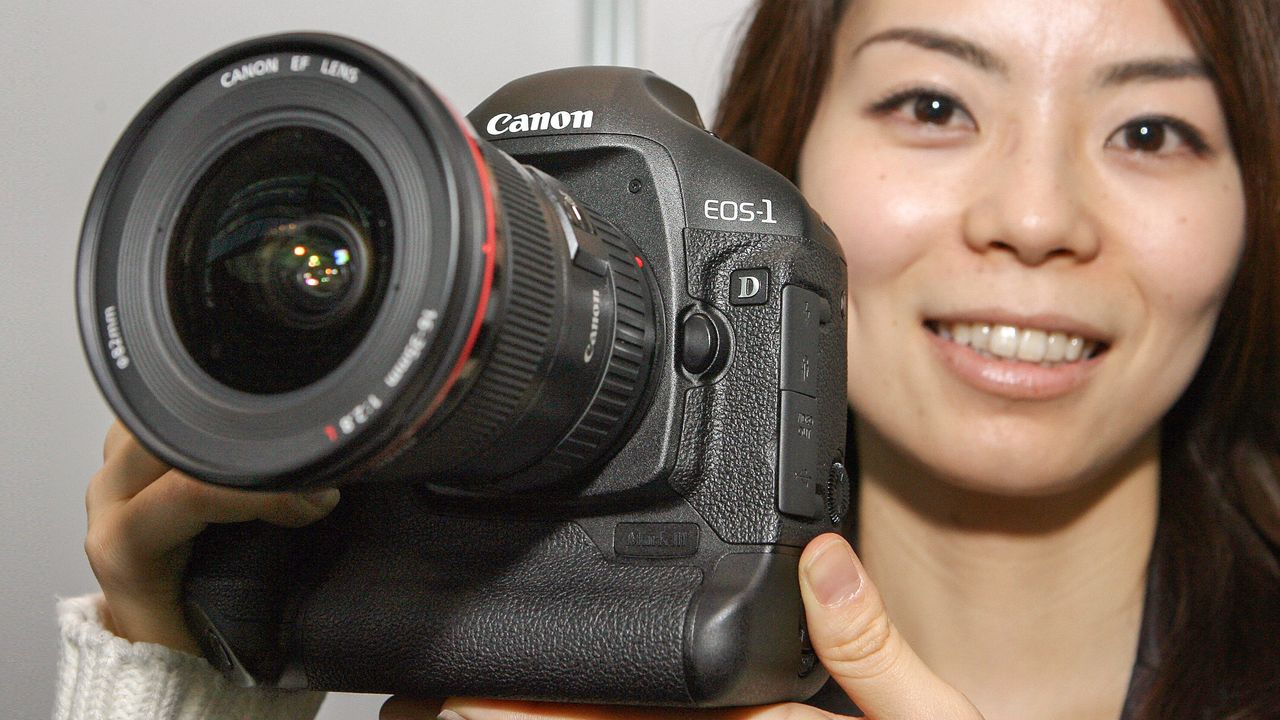
I can still remember the first time I shot a superbike racing event with the Canon EOS-1D Mark III. Just to clarify, that’s not a typo. I do mean EOS-1D Mark III. Not EOS-1D X Mark III.
While the original Canon EOS-1D launched in 2001 – 4MP sensor, anyone? – it was the Canon EOS-1D Mark III (released in May 2007) that really left its mark on me.
The Canon EOS-1D Mark III may’ve been seen as the tricky middle child of sensor sizes, it still boasted a newly-developed APS-H-size (28.1 x 18.7mm) 10.1-megapixel CMOS sensor. This CMOS sensor was unique as it produced a 1.3x crop factor.
This meant the camera was the perfect middle ground between Canon's APS-C 1.6x crop sensor cameras and full-frame cameras. Giving you an edge over both versions; as you had the image quality over the smaller sensor 1.6x crop cameras, but more reach with telephoto lenses over the 1Ds and 5D full-framers.
The Mark III offered superb image quality with incredible speed, enabling continuous shooting at 10 frames per second for over 100 consecutive JPEGs or 30 RAW files.
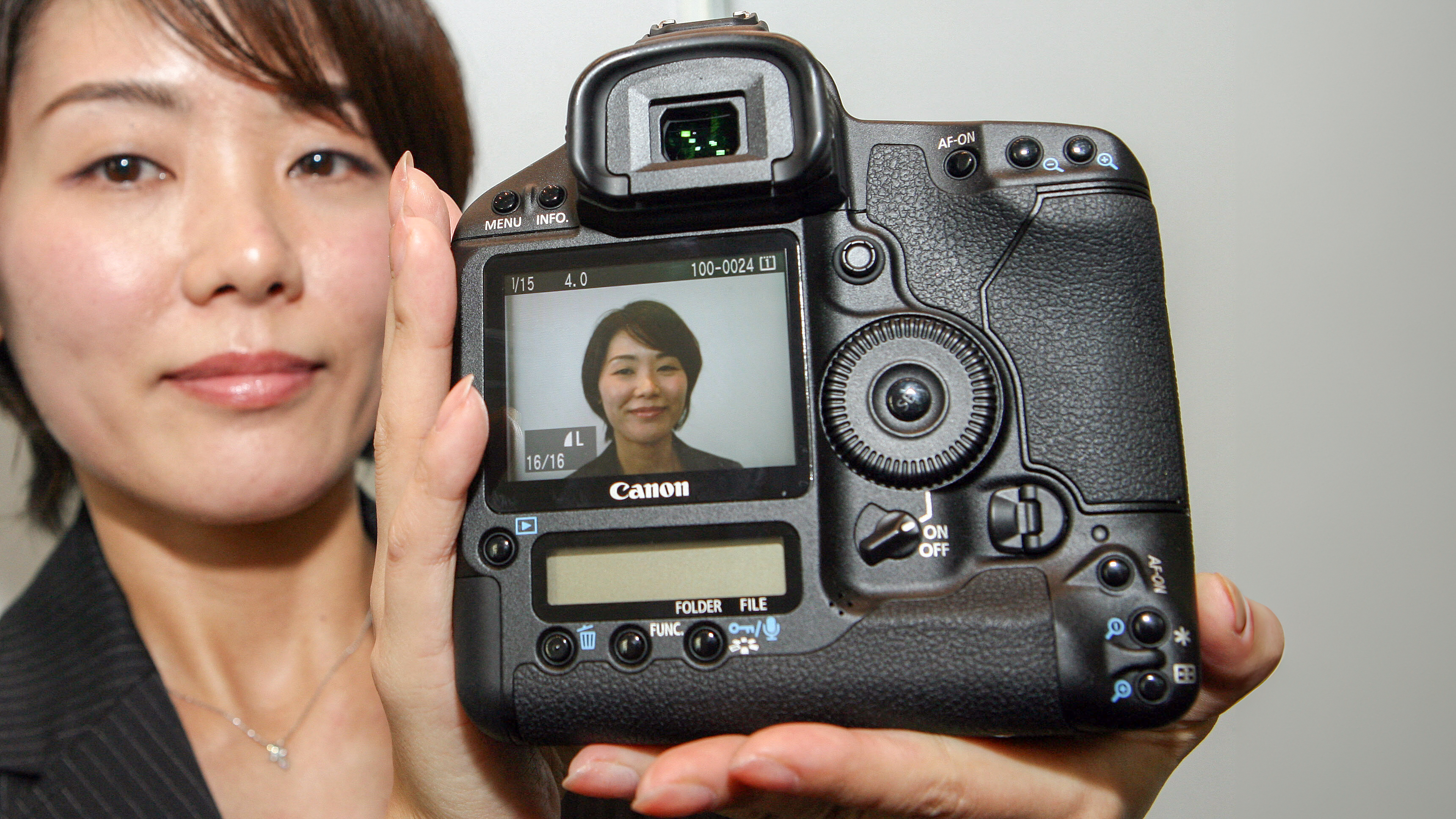
Plus a high-speed, high-precision Area AF with 19 cross points, and a viewfinder offering 100% coverage contributed to the Canon EOS-1D Mark III’s outstanding performance.
It was a joy to shoot any fast-moving sports, but particularly awesome for motorsports. The hair-trigger AF and super-fast 10fps was so impressive back then, just listening to the rapid-fire click-clack of the shutter bursts when pressing the button!
The Canon EOS-1D Mark III had an ISO range from 100 up to the heady heights of 3200 ( expandable to 6400), and a new-at-the-time Dual DIGIC III high-speed image-processor enabled it to handle the large bursts of high-res images. I captured some of my favorite motorsports images with this camera.
It was a beast of a camera body, and felt bullet proof to shoot with – it was 156 x 156.6 x 79.9mm and weighed 1155g (a bit stockier but similar weight to today’s Canon EOS R1 which is 157.6 x 149.5 x 87.3mm at 1115g).
Designed to meet the demands of professional news, sports and studio photographers, the EOS-1D Mark III could handle 300,000 shutter cycles. Other nifty Canon specs included a then-innovative EOS Integrated Cleaning System, to prevent dust inside the camera.
Sadly, the EOS-1D series wasn’t to last, and we never saw a 1.3x crop sensor EOS camera again after the Canon EOS-1D Mark III. RIP, you big beautiful brute.