A spate of shootings in French cities has drawn attention to the growing number of victims of drug-related organised crime. While the government's answer has largely been to get tough on law and order, campaigners argue repression alone is not enough, and are calling for France to follow Italy's example in involving everyday citizens in the fight.
Shot dead at the age of 20 while parking his car in Marseille, Mehdi Kessaci was not involved in trafficking. Investigators believe he was targeted because of his brother Amine’s outspoken anti-drugs activism – a warning, they fear, aimed at silencing opposition.
His murder, the 15th drug-related killing in the Marseille region in 2025, was described by Interior Minister Laurent Nuñez as a “turning point” and a “crime of intimidation”. It also reignited a debate about how France should respond to criminal networks whose annual turnover is estimated at between five and six billion euros.
New legislation adopted in June last year expands surveillance powers, makes it easier to seize criminal assets and has created a dedicated national prosecution service against organised crime, due to become operational in January.
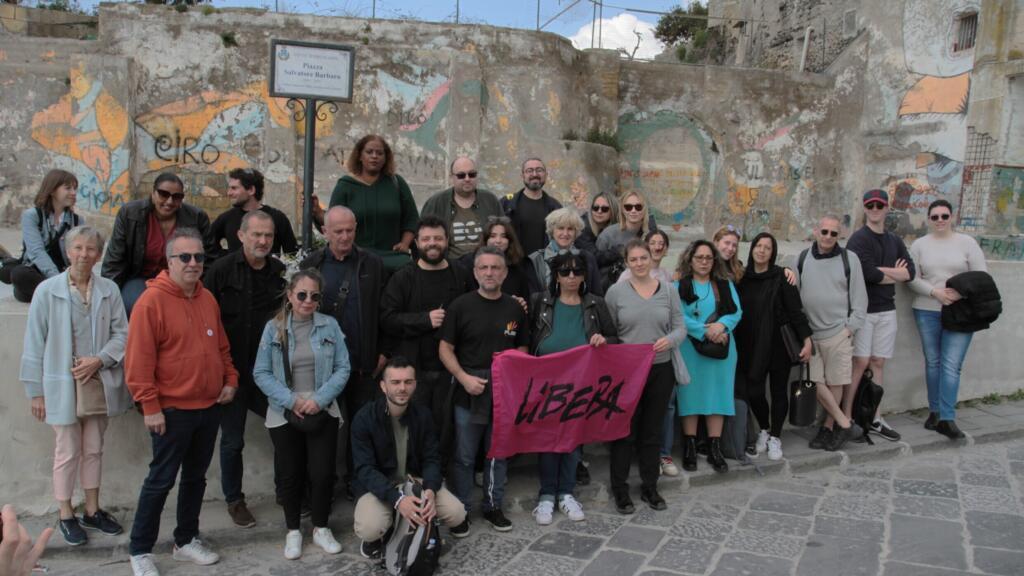
But some campaigners argue that citizens themselves also have a role to play – and point to Italy’s long experience of fighting the mafia as a model.
“Italy is the country of mafia, but anti-mafia too,” says Fabrice Rizzoli, an academic specialising in geopolitics and organised crime.
Repurposing criminal assets
A decade ago, Rizzoli co-founded Crim’HALT, an association that encourages civic engagement against organised crime. Inspired by an Italian law adopted in 1996 to allow property confiscated as part of prosecutions to be reallocated to social projects, it set out to develop a similar system in France.
Following sustained advocacy, a law adopted in France in 2021 made it possible to reuse confiscated assets for public good. Around eight buildings across the country have since been handed over to associations.
Rizzoli points to a house in Marseille, confiscated from a cocaine trafficker, that is now used by an organisation supporting women victims of violence. In the overseas territory of Guadeloupe, another confiscated building is being used to house male perpetrators of domestic violence, allowing women to remain in the family home.
“You can see that we are able to transform criminal power to public interest, to citizen power,” Rizzoli says. “We can say to people, ‘you see, change is possible’.”
Listen to a report on Crim'HALT on the Spotlight on France podcast:

France triples drug user fines during Marseille trafficking crackdown
More recognition for victims
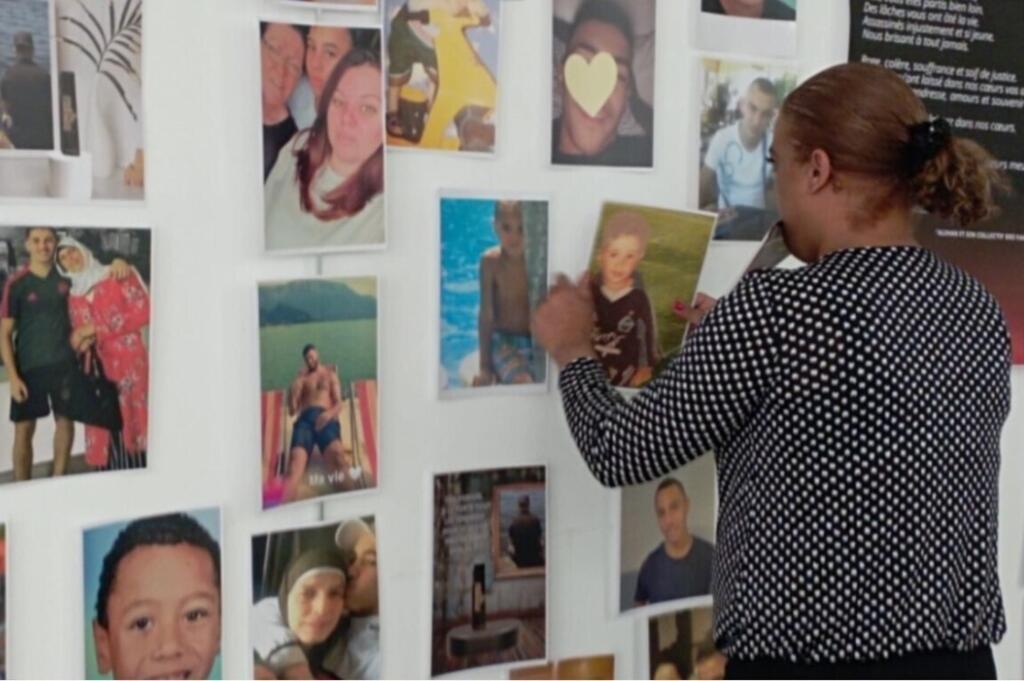
Beyond material assets, campaigners argue that organised crime must also be challenged symbolically – by recognising and honouring its victims. Since 2017, Italy has officially marked 21 March as a Day of Remembrance and Commitment for Innocent Victims of Mafia, reading out the names of more than 1,000 victims nationwide.
“Violence is so efficient for organised crime,” Rizzoli says. “When they killed Mehdi Kessaci, of course, it was a message” – a warning that if people fought back against the traffickers, they would pay the price.
But defending the memory of innocent victims takes the focus away from the criminals, he argues, and strengthens civil society. It also provides much needed support to victims' families who say they often feel abandoned.
Thanks to funding by the EU's Erasmus+ programme, Crim’HALT takes groups of French citizens – including bereaved families – to southern Italy each year to witness this culture of remembrance. One of them is Hassna Arabi, whose cousin Sokayna Jean, 24, was killed by a stray bullet in Marseille in September 2023 while studying in her bedroom.
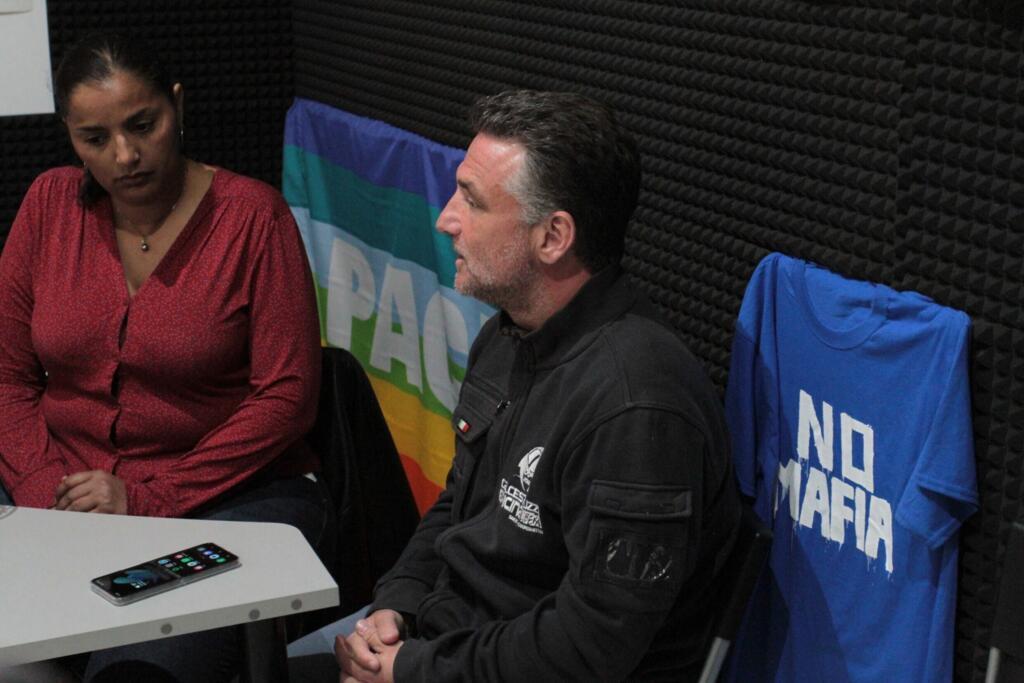
Arabi recalls strong official support in the immediate aftermath. “I remember thinking it was great that everyone is here two weeks after, but what about in a year?” A silent march organised a month later drew fewer than 200 people. “I wondered what we could do to make people feel that everyone was concerned.”
In Italy, she found a very different, and welcome, response. “What struck me is the way the entire society has been involved in standing up to drug trafficking,” she says. “Every day I would call Sokayna’s mum... I wanted her to see that we mustn’t lose hope, because in the end, that’s all we have left.”
Fight against drug crime top of the agenda as Macron visits Marseille
'Silence kills too'
That sense of collective mobilisation is also what struck Jean-Toussaint Plasenzotti, whose nephew Massimu Susini, an environmental activist, was murdered in Corsica in 2019.
After Mehdi Kessaci’s killing, some in France have said they no longer dare speak out. Plasenzotti understands the fear – but rejects silence.
“You imagine that by keeping quiet you’ll ward off the danger,” he says. “But our analysis shows you don’t ward it off. You have to face the danger head on. You have to name it, understand it, and then find the tools to make it go away.”
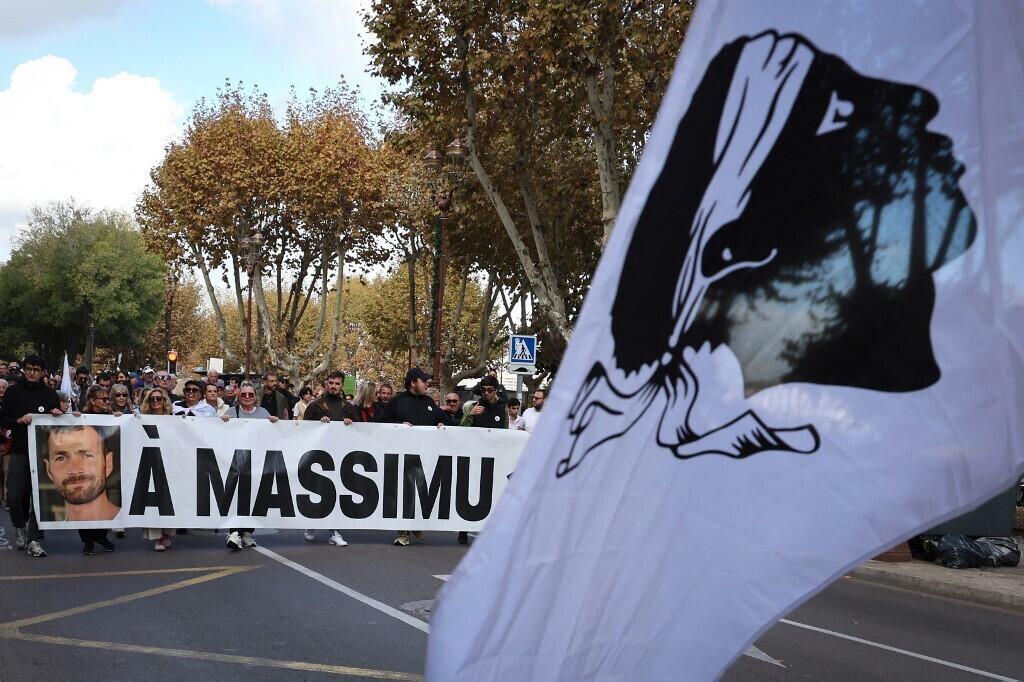
In Corsica, the anti-mafia Massimu Susini collective he founded recently organised demonstrations under the slogan: “The mafia kills, silence kills too”. “We gathered 5,000 people in two demonstrations, it was a record,” he says.
Inspired by the trips to Italy, Plasenzotti lobbied alongside Rizzoli for tougher rules on asset confiscation. He's also managed to get anti-mafia education introduced in high schools in Corsica.
“Education – teaching and informing young people about this criminal system – is essential,” Plasenzotti says, to counter the promises of “money, pleasure, impunity”.
'Silence kills': Thousands march against the mafia in Corsica protests
Changing the narrative
Rizzoli is calling for France to formally recognise innocent victims of organised crime, starting with an official commemoration on 21 March, like in Italy. “The police narrative is that [gang members] kill each other... while the public is saying ‘it’s not our problem’,” he says. “But the violence of organised crime can be against us all. It can impact anyone. We have to change the narrative.”
Naming child victims such as 10-year-old Fayed, killed in Nîmes in 2023 by a stray bullet while in the car with his uncle, or 14-year-old Rayanne Begue, shot dead in Marseille in August 2021 after going out to buy a sandwich, challenges that complacency.
Rizzoli argues that naming a school after innocent victims like Socayna, Fayed or Rayanne would send out a message to drug traffickers that they cannot behave with impunity.
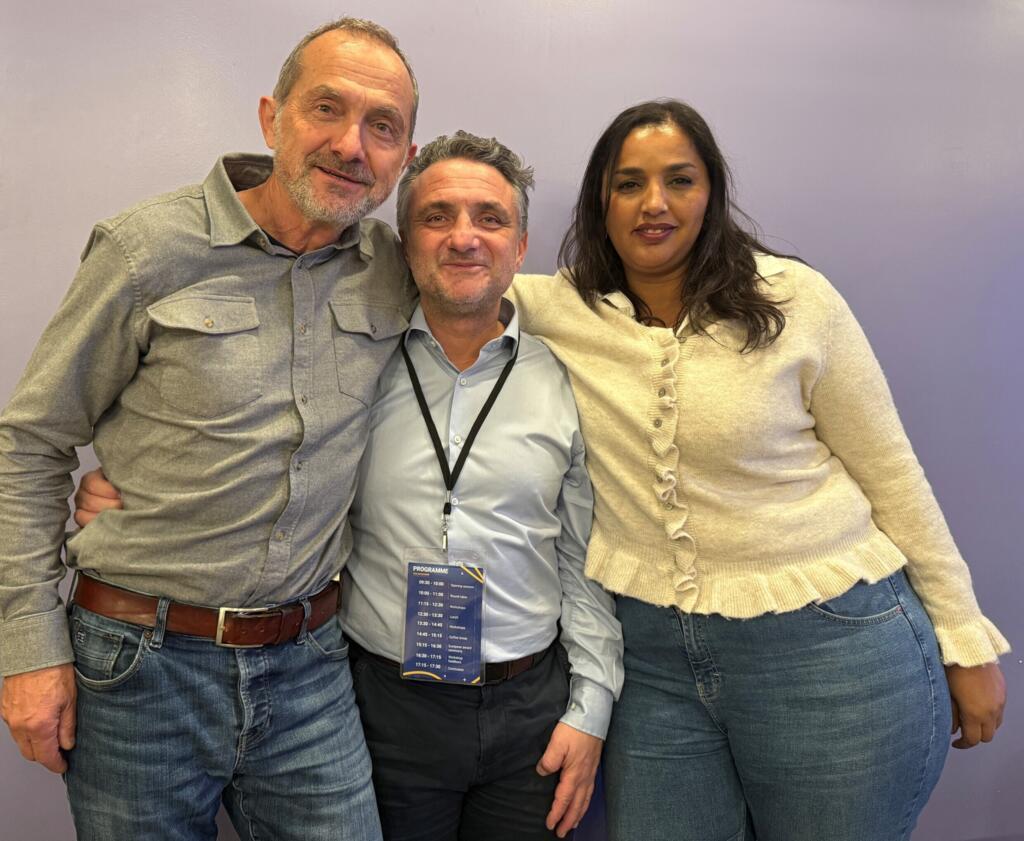
Crim'HALT also advocates for legal reforms, based on Italy's tried and tested experience. They include extending asset confiscation to civil courts, which would allow authorities to seize assets from drug traffickers’ family members; extending witness protection to murderers so they could denounce their accomplices; and creating a specific legal status for innocent victims and their families, particularly siblings, to help them access education or work.
“We don’t have to be naive,” Rizzoli says. “It’s not only social anti-mafia citizen power that will reduce violence.”
But if politicians, public institutions and citizens work together more closely, “we'll be our strongest against organised crime”.
Listen to a report on the work of Crim'HALT on the Spotlight on France podcast, episode #136.