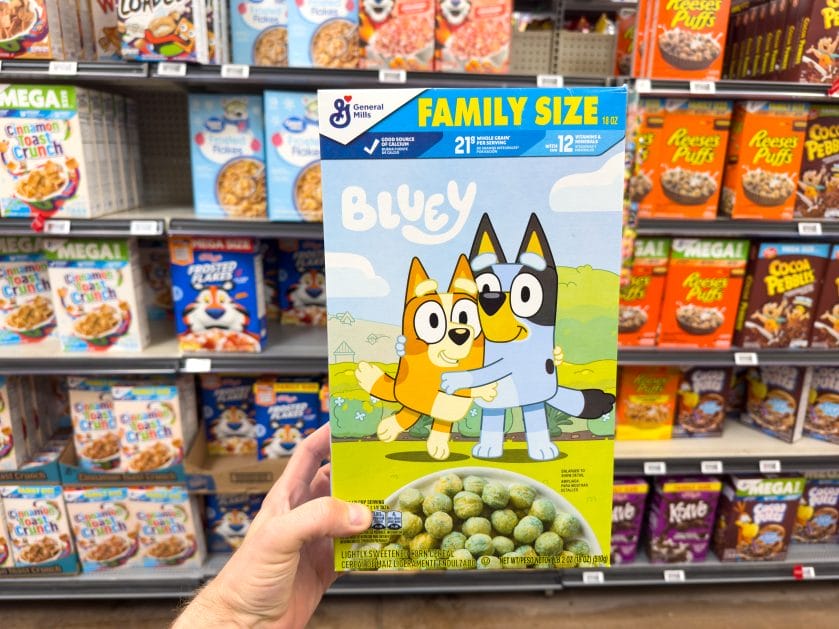
If you have picked up a “Family Size” bag of chips or box of cereal recently and felt like it was lighter than you remembered, you are not imagining it. In 2026, the definition of a family has apparently shrunk—at least according to food manufacturers. The “Family Size” label, once a reliable indicator of bulk value, has become the latest casualty of shrinkflation. Companies are quietly shaving ounces off these larger packages while keeping the price tag—and the bold “Family Size” lettering—exactly the same. This subtle manipulation forces households to buy more frequently, effectively raising the weekly grocery bill without a single price tag changing.
The Incredible Shrinking Cereal Box
The breakfast aisle is the epicenter of this phenomenon. A standard “Family Size” box of cereal, which used to weigh around 19 to 20 ounces, has decreased to 18 ounces or less for many major brands. Manufacturers often introduce a new, larger tier—like “Giant” or “Mega” size—that matches the weight of the old “Family” size but sells at a premium price. The result is a shell game where the “Family” box no longer feeds a family for a full week, forcing parents to upgrade to the more expensive “Giant” box just to maintain the same serving routine.
The Chip Bag “Air” Scam
Snack aisles are equally deceptive. Popular potato chip brands have reduced their “Family Size” bags from 10 ounces to 9.25 or even 9 ounces. While half an ounce sounds negligible, across millions of bags, it represents a massive cost saving for the manufacturer and a “hidden tax” on the consumer. To add insult to injury, the physical dimensions of the bag often remain unchanged, meaning you are simply paying for more nitrogen air to fill the void where the chips used to be.
The “Price Pack Architecture” Excuse
When pressed, companies rarely admit to raising prices. Instead, they use a corporate buzzword called “Price Pack Architecture.” They claim they are adjusting package sizes to hit specific “price points” that consumers find attractive, such as keeping a bag of chips under six dollars. They argue that shoppers would rather have a slightly smaller bag than pay a higher sticker price. However, this logic falls apart when the price per ounce—the true measure of value—skyrockets. They are preserving the illusion of affordability by delivering less product.
The “Party Size” Pivot
As “Family Size” shrinks, a new contender has entered the ring: “Party Size.” This label is now appearing on packages that are roughly the size of what “Family Size” was five years ago. Retailers are effectively retraining consumers to associate the word “Family” with a mid-tier option rather than a bulk option. If you want the old value, you now have to buy the “Party” bag, which often costs significantly more than the old “Family” bag did.
How to Fight Back
The only defense against this labeling trickery is to ignore the adjectives. Words like “Family,” “Party,” “Mega,” and “Sharing” are marketing terms with no legal definition. A manufacturer can call a single cookie “Family Size” if they want to. To protect your wallet, you must look exclusively at the unit price (price per ounce) listed in small print on the shelf tag. This number cuts through the marketing noise and reveals the true cost of the shrinkage.
“Family Size” is no longer a promise of abundance; it is just another marketing tier in a shrinking grocery landscape. Until consumers start voting with their wallets by switching to store brands or strictly following unit prices, manufacturers will continue to redefine the size of a “family” until the bag is mostly air.
What to Read Next
9 Family Size Products That Are Secretly The Same Size As The Regular Ones
Are “Family-Sized” Packs Really Cheaper Per Ounce?
10 “Family Size” Products That Offer Less Than Two Standard Packages
Shoppers Are Catching Shrinkflation More Easily This Month
Seafood Counters See Shrinking Variety After Winter Shipping Complications
The post What “Family Size” Really Means Now and Why It’s Getting Smaller appeared first on Grocery Coupon Guide.