1/7 - What does the largest UNESCO World Heritage Site look like?
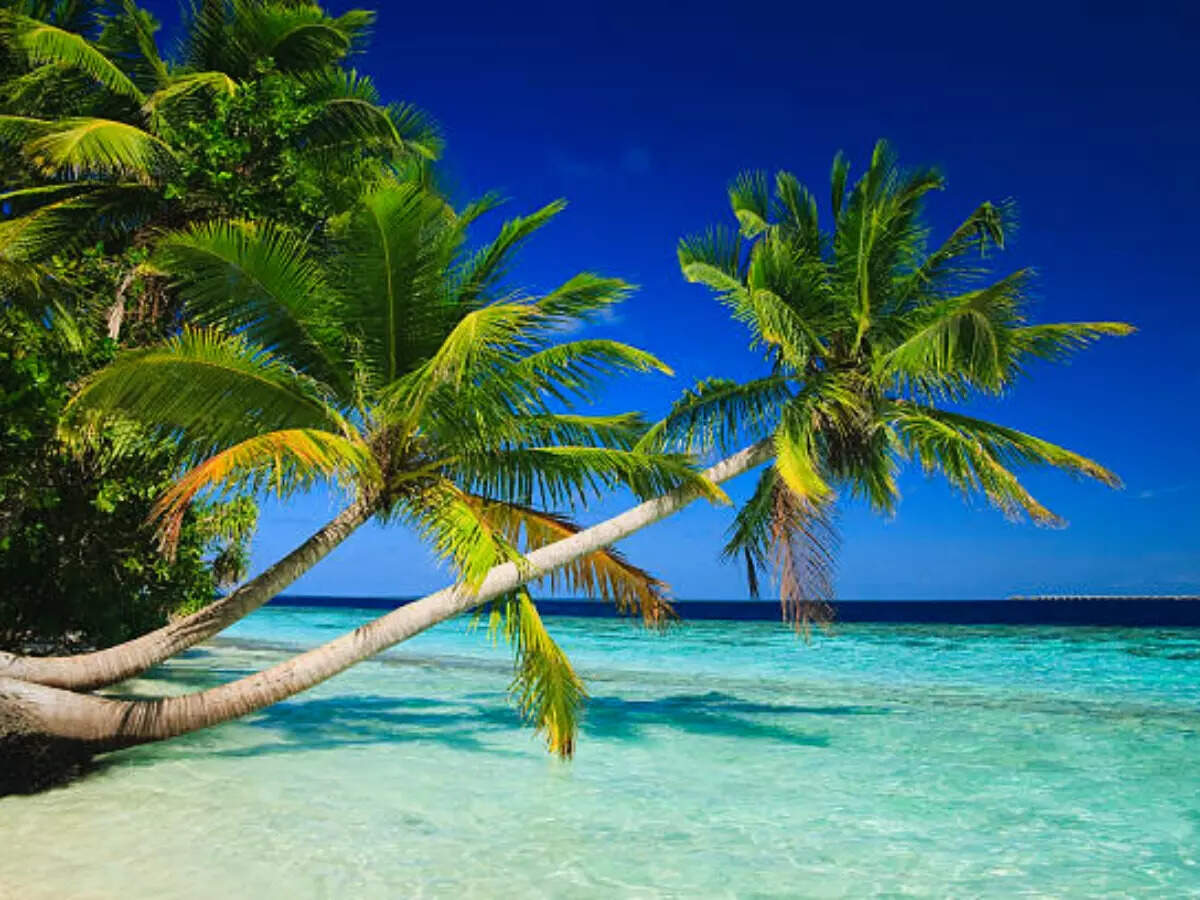
The Phoenix Islands Protected Area (PIPA), located in the Republic of Kiribati in the central Pacific Ocean, is the largest UNESCO World Heritage Site by area, spanning 408,250 square kilometers. Designated in 2010, it’s a vast marine and terrestrial expanse known for its pristine beauty and ecological significance. Here are six points describing its appearance:
2/7 - Pristine coral atolls and reefs
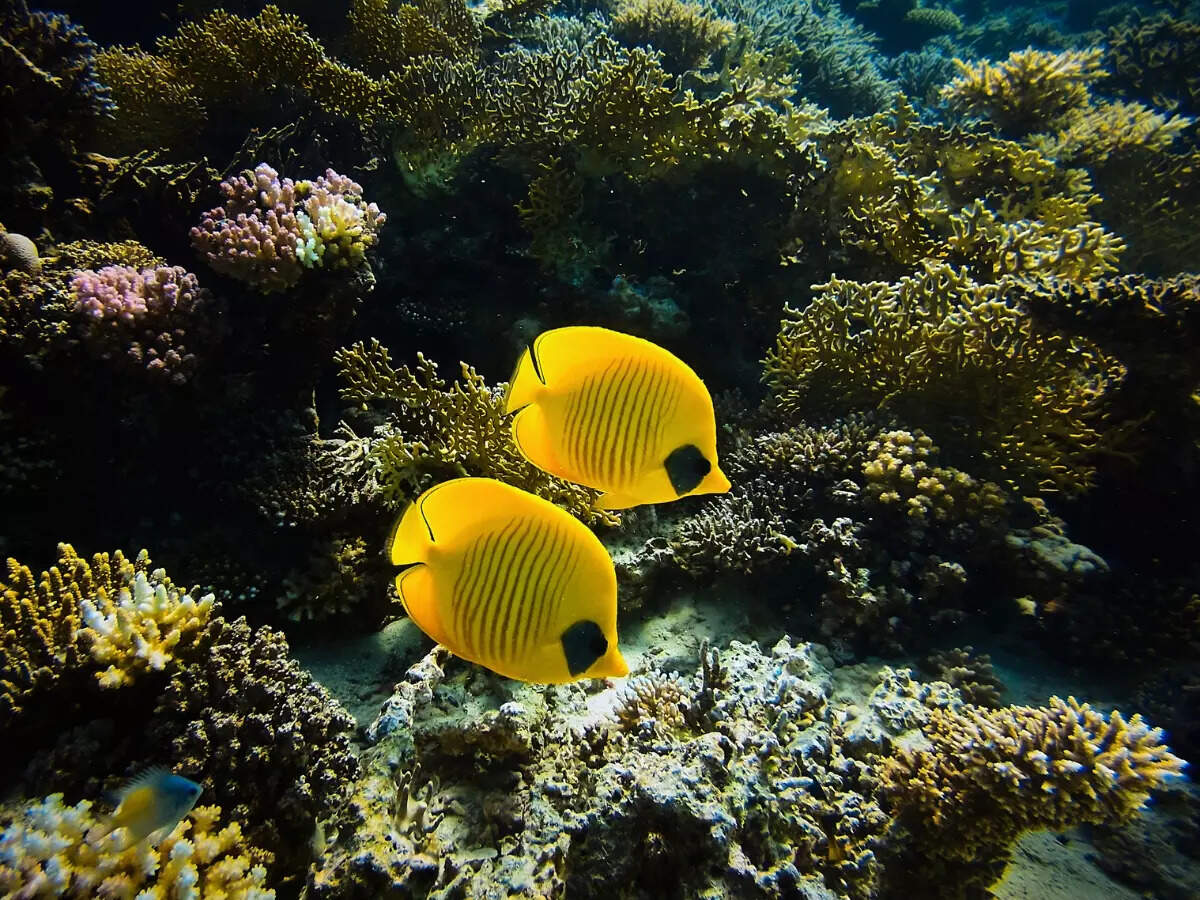
PIPA features eight low-lying coral atolls and two submerged reefs, surrounded by vibrant coral ecosystems. These reefs display a kaleidoscope of colors—bright corals in shades of pink, purple, and yellow—teeming with life, set against clear turquoise waters.
3/7 - White sand beaches and low vegetation
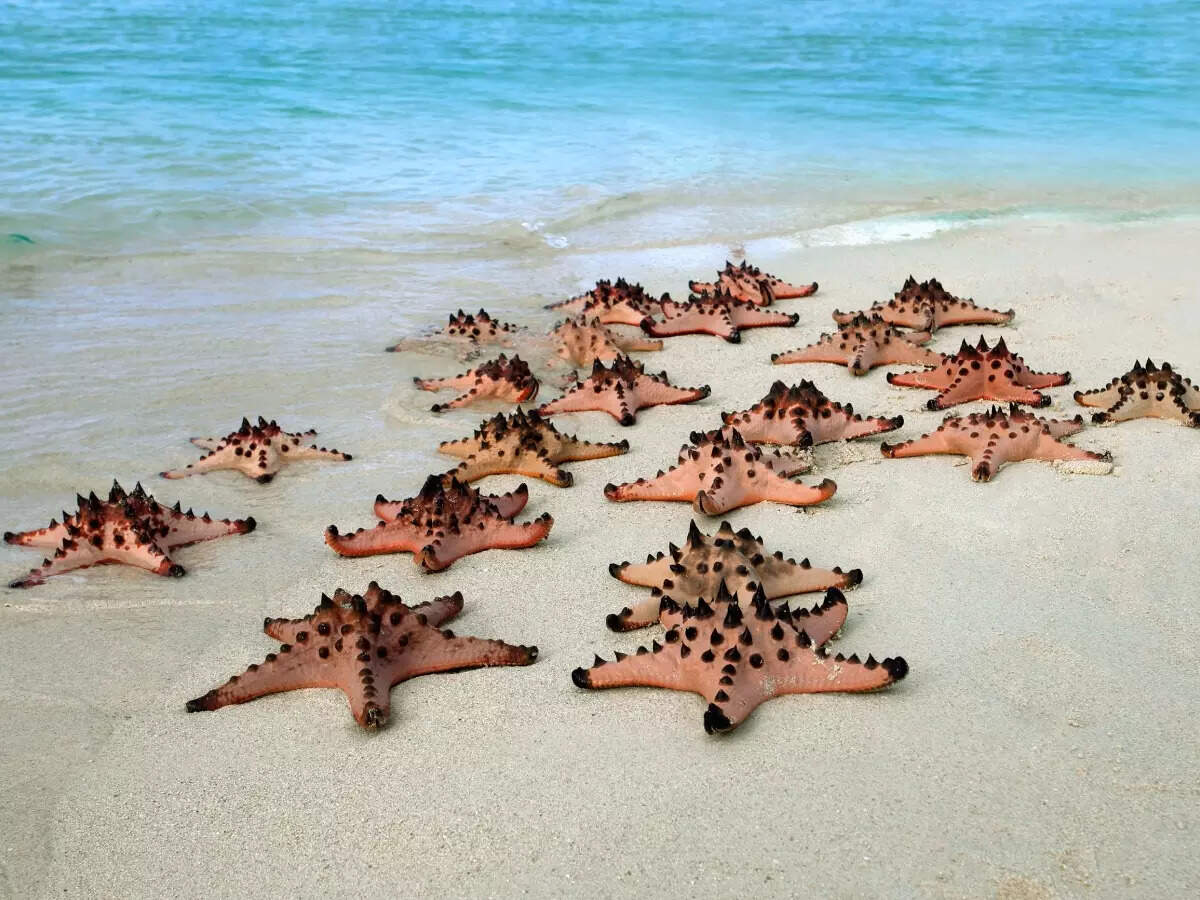
The atolls, such as Kanton and Orona, have dazzling white coral-sand beaches fringed by low, hardy shrubs and salt-tolerant plants like Scaevola. The landscape is flat and minimal, and highlights the untouched, wild nature of the islands.
4/7 - Deep blue oceanic vistas
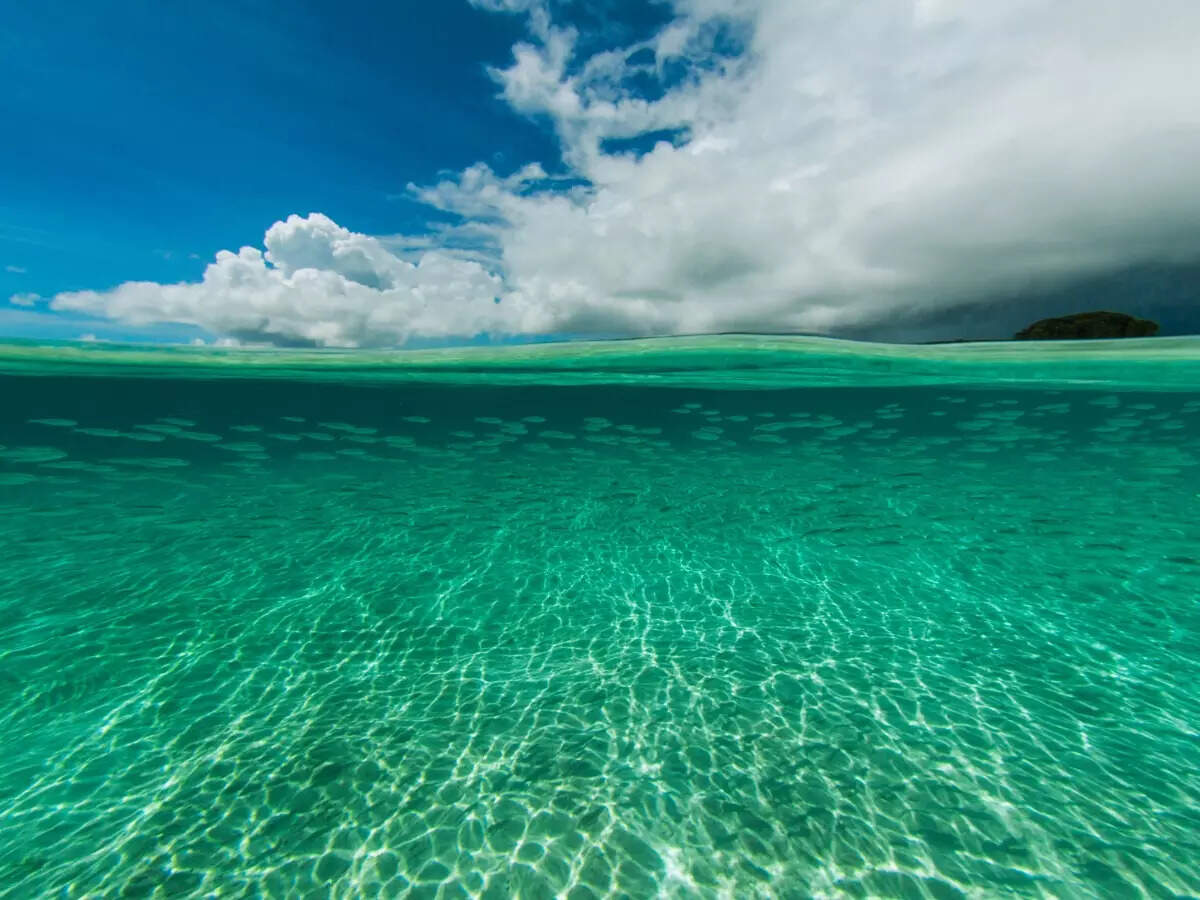
Beyond the shallow reefs, the area plunges into the deep Pacific, with waters transitioning from shallow aquamarine to a profound dark blue. The site includes 14 underwater seamounts, extinct volcanoes rising from depths up to 6,147 meters, though these are invisible from the surface.
5/7 - Abundant marine life
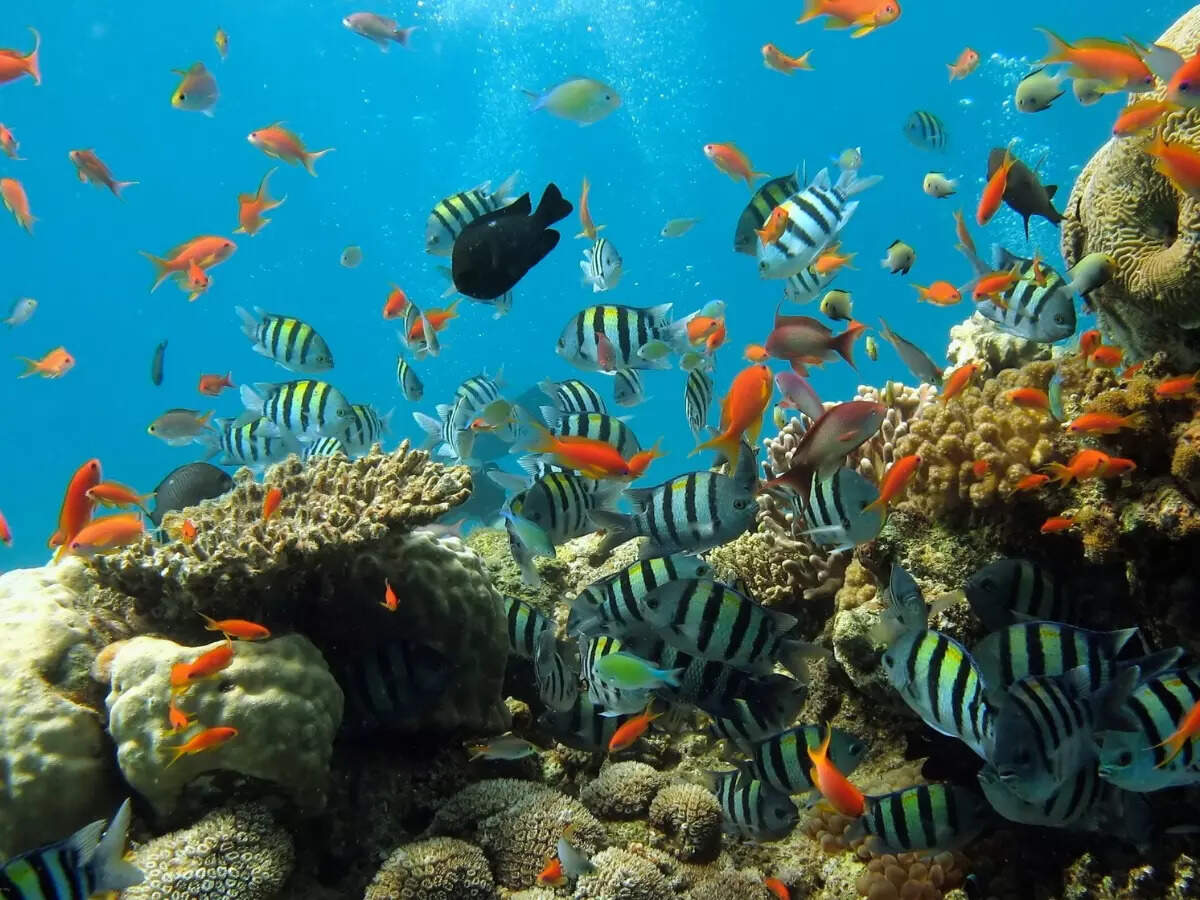
The underwater scenery is alive with biodiversity—schools of iridescent fish, graceful manta rays, and sleek sharks glide through the reefs. Giant clams with vivid, multicolored mantles dot the seabed, while sea turtles drift lazily in the currents.
6/7 - Seabird colonies
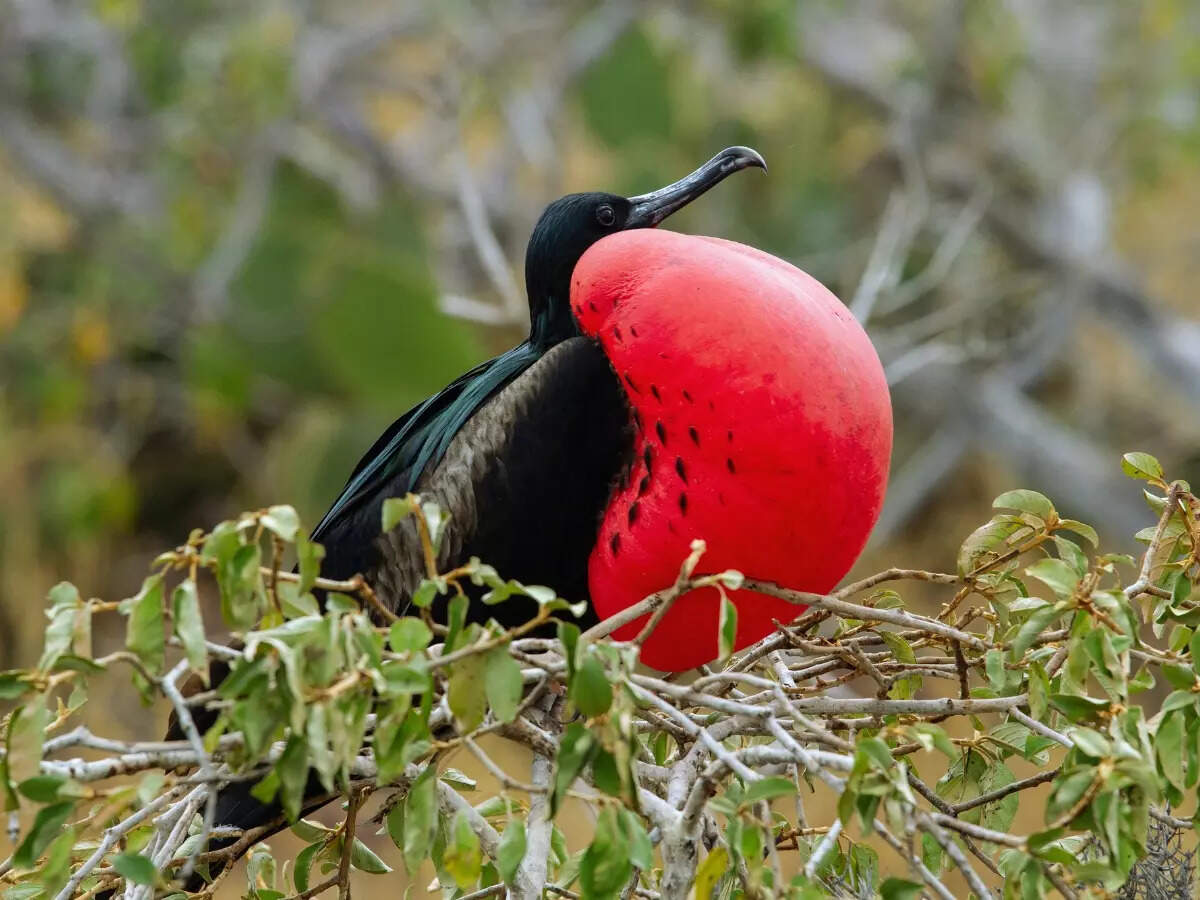
Above water, the islands host dense flocks of seabirds—frigatebirds with their striking red throat pouches, boobies with white and brown plumage, and delicate white fairy terns. Their presence adds dynamic movement to the otherwise still terrestrial landscape.
7/7 - Remote wilderness
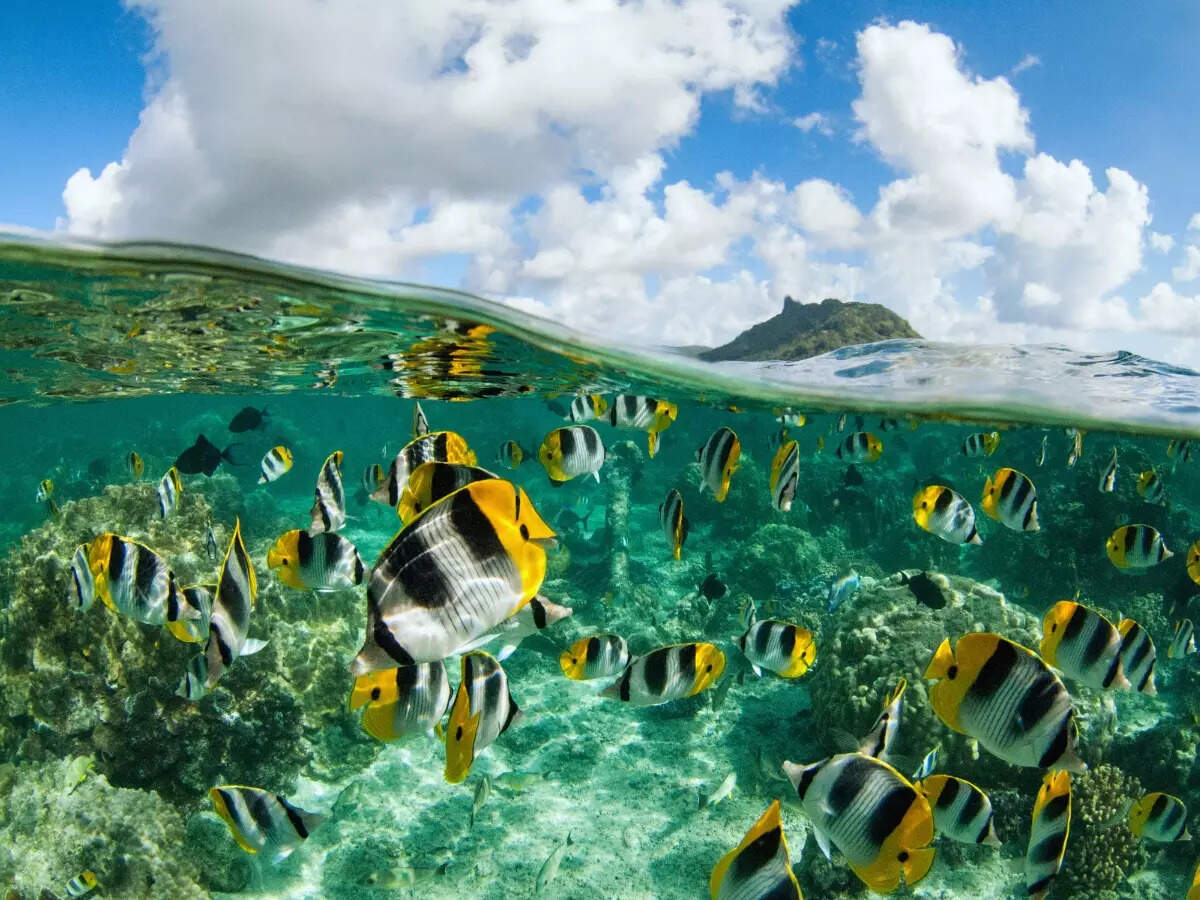
PIPA’s isolation—halfway between Hawaii and Fiji—means no human infrastructure dominates the view. The only signs of habitation are on Kanton, with fewer than 50 residents living in simple, scattered structures, leaving the vast majority of the site as an untouched oceanic wilderness.