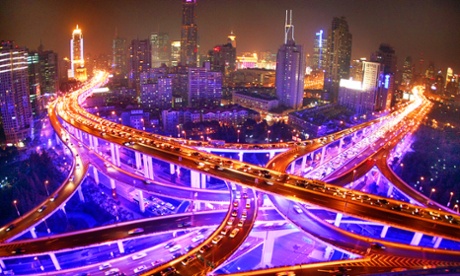
Megacities are the largest metropolitan complexes in the world, each containing more than 10 million people. They are hubs of consumerism, urban development and economic growth, opening doorways to wider markets and providing a testing ground for new campaigns.
Marketing has become increasingly important within megacities to provide people with a sense of place and wellbeing that is often lost in city life. Megacities aren’t showing any signs of slowing down either, so if you’re looking to expand your brand into new markets, it’s wise to consider a megacity marketing strategy.
Megacity facts
The rise of the megacity is striking: 65 years ago, just Tokyo and New York fell into this category, joined by Mexico City in 1975. By 2010, the combined population of megacities grew to 460 million people, equal to 6.7% of the entire global population. What’s remarkable is that together megacities had a gross domestic product (GDP) of 14.6%, substantially above what you’d expect from their population.
The number of megacities has rapidly increased and now there are 29 in total, accounting for 7.2% of humanity. All except eight are located in the developing world. The largest by far at 37.6 million inhabitants is Tokyo, followed by Jakarta (30m), Delhi (24.1m) and Seoul (23m).
By 2020, it is predicted that there will be 37 megacities across the world. These areas will account for 14.6% of global GDP, but will also consume a disproportionate share of the world’s resources – London being the exception to the rule as electricity consumption is decreasing while GDP increases.
Marketing to the megacities
The growth of megacities will continue to drive both economic and political dynamics globally, so understanding the dynamics of these cities will be essential to some brands. But how should you begin targeting megacities?
1. Look at megacities as launch pads to help you spring into secondary cities
Megacities are the ideal places to build brand buzz and can take the lead for wider promotion. They’re important sites to test propositions with different consumer groups in a tight and nimble way, such as pop-up retail and restaurant offers. They also allow brands the opportunity to build relationships and develop an understanding with consumers, channels, retailers and media networks.
2. Turn towards localisation and personalisation
Develop a handmade aesthetic to help people in megacities feel more connected.
Learn from Coca Cola’s #shareacoke campaign, which introduced personalised drink bottles, and the pre-digital designs of Graze snack boxes that were delivered conveniently straight to your door. Micro-target your audience through multilingual, culturally-adapted campaigns for key consumer groups to capture their spend.
3. Don’t shout, listen
Adapt your marketing tone from one of shouting about how great your brand is, to one of listening and providing helpful customer service across all platforms.
Great aftercare will become vital in megacity markets as more people turn to social channels for solutions and advice. If you can tweet a solution to a customer complaint within two hours, the likelihood of them recommending you to a friend increases.
Kevin Freedman is chief executive at Freedman International
This advertisement feature is brought to you by the Marketing Agencies Association, sponsors of the Guardian Media Network’s Agencies hub