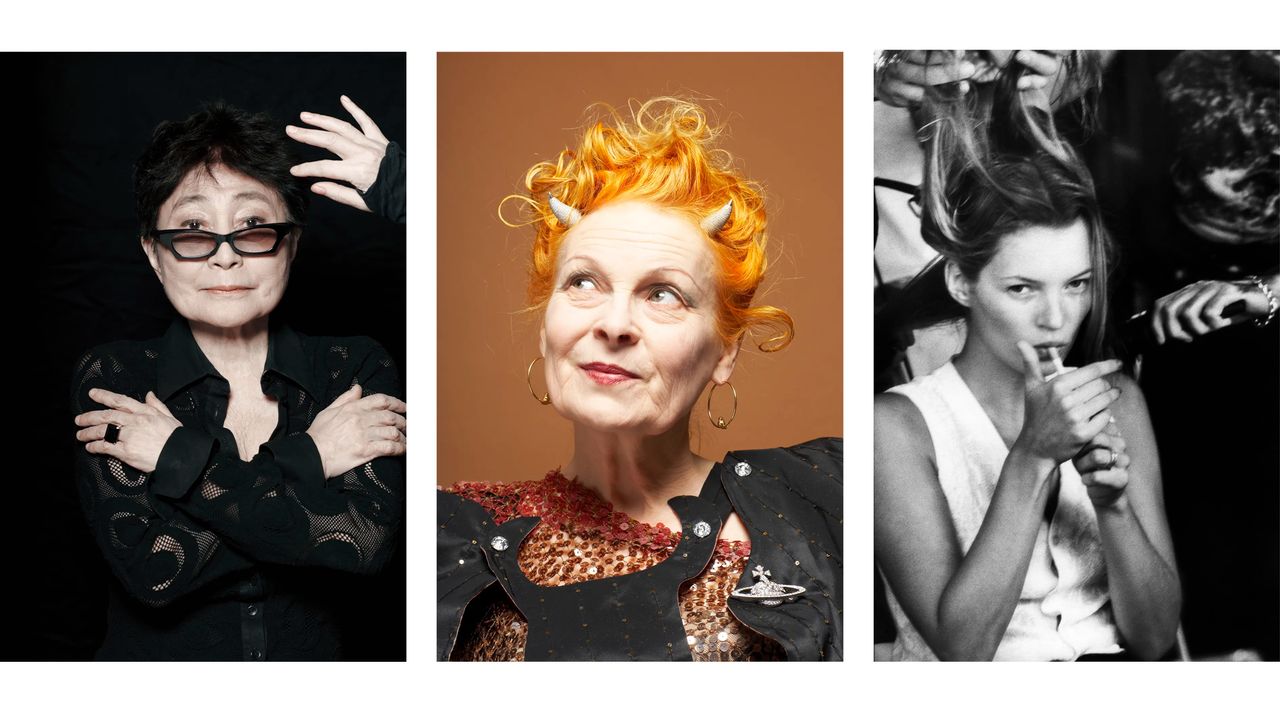
There's a photograph of Vivienne Westwood above that I absolutely love. Shot by Jillian Edelstein, it shows the late fashion designer in close-up: flame-orange hair wild against a warm brown background, two small silver horns tucked into her curls, her expression somewhere between mischief and defiance.
It's funny, strange and tells you more about her in a single frame than most interviews managed in an hour. It's also, technically speaking, a celebrity portrait, but it has little in common with what that phrase usually implies.
Most celebrity photography exists to serve a purpose: the album campaign, the magazine cover, the press junket. The subject is presented as the public wants to see them, and the photographer's job is largely to execute that vision as efficiently as possible. Edelstein's work operates on a different plane entirely.
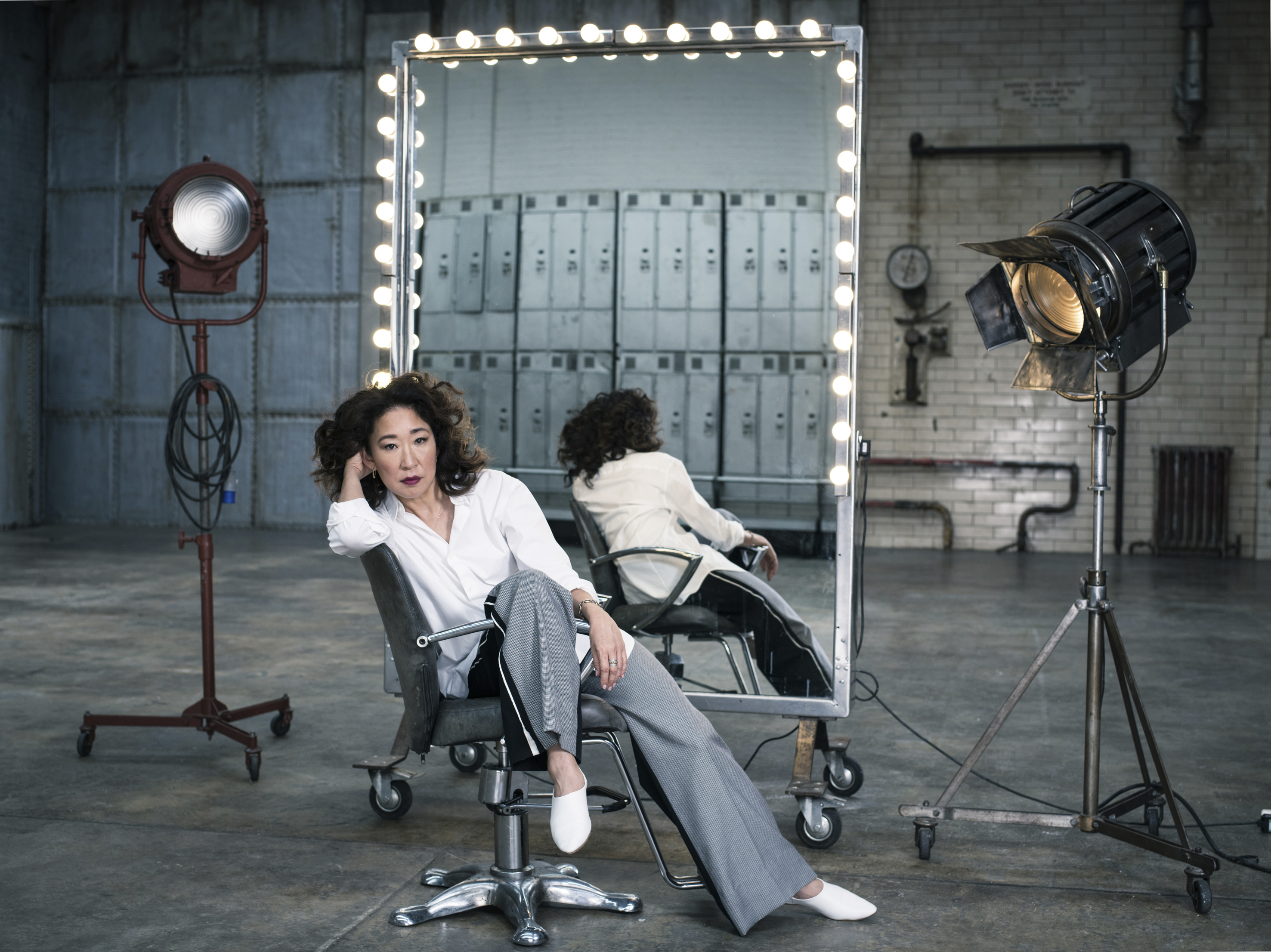
Her portraits of Amy Winehouse, Yoko Ono, Kate Moss, Helena Bonham Carter and Sandra Oh, all included in the forthcoming Stardust exhibition at Hundred Heroines in Gloucestershire, are studies in what happens when a photographer pursues the person behind the persona, rather than the image in front of it.
Surprising results
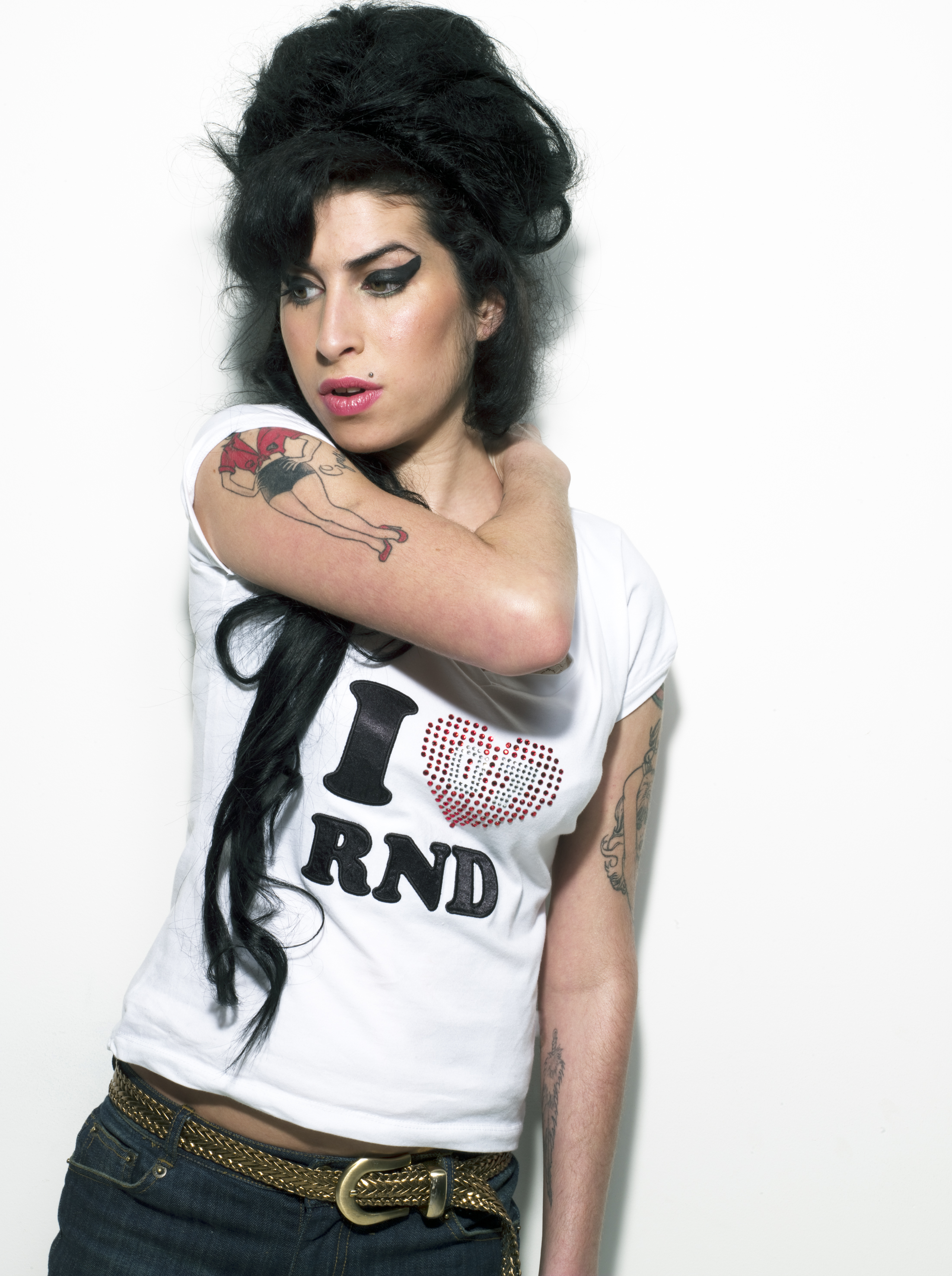
The results are consistently surprising. Winehouse, in a white crop top and towering beehive, arms folded and gaze averted, looks simultaneously iconic and guarded.
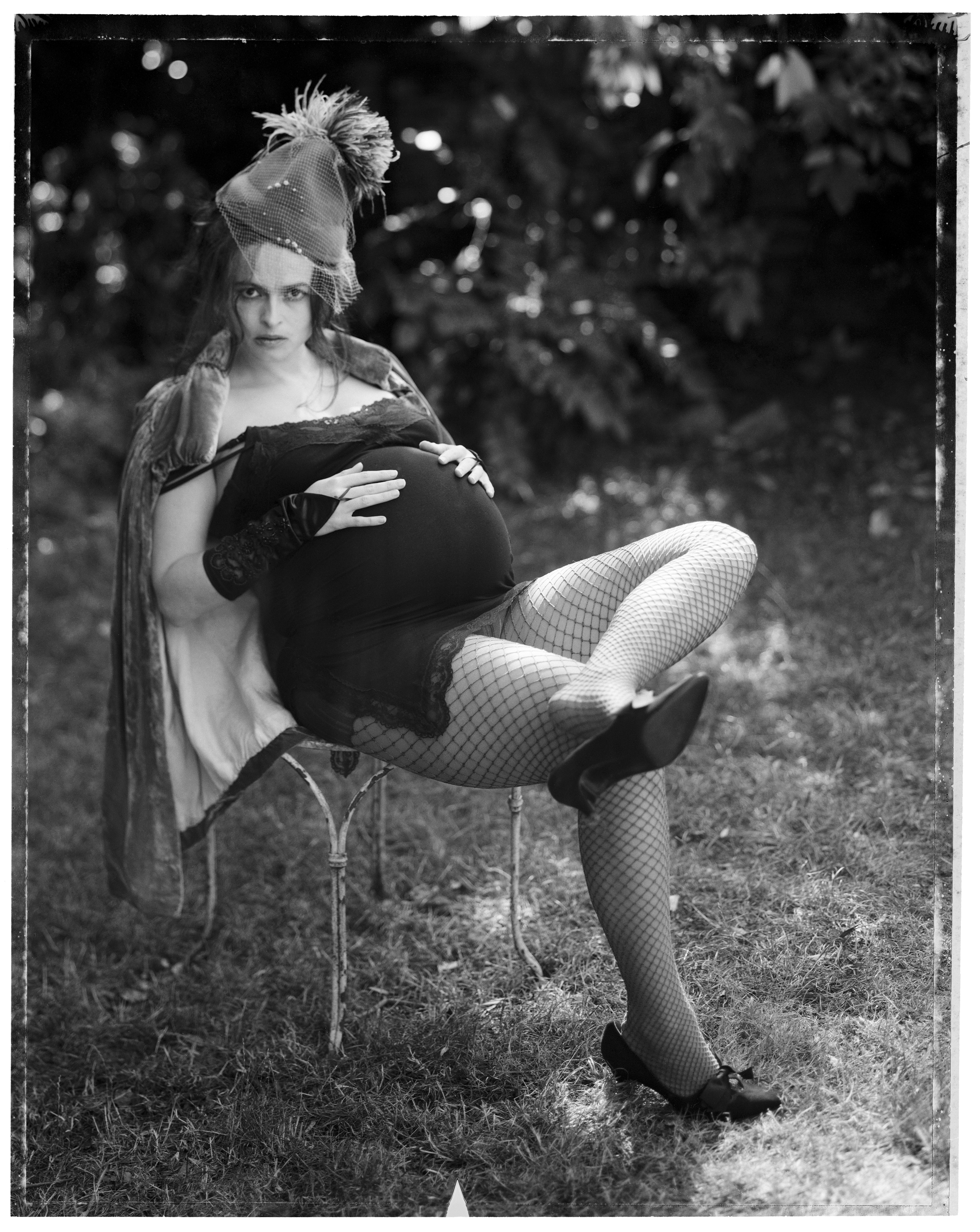
Bonham Carter, shot outdoors in black and white and visibly pregnant, is dressed in a feathered hat, fishnet tights and heels, perched on a garden chair. She appears theatrical and defiant, but shot with the quality of light and intimacy that feels nothing like a standard commission.
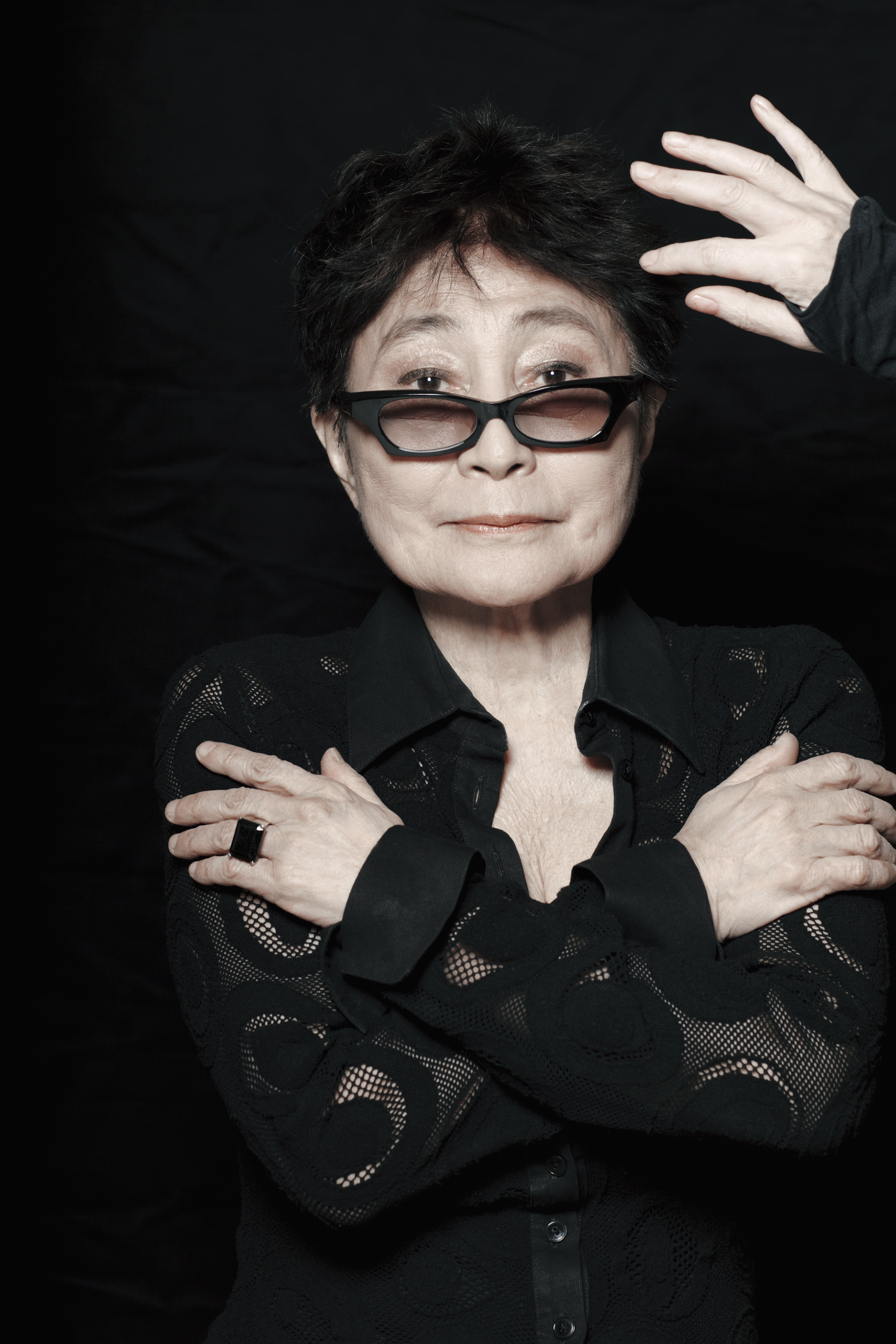
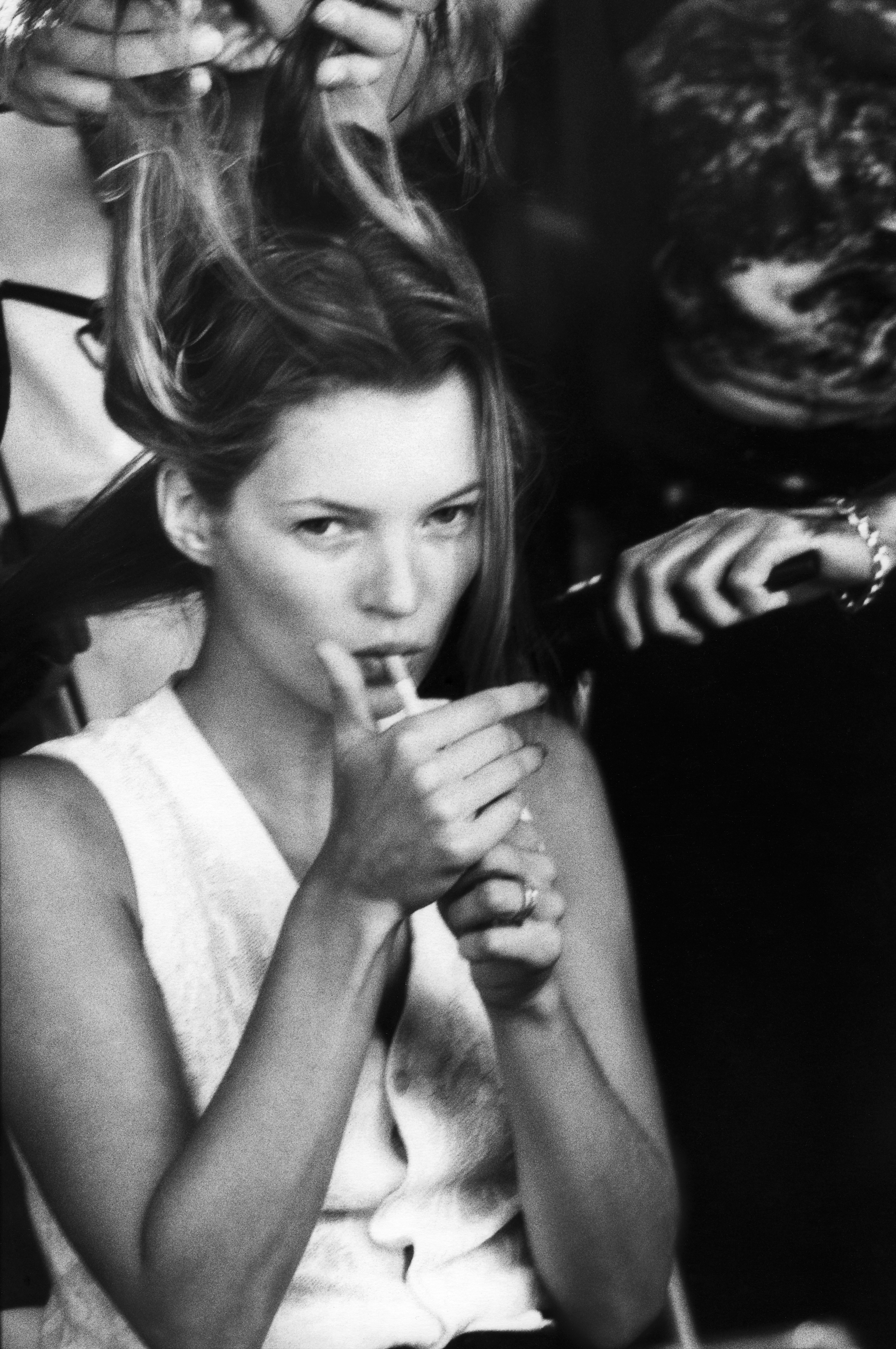
Yoko Ono faces the camera with arms crossed and one hand raised, as if conducting something inaudible. Kate Moss, caught in a crowd with a cigarette raised and hair mid-movement, looks as if nobody told her a photograph was being taken.
How Edelstein works
Born in Cape Town, Edelstein began her career as a press photographer before moving to London in the 1980s to study photojournalism. That background is relevant: press photography trains you to read situations quickly, to find the moment within the chaos rather than manufacturing one from scratch. Her portraits carry that quality, a sense of observation rather than construction, even when they're clearly set up.
Her most significant project to date, the book Truth and Lies (2002), documented the South African Truth and Reconciliation Commission between 1996 and 2002, and won the John Kobal Book Award.
It's a long way from celebrity portraiture in subject matter, but the underlying approach is the same: find the human truth in the situation, however difficult or complex, and let the image carry it.
"My portraits included here reflect the humanity behind the mask of celebrity, the person behind the persona," she says. "We see them as more than the fame, more than the hype of modern-day fame. They become real and infinitely more moving as a result."
The exhibition
Stardust: 100 years of stage, screen and celebrity runs from September 11 to November 20 at the Hundred Heroines Photo Museum in Nailsworth, Gloucestershire, with Edelstein's portraits displayed in the outdoor Art Garden at Mortimer Gardens nearby.
The exhibition also features archive material from Elisabeth Buchmeyer-Lewis, whose images of the music scene of the late 1970s and early 1980s, including a previously unseen contact sheet and performance photographs of Ian Dury, bring a rawer, more immediate energy alongside Edelstein's formal precision.
Hundred Heroines is the UK's only museum and charity dedicated to women in photography, and Stardust is the inaugural show in its new, larger, single-level gallery space. Entry is free; open Thursday to Saturday, 11am to 4pm.