Legal experts called by Democrats tell Congress that Trump's actions are impeachable
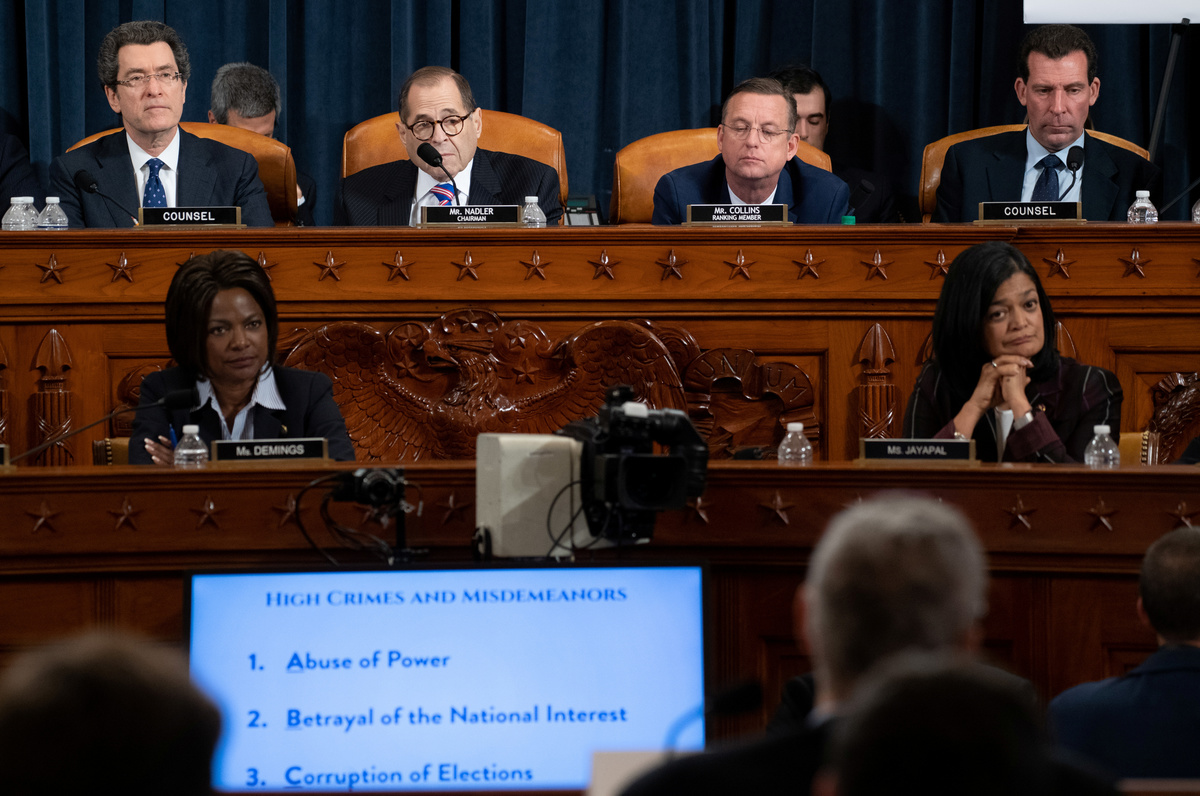
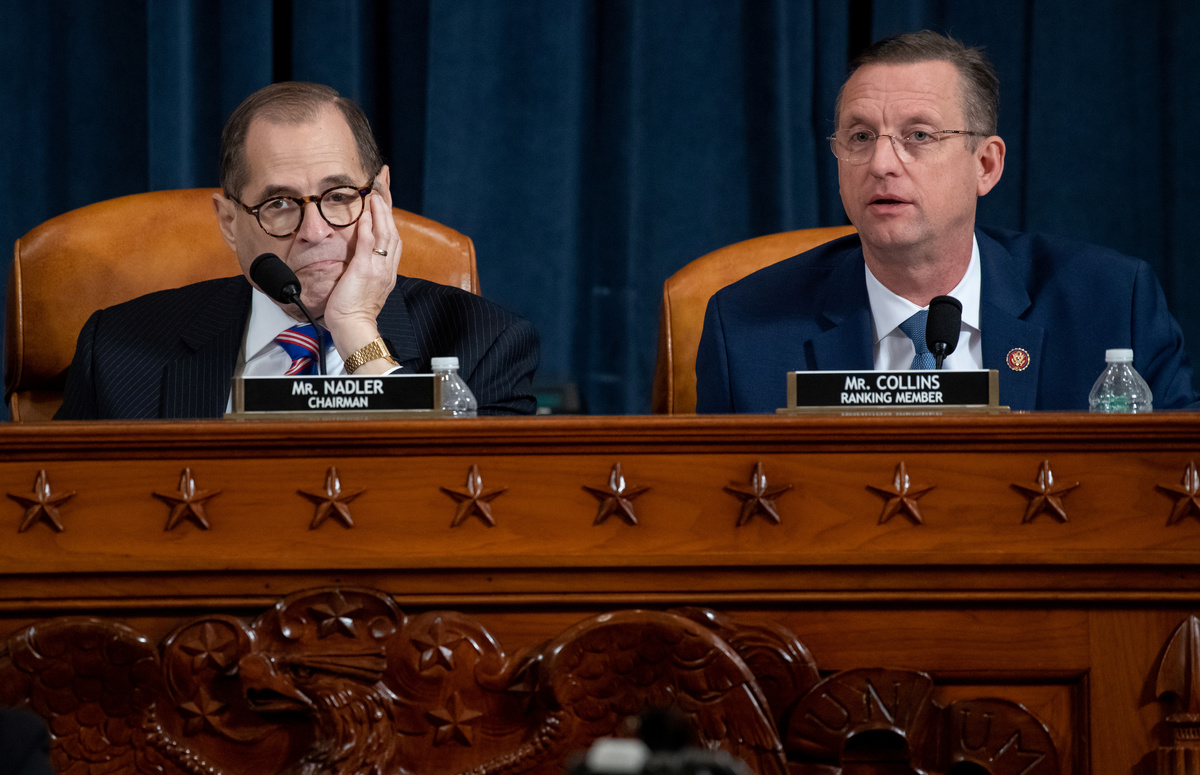
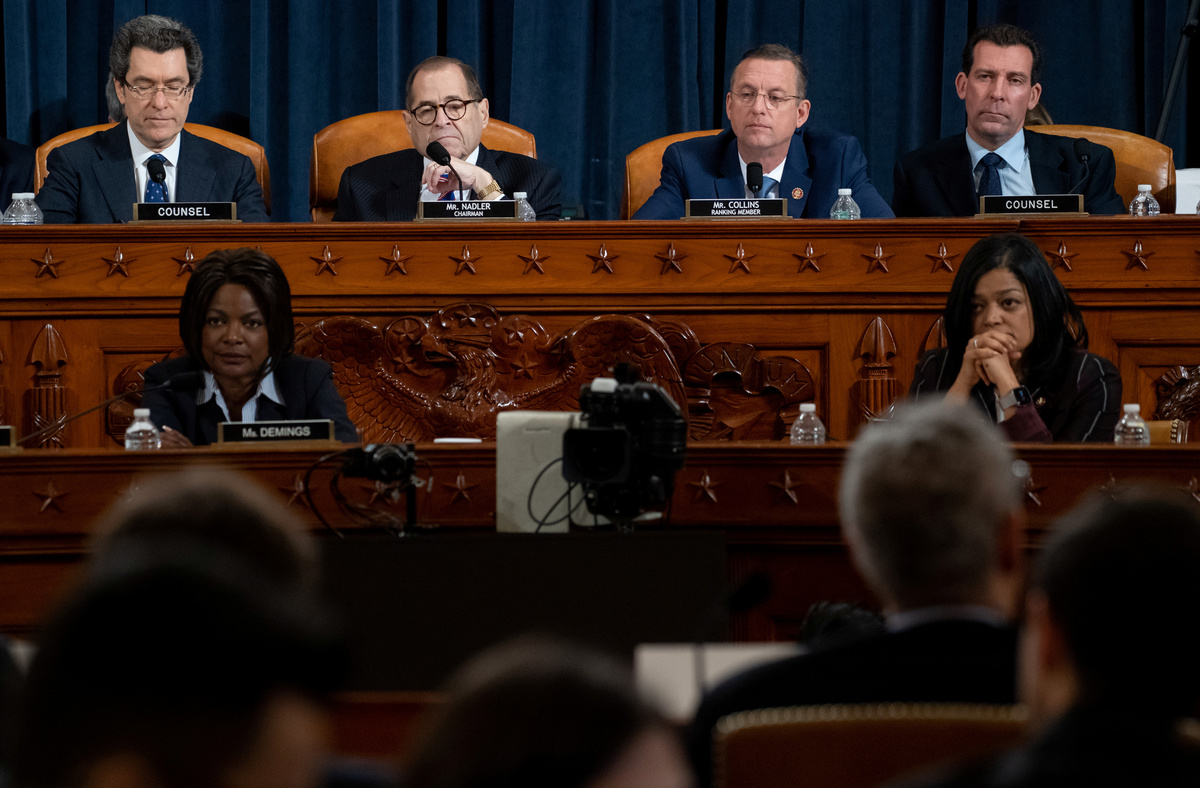
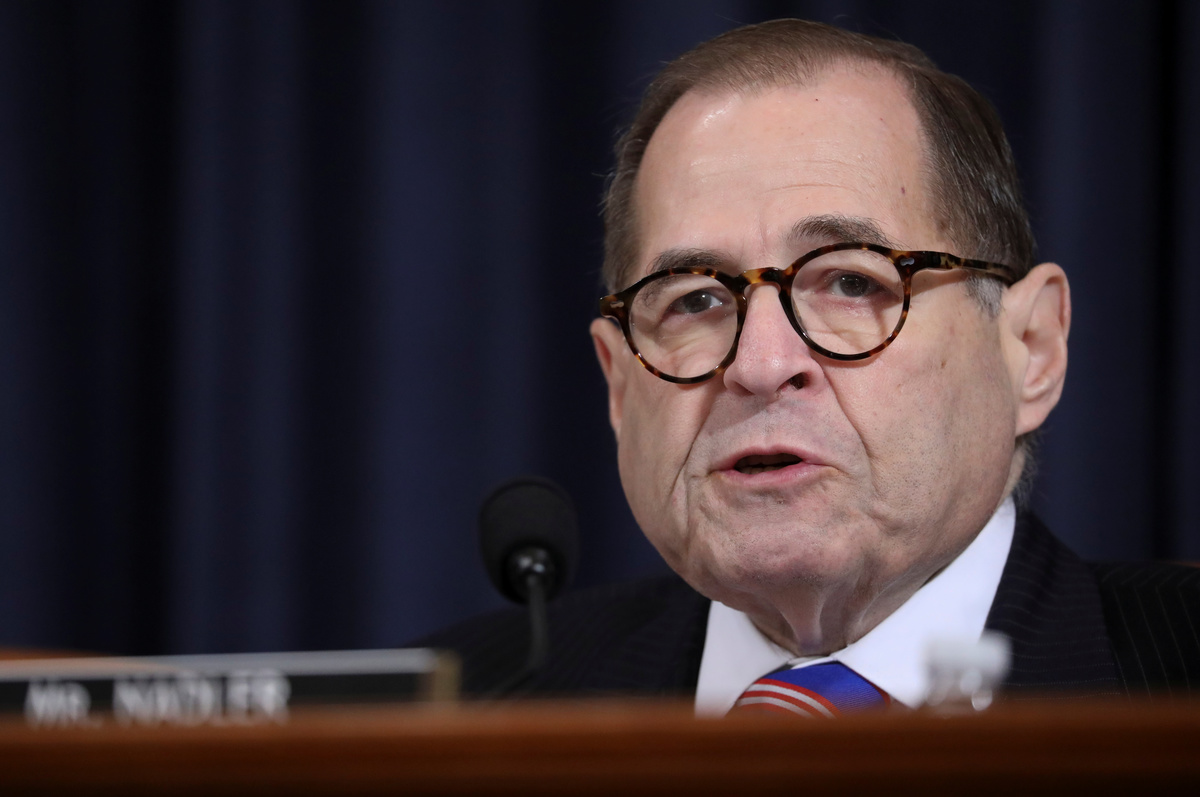
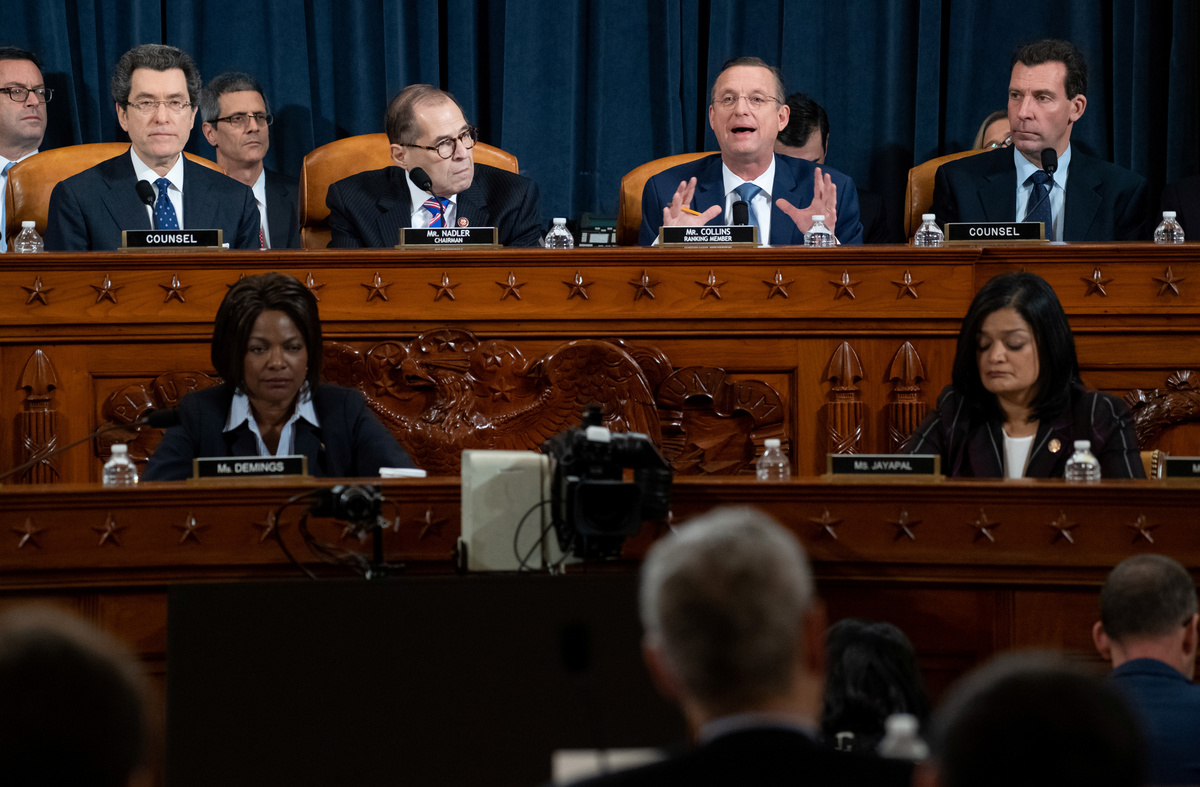
House Judiciary Chairman Jerrold Nadler (2nd L), Democrat of New York, and Ranking Member Doug Collins (2nd R), Republican of Georgia, attend a House Judiciary Committee hearing on the impeachment of US President Donald Trump on Capitol Hill in Washington, DC, December 4, 2019. Saul Loeb/Pool via REUTERS
WASHINGTON (Reuters) - Three legal experts told U.S. lawmakers on Wednesday that President Donald Trump's efforts to pressure Ukraine to investigate a political rival amounted to impeachable offenses, in a hearing that laid the groundwork for formal charges to be filed against the president.
Democrats on the House of Representatives Judiciary Committee said they may look beyond Trump's relations with Ukraine as they draw up articles of impeachment, to include his earlier efforts to impede former Special Counsel Robert Mueller's investigation of his campaign's relations with Russia
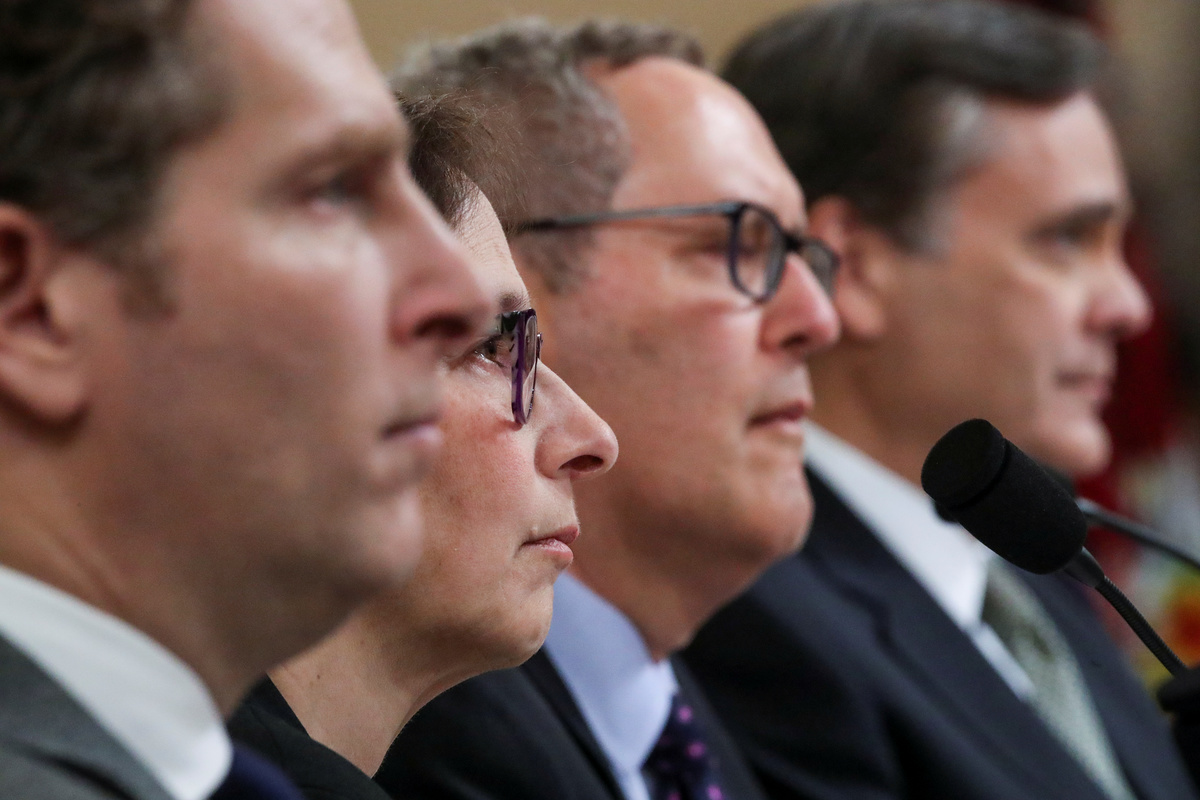
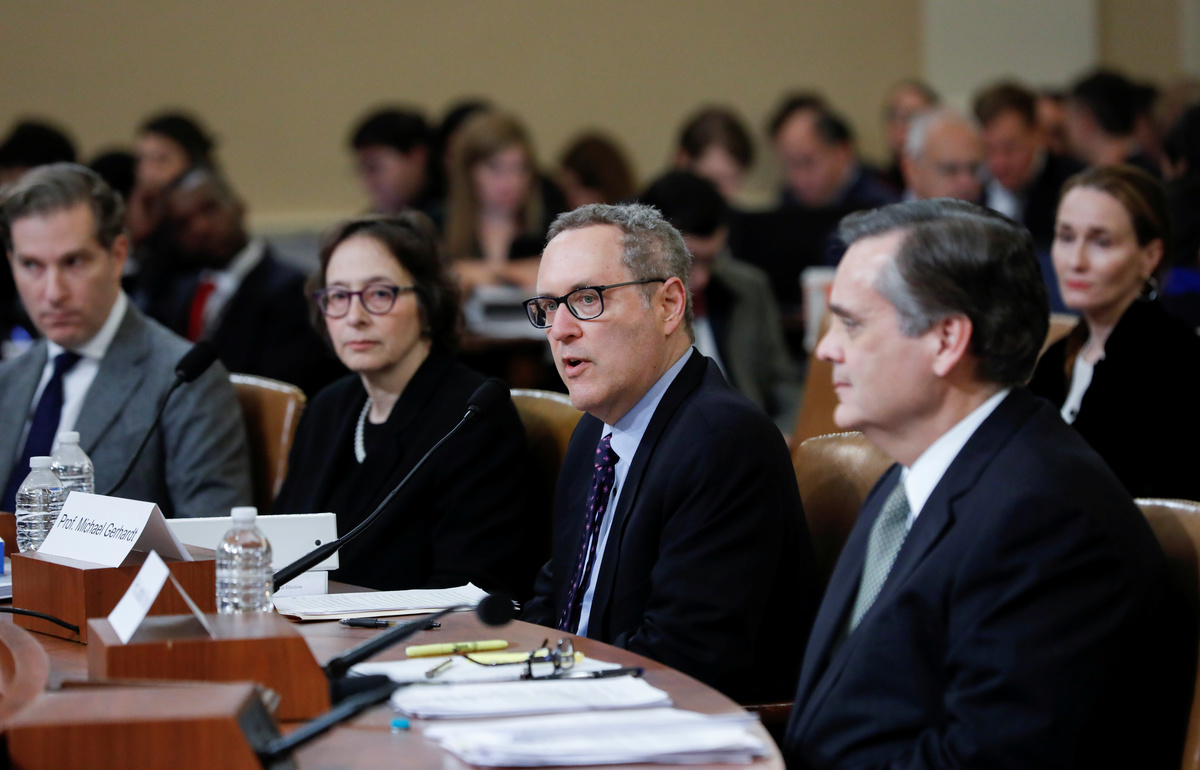
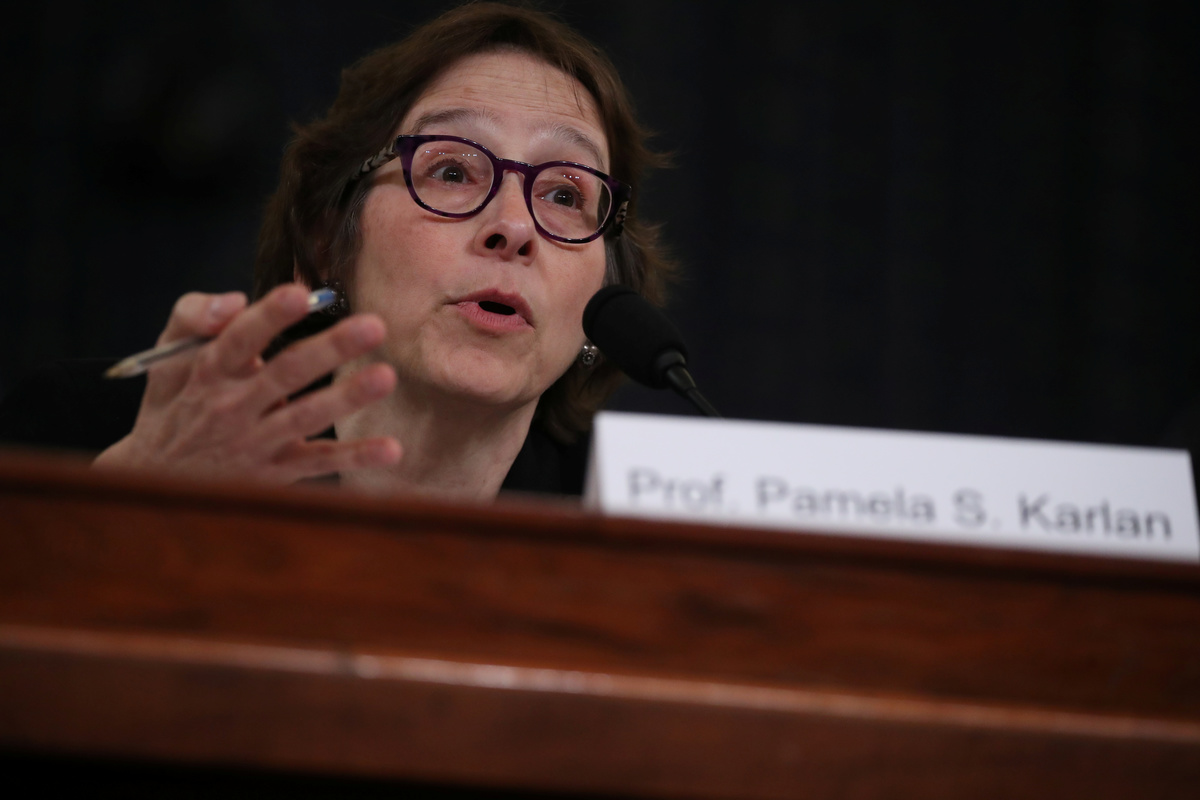
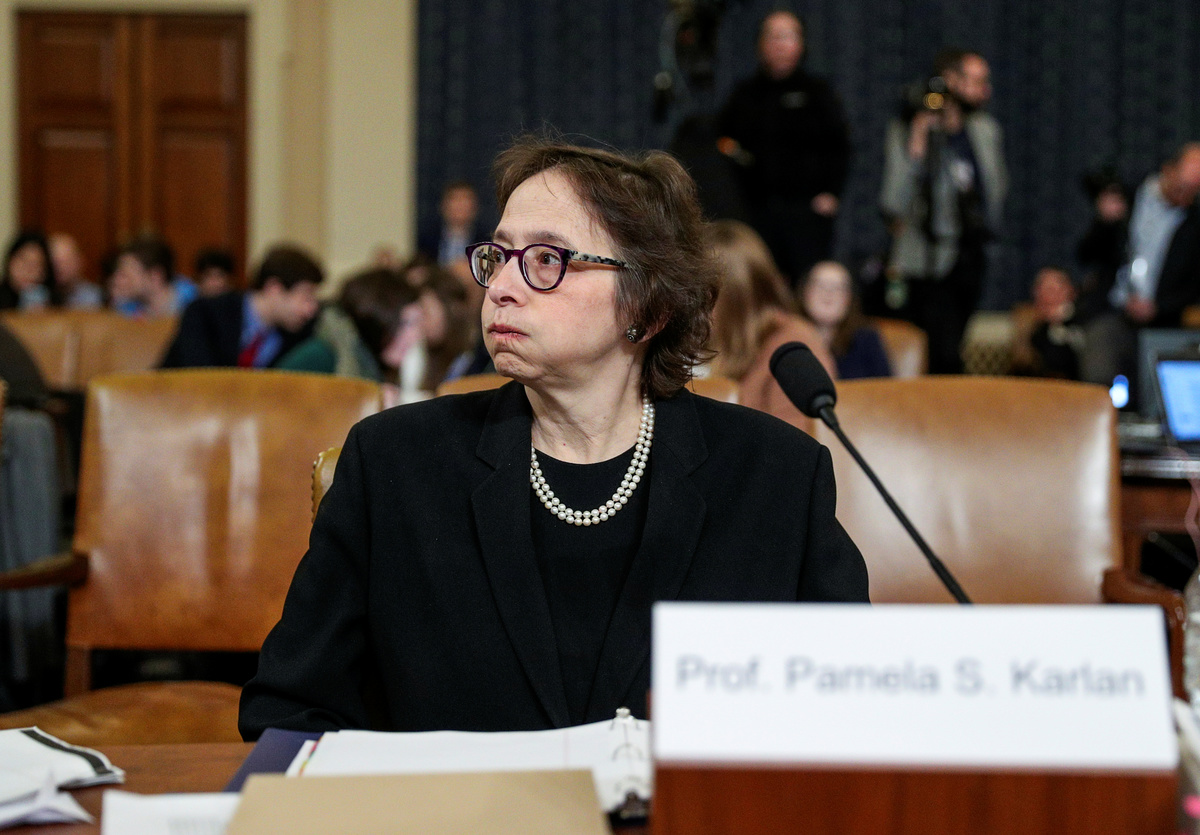
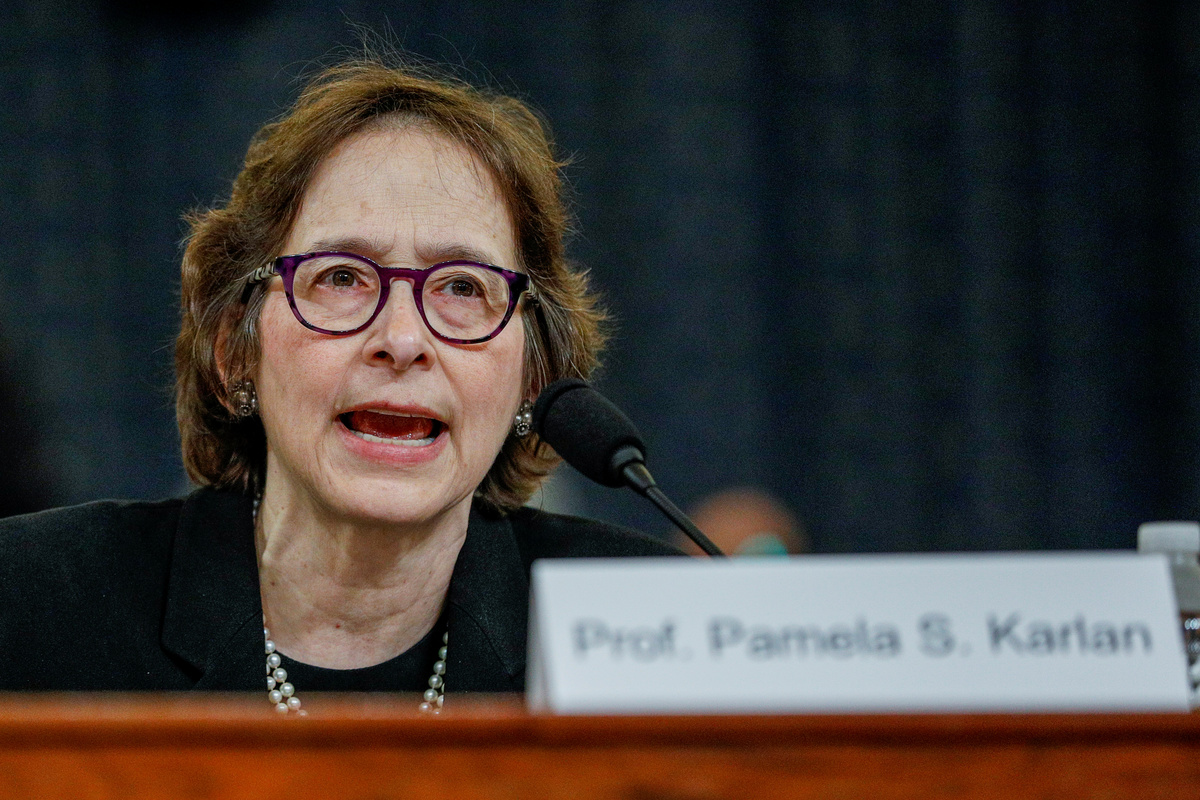
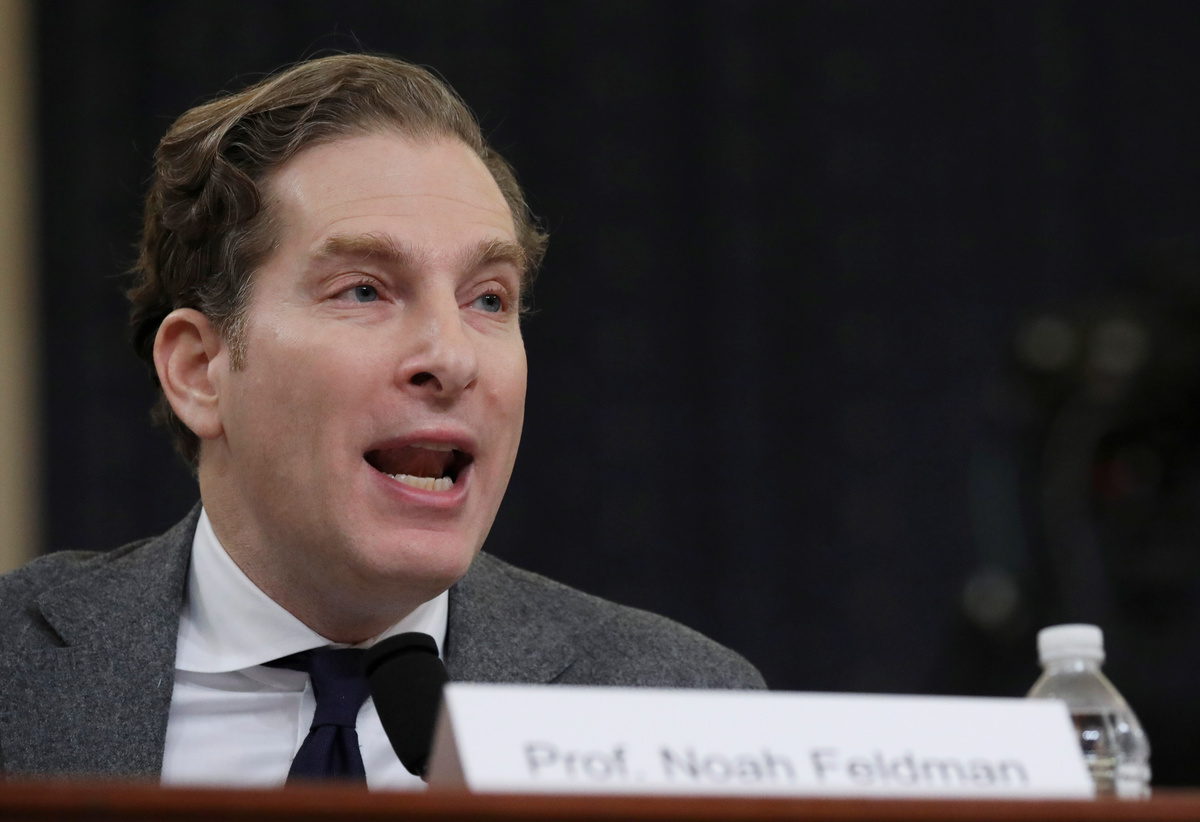
Pamela Karlan, co-director of the Supreme Court Litigation Clinic at Stanford University Law School, sits among witnesses Noah Feldman, a professor of law at Harvard University Law School; Michael Gerhardt, professor of law at University of North Carolina School of Law; and Jonathan Turley, professor of law at George Washington University Law School, during a House Judiciary Committee hearing on the impeachment Inquiry into U.S. President Donald Trump on Capitol Hill in Washington, U.S., December 4, 2019. REUTERS/Jonathan Ernst
"The president's alleged offenses represent a direct threat to the constitutional order," Judiciary Committee Chairman Jerrold Nadler said.
The impeachment inquiry, launched in September, focuses on Trump's request that Ukraine conduct investigations that could harm political rival Joe Biden, a leading contender for the Democratic 2020 presidential nomination.
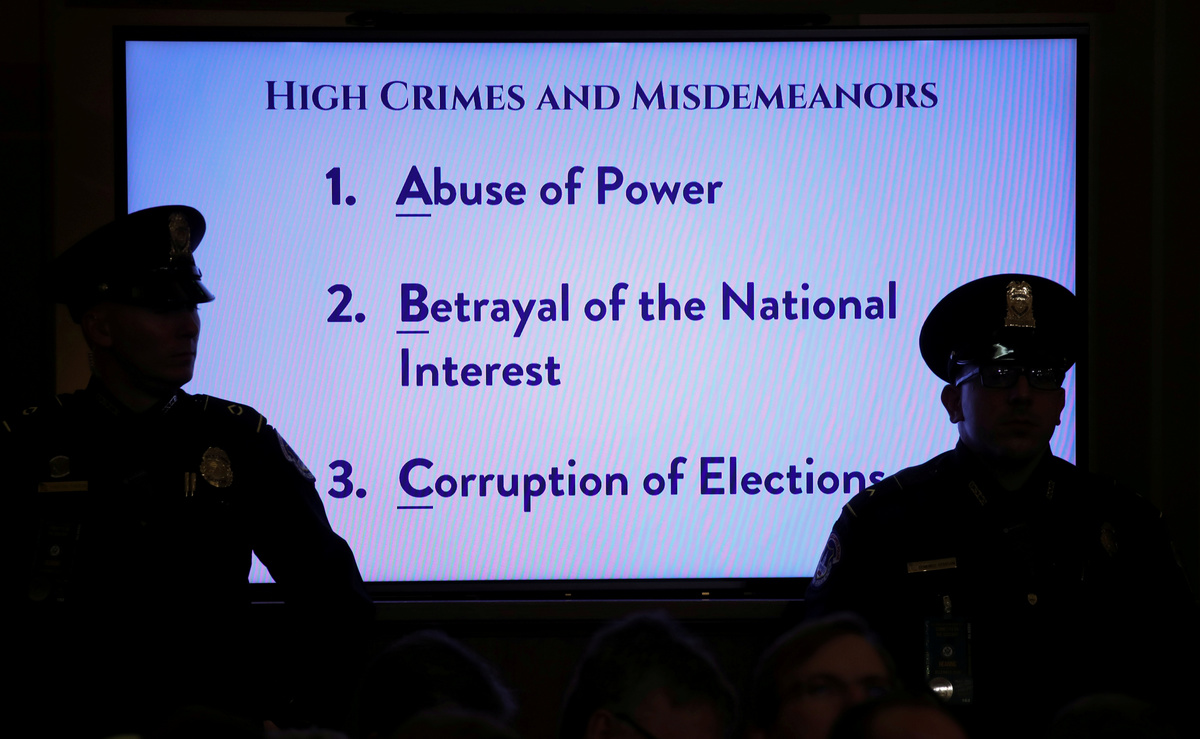
The hearing on Wednesday was the committee's first to examine whether Trump's actions qualify as "high crimes and misdemeanors" punishable by impeachment under the U.S. Constitution.
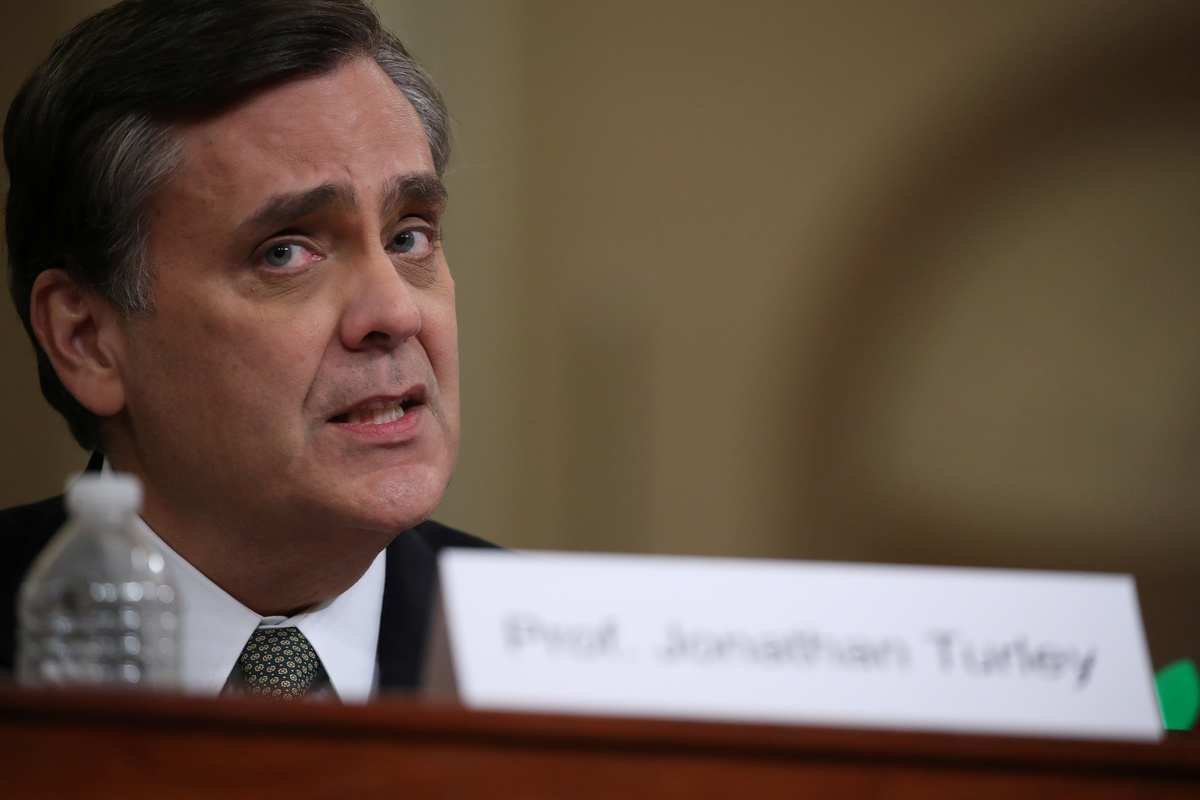
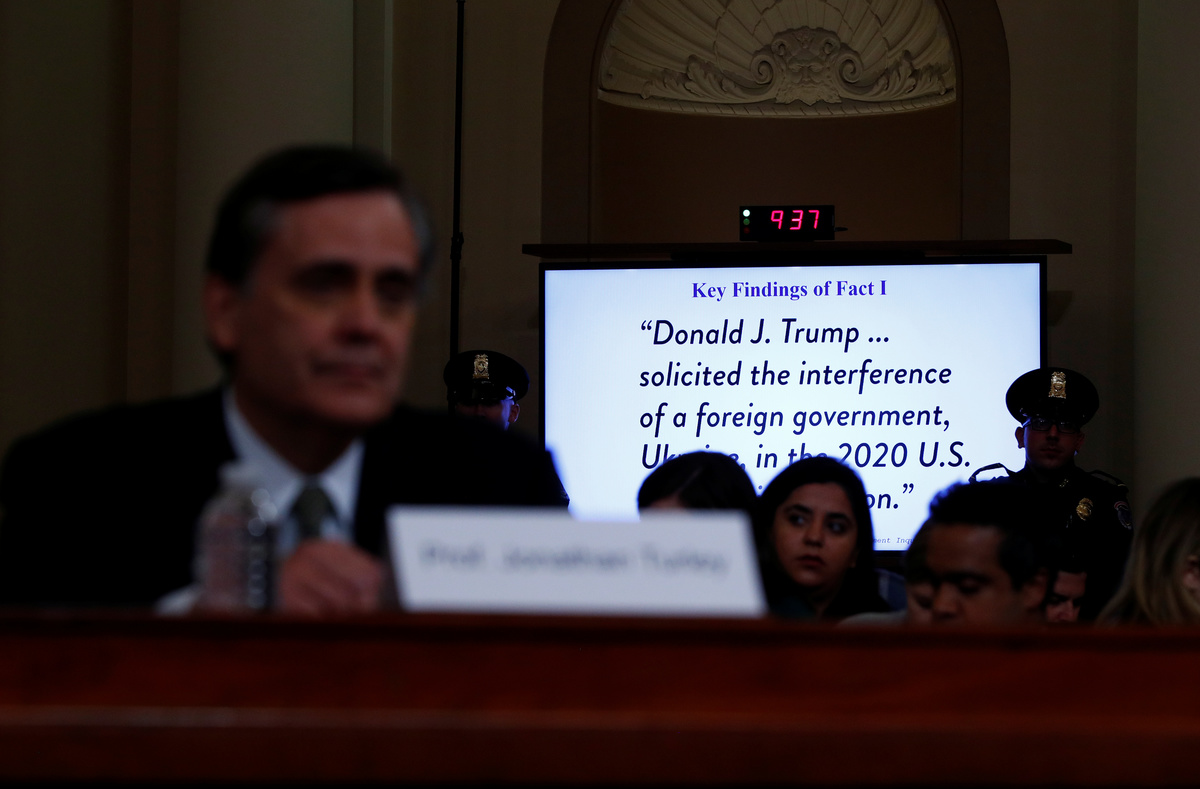
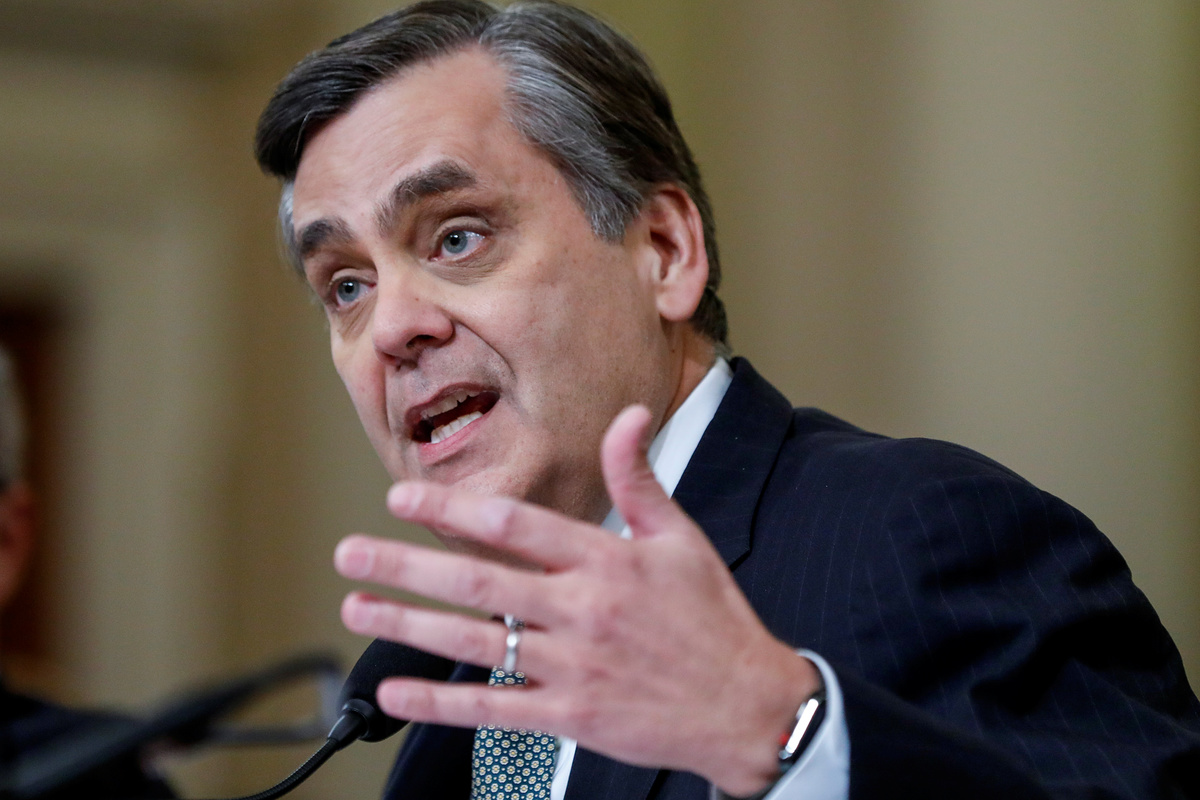
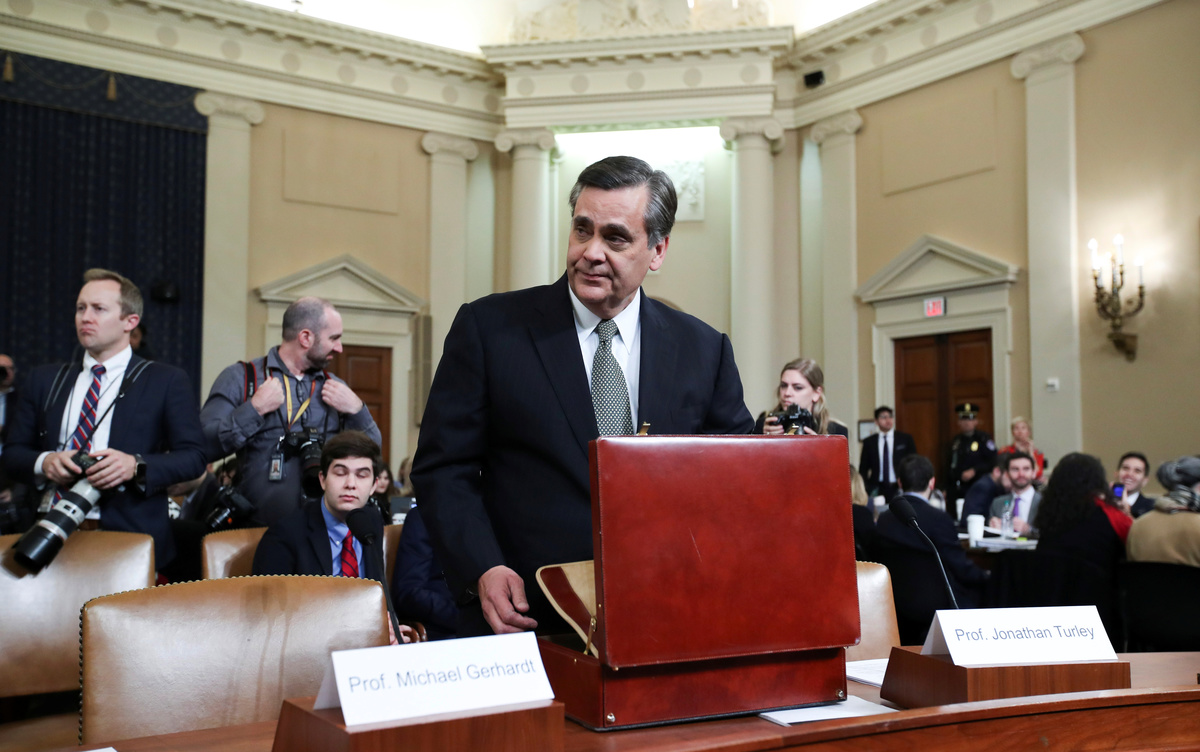
Jonathan Turley, professor of law at George Washington University Law School, testifies during a House Judiciary Committee hearing on the impeachment inquiry into U.S. President Donald Trump on Capitol Hill in Washington, U.S., December 4, 2019. REUTERS/Jonathan Ernst?
Three law professors chosen by the Democrats made clear during the lengthy session that they believed Trump's actions constituted impeachable offenses.
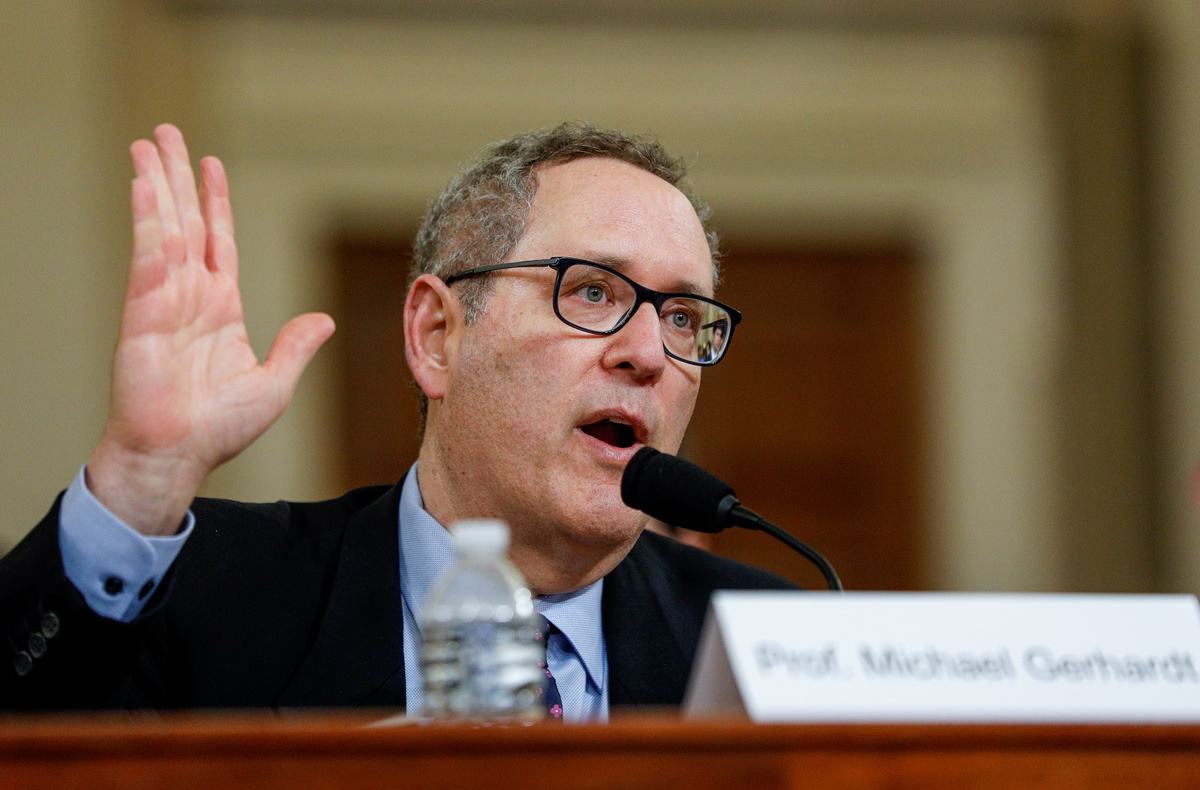
"If what we're talking about is not impeachable, then nothing is impeachable," said University of North Carolina law professor Michael Gerhardt.
But George Washington University law professor Jonathan Turley, who was invited by the Republicans, said he did not see clear evidence of illegal conduct. He said the inquiry was moving too quickly and lacked testimony from people with direct knowledge of the relevant events.
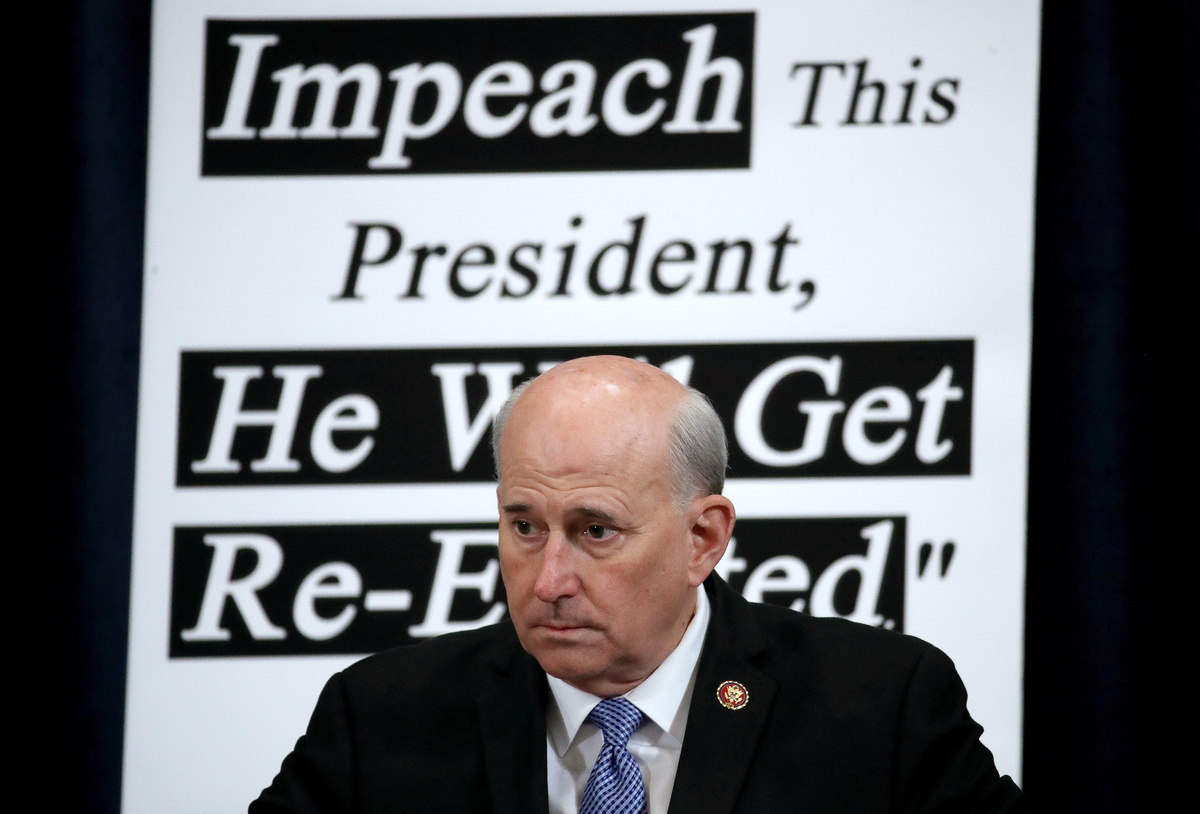
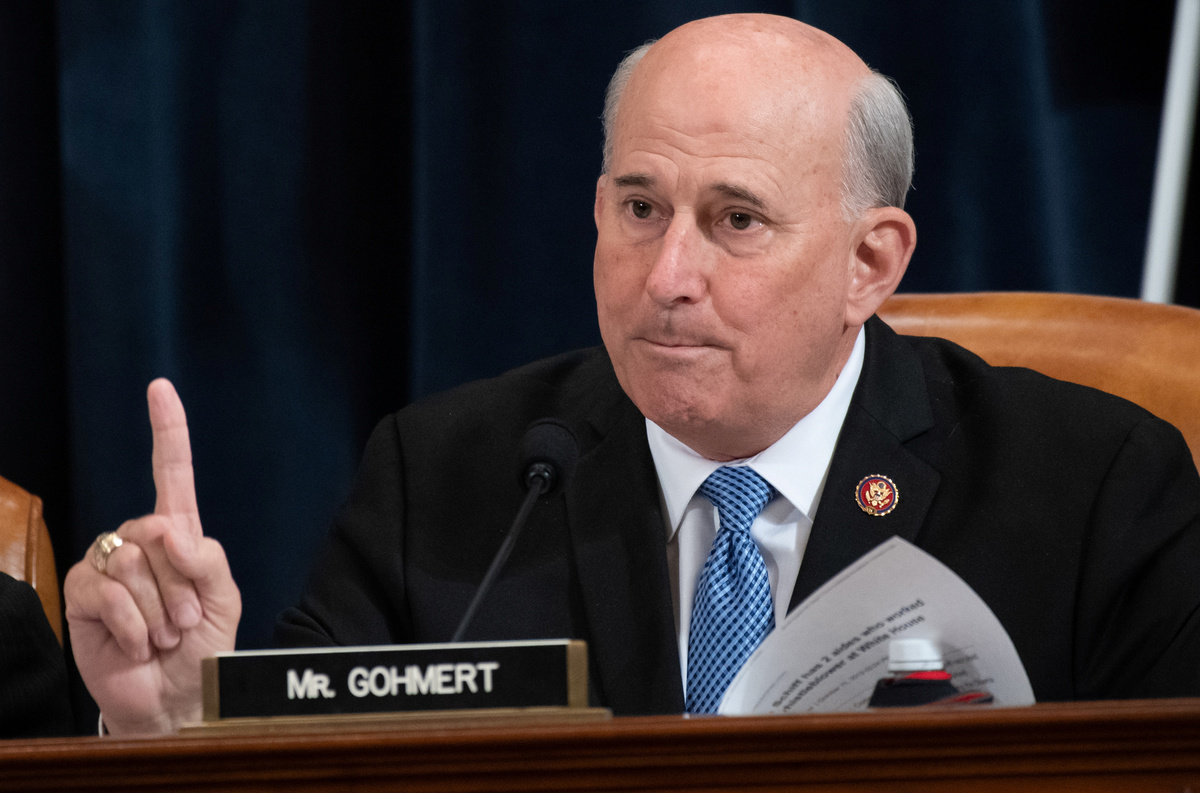
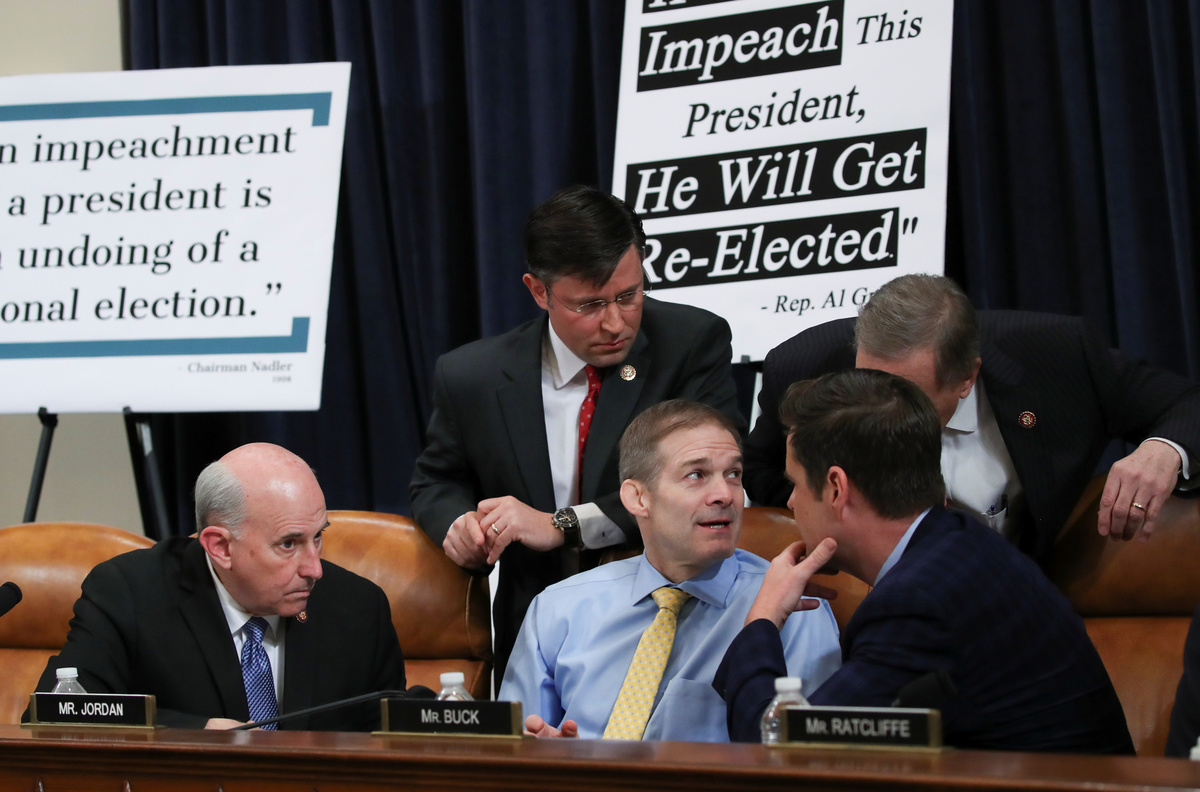
Representative Louie Gohmert (R-TX) listens as constitutional scholars testify during a House Judiciary Committee hearing on the impeachment of US President Donald Trump on Capitol Hill in Washington, DC, December 4, 2019. Drew Angerer/Pool via REUTERS
"One can oppose President Trump's policies or actions but still conclude that the current legal case for impeachment is not just woefully inadequate, but in some respects, dangerous, as the basis for the impeachment of an American president," said Turley, who added that he did not vote for Trump.
Trump has denied wrongdoing.
In London for a NATO meeting, he called a report by House Democrats released on Tuesday that laid out possible grounds for impeachment a "joke" and appeared to question the patriotism of the Democrats, asking: "Do they in fact love our country?"
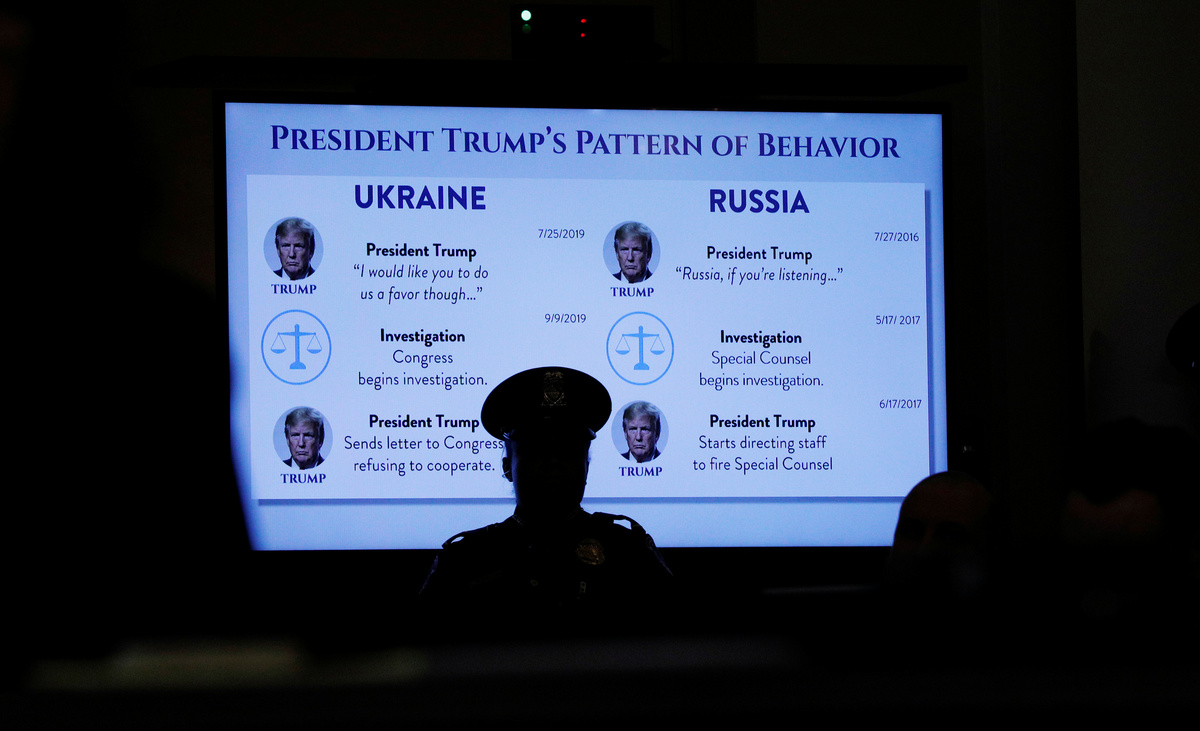
A graphic referring to "President Trump's Pattern of Behavior" is seen on a video screen behind a U.S. Capitol police officer during the House Judiciary Committee's first hearing on the impeachment inquiry into President Trump on Capitol Hill in Washington, U.S., December 4, 2019. REUTERS/Tom Brenner
EXTENDING FOCUS BEYOND UKRAINE?
Democrats who control the House may vote by the end of the year on impeachment charges that could include abuse of power, bribery, obstruction of Congress and obstruction of justice. Lawmakers say no decision has been made at this point.
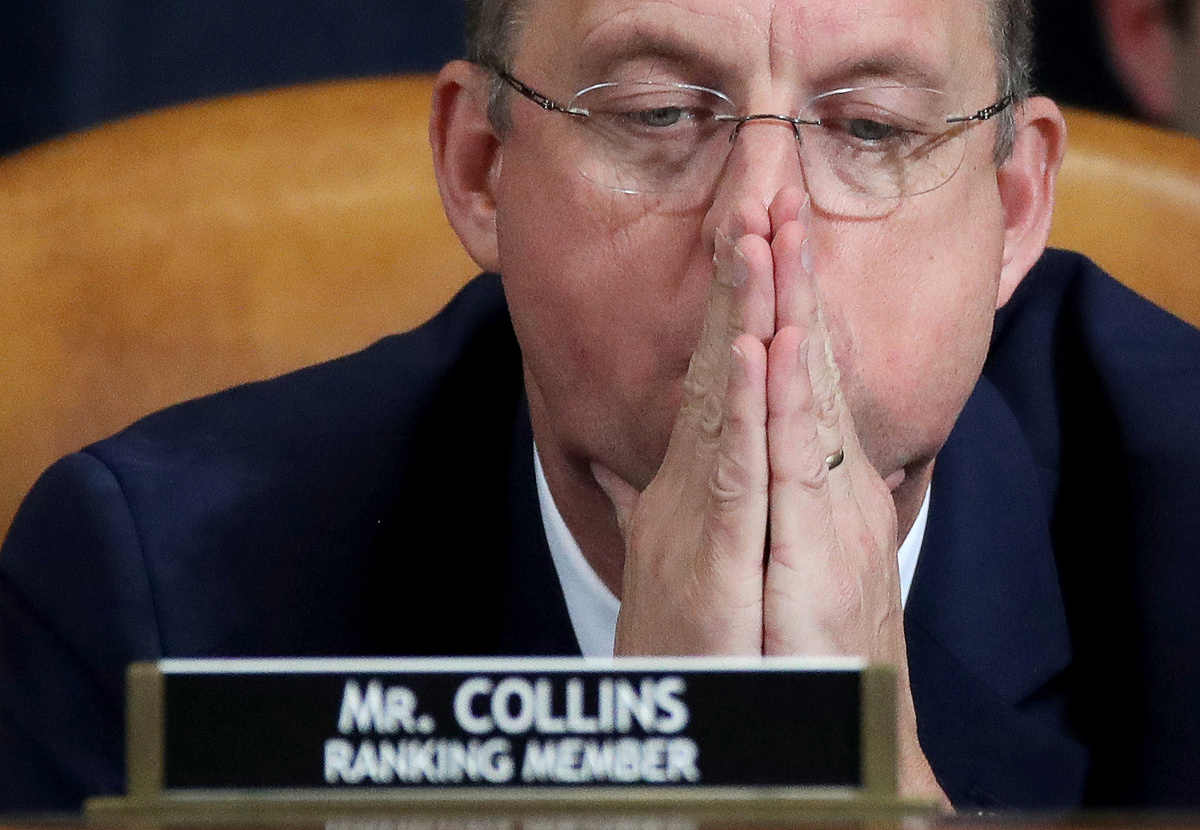
Committee ranking member Representative Doug Collins (R-GA) listens as constitutional scholars testify during a House Judiciary Committee hearing on the impeachment of US President Donald Trump on Capitol Hill in Washington, DC, U.S. December 4, 2019. Drew Angerer/Pool via REUTERS
Democratic aides said Trump's efforts to pressure Ukraine echoed his attempts to impede Mueller's investigation. Both episodes, they said, demonstrated a pattern of behavior by which Trump invited foreign governments to interfere in U.S. elections and obstructed investigations into his actions.
But they stopped short of saying it could form the basis for a separate article of impeachment.
Moderate Democrats might not back that approach. "We have been taking the country down this road on this very targeted issue of Ukraine," said Democratic Representative Elissa Slotkin, who won a Republican-controlled seat in Michigan last year. "And that's what I think we should focus on."
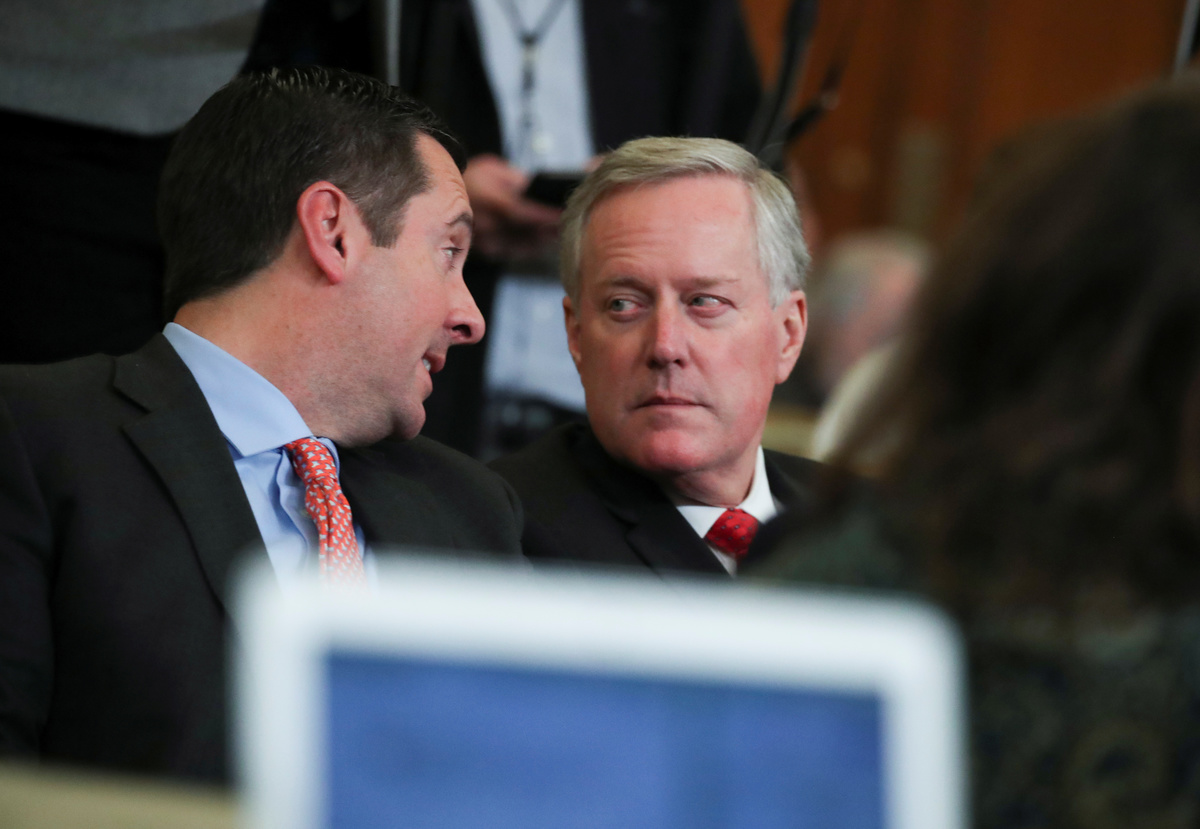
House Intelligence Committee ranking member Rep. Devin Nunes (R-CA) sits in the audience with Rep. Mark Meadows (R-NC) during the House Judiciary Committee's first hearing on the impeachment inquiry into President Trump on Capitol Hill in Washington, U.S., December 4, 2019. REUTERS/Jonathan Ernst
If the House votes to impeach Trump, the Republican-controlled Senate would have to vote on whether to remove him from power. Republicans in both chambers have stuck with the president, blasting the impeachment effort as an attempt to undo his surprise victory in the 2016 election.
"The evidence against the president is really about policy differences," said Representative Doug Collins, the committee's top Republican.
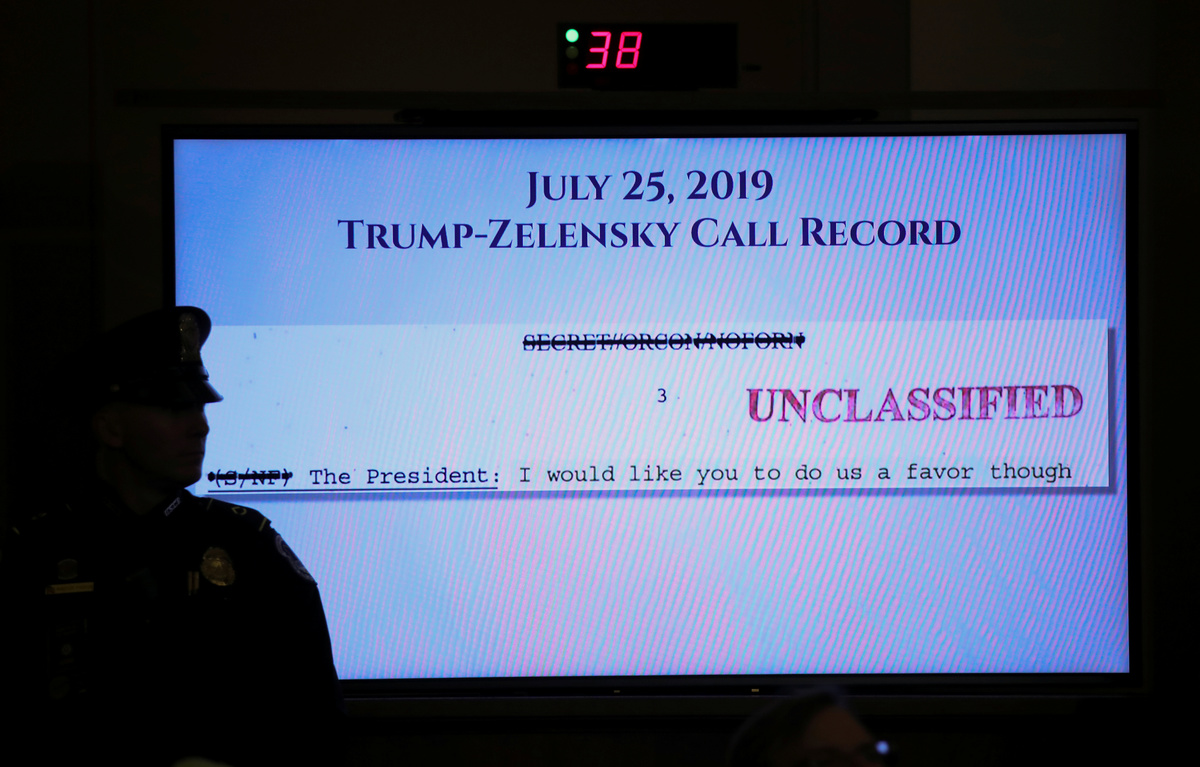
The inquiry's focus is a July 25 telephone call in which Trump asked Ukrainian President Volodymyr Zelenskiy to open an investigation into Biden and his son Hunter Biden and into a discredited theory that Ukraine, not Russia, meddled in the 2016 U.S. election.
Michael Gerhardt, professor of law at University of North Carolina School of Law, testifies as he sits among fellow witnesses Noah Feldman, professor of law at Harvard University Law School, Pamela Karlan, co-director of the Supreme Court Litigation Clinic at Stanford University Law School and Jonathan Turley, professor of law at George Washington University Law School, during the first House Judiciary Committee hearing on the impeachment inquiry into U.S. President Donald Trump on Capitol Hill in Washington, U.S., December 4, 2019. REUTERS/Mike Segar
Hunter Biden had joined the board of Ukrainian energy company Burisma while his father was U.S. vice president. Trump has accused the Bidens of corruption without offering evidence. They have denied wrongdoing.
Democrats have accused Trump of abusing his power by withholding $391 million in security aid to Ukraine - a U.S. ally facing Russian aggression - to pressure Zelenskiy to announce that he was investigating Biden and the 2016 election.
Trump has instructed current and former members of his administration not to testify or produce documents, leading senior officials like Secretary of State Mike Pompeo to defy House subpoenas.
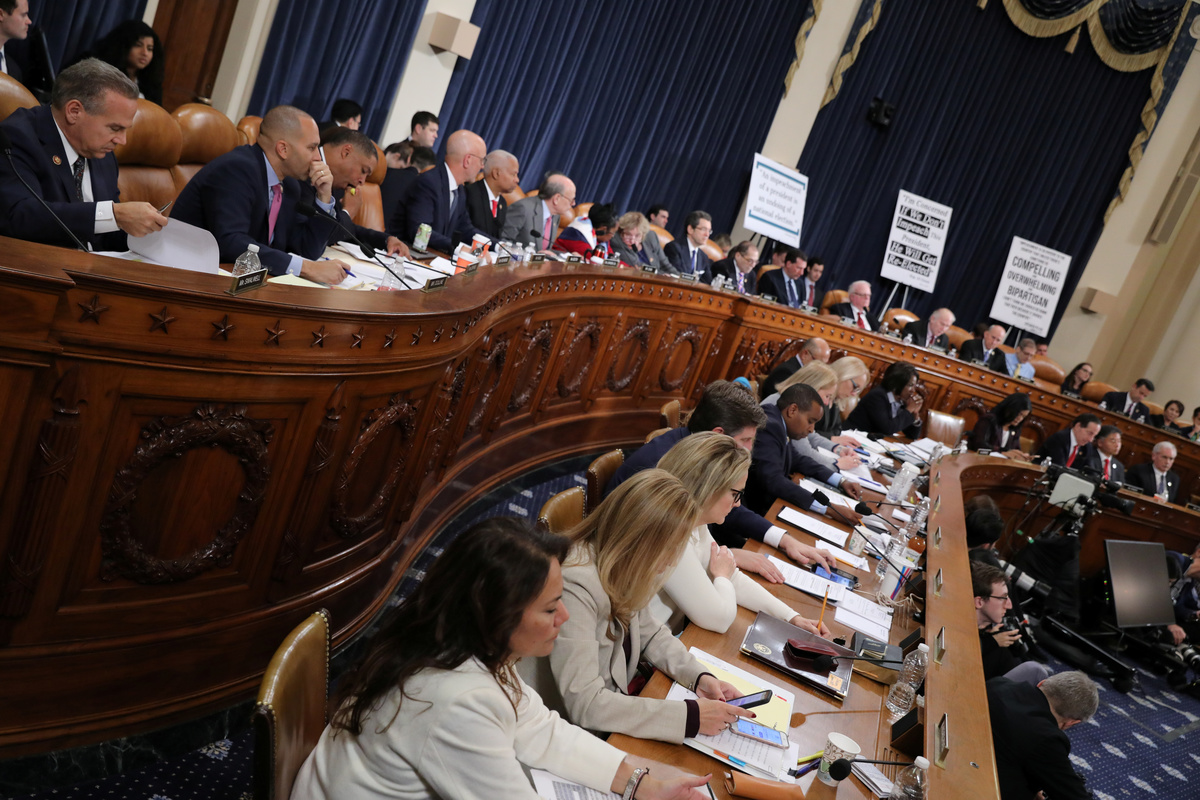
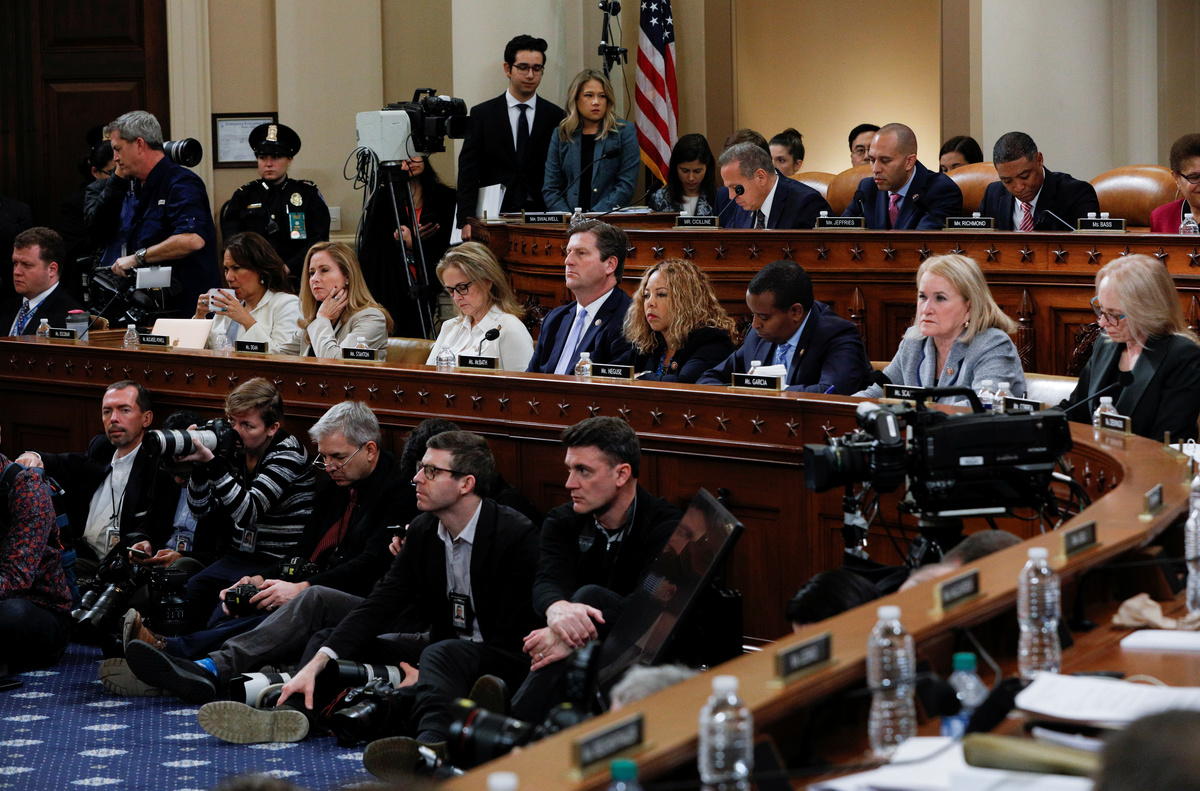
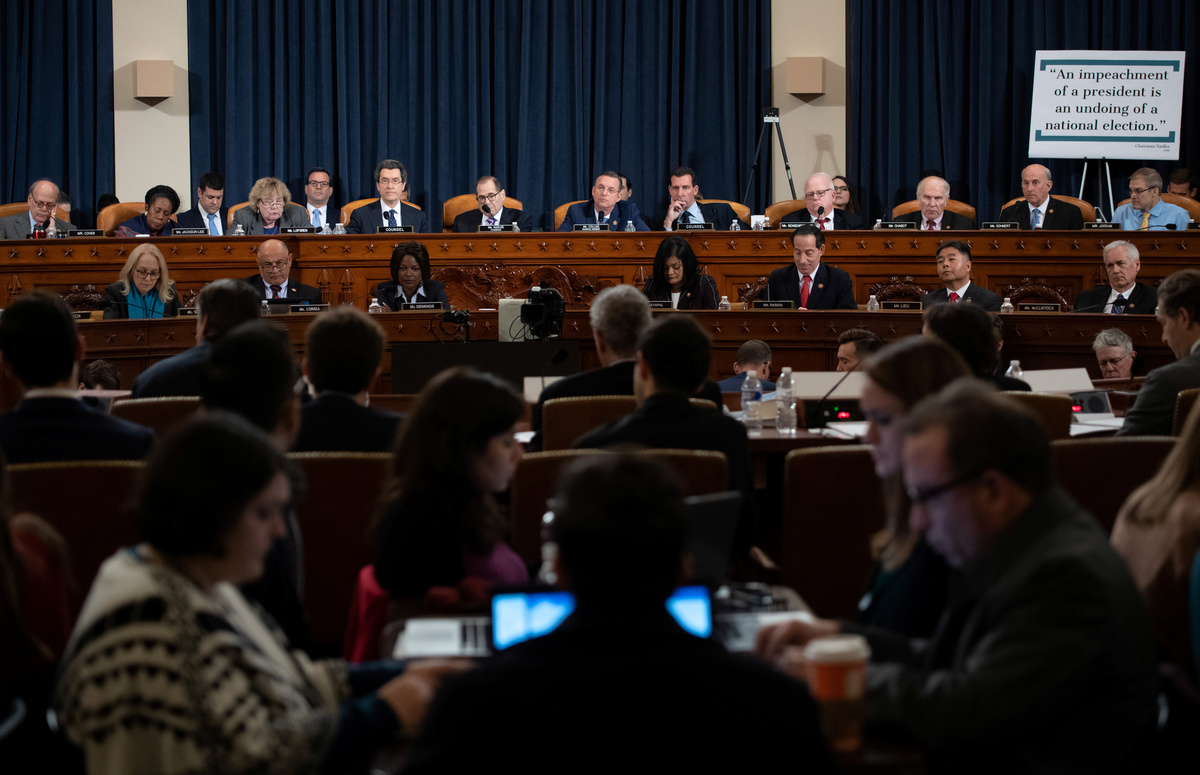
Members of the House Judiciary Committee staff members and journalists listen as constitutional scholars testify before the House Judiciary Committee hearing on the impeachment Inquiry into U.S. President Donald Trump on Capitol Hill in Washington, U.S., December 4, 2019. REUTERS/Jonathan Ernst
Republicans focused their questions on Turley, who largely backed up their view that Democrats had not made the case for impeachment - although he did say that leveraging U.S. military aid to investigate a political opponent "if proven, can be an impeachable offense."
Democrats sought to buttress their case by focusing their questions on the other three experts - Gerhardt, Harvard University law professor Noah Feldman and Stanford University law professor Pam Karlan - who said impeachment was justified.
Karlan drew a sharp response from Republicans for a remark about how Trump did not enjoy the unlimited power of a king.
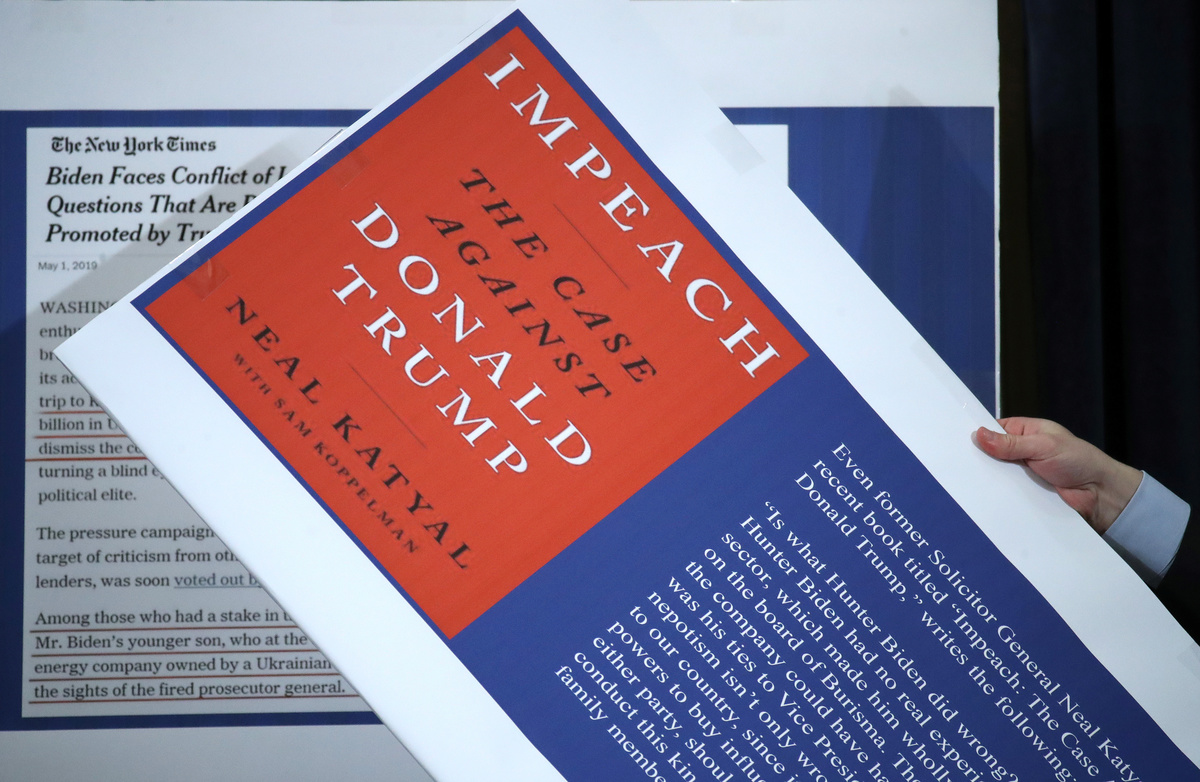
Committee staff move exhibits used at a hearing featuring constitutional scholars Noah Feldman of Harvard University, Pamela Karlan of Stanford University, Michael Gerhardt of the University of North Carolina, and Jonathan Turley of George Washington University while testifying before the House Judiciary Committee on the impeachment Inquiry into U.S. President Donald Trump on Capitol Hill in Washington, U.S., December 4, 2019. Drew Angerer/Pool via REUTERS
"While the president can name his son Barron, he can't make him a baron," she said.
White House spokeswoman Stephanie Grisham on Twitter called Karlan "classless," and first lady Melania Trump said Karlan should be "ashamed of your very angry and obviously biased public pandering" for mentioning her 13-year-old son.
Karlan later apologized for the remark.
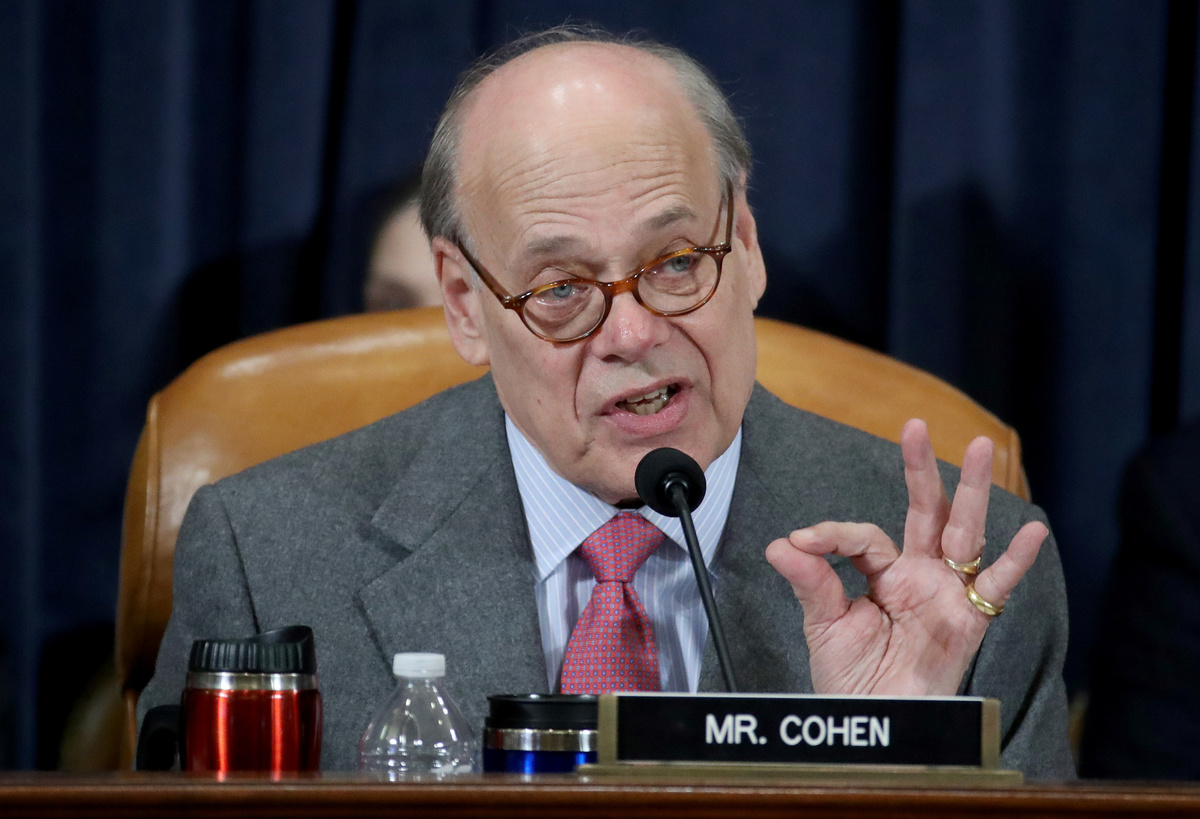
Rep. Steve Cohen (D-TN) questions constitutional scholars during testimony before the House Judiciary Committee hearing on the impeachment Inquiry into U.S. President Donald Trump on Capitol Hill in Washington, U.S., December 4, 2019. Drew Angerer/Pool via REUTERS
No president has ever been removed from office through impeachment, although Republican Richard Nixon resigned in 1974 after the House began the impeachment process in the Watergate corruption scandal. Two other presidents - Andrew Johnson and Bill Clinton - were impeached by the House but acquitted by the Senate.
The committee could soon recommend articles of impeachment against Trump, setting up a possible vote by the full House before Christmas, followed by a Senate trial in January.
U.S. Representative Louie Gohmert (R-TX) questions witnesses during a House Judiciary Committee hearing on the impeachment Inquiry into U.S. President Donald Trump on Capitol Hill in Washington, U.S., December 4, 2019. Saul Loeb/Pool via REUTERS
(Reporting by David Morgan and Susan Cornwell; Additional reporting by Patricia Zengerle, Doina Chiacu, Richard Cowan, Doina Chiacu and Lisa Lambert in Washington and Steve Holland in London; Writing by Alistair Bell and Andy Sullivan; Editing by Ross Colvin, Will Dunham and Peter Cooney)
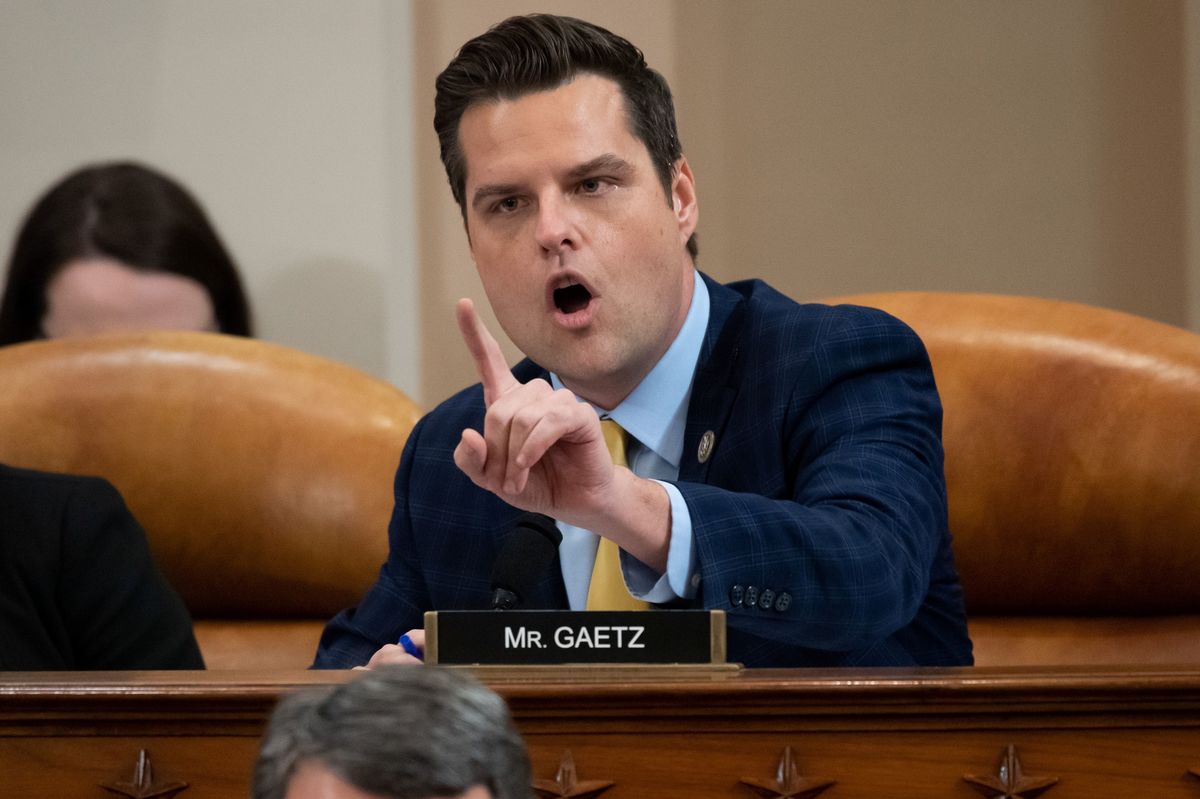
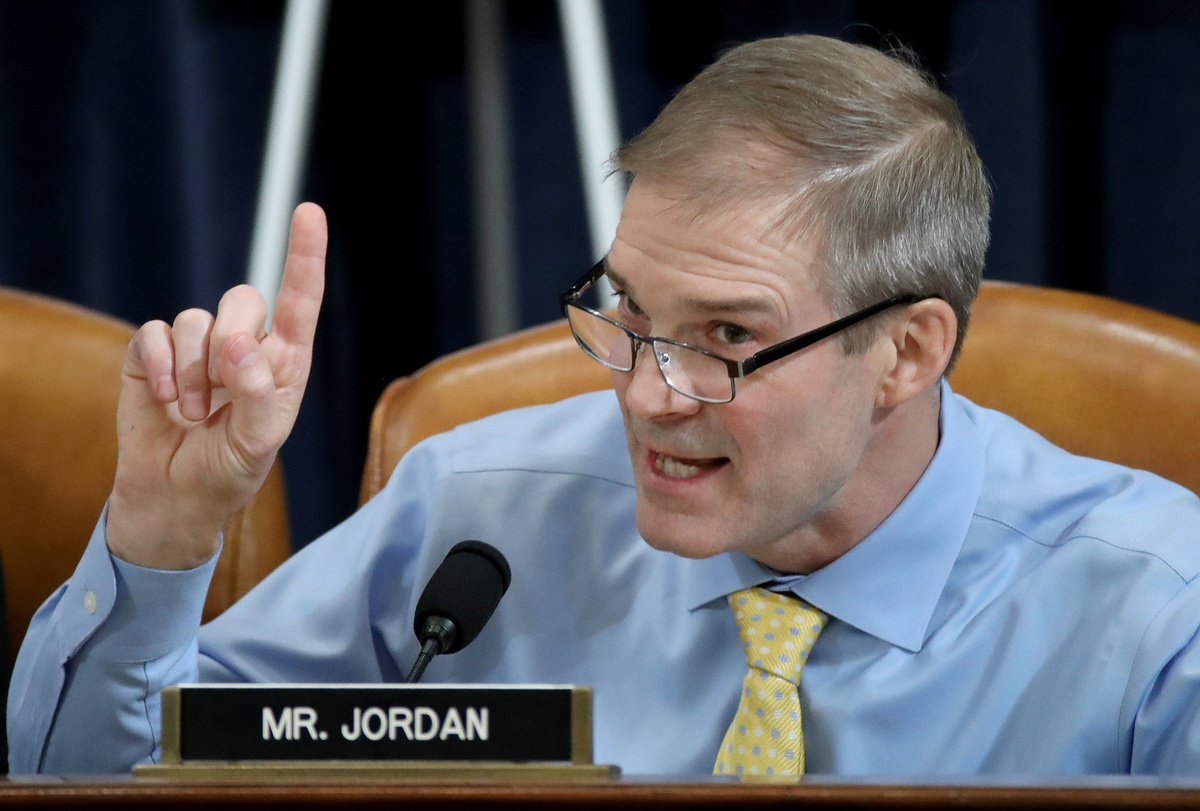
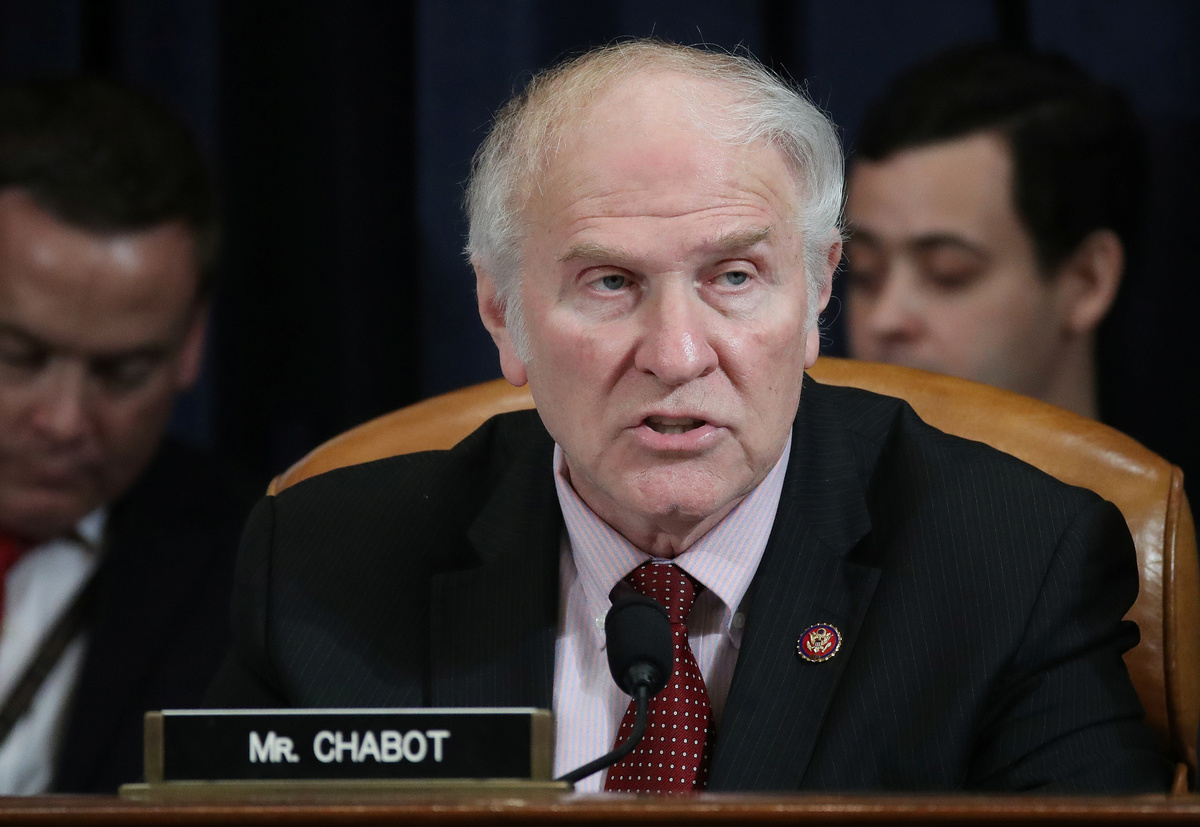
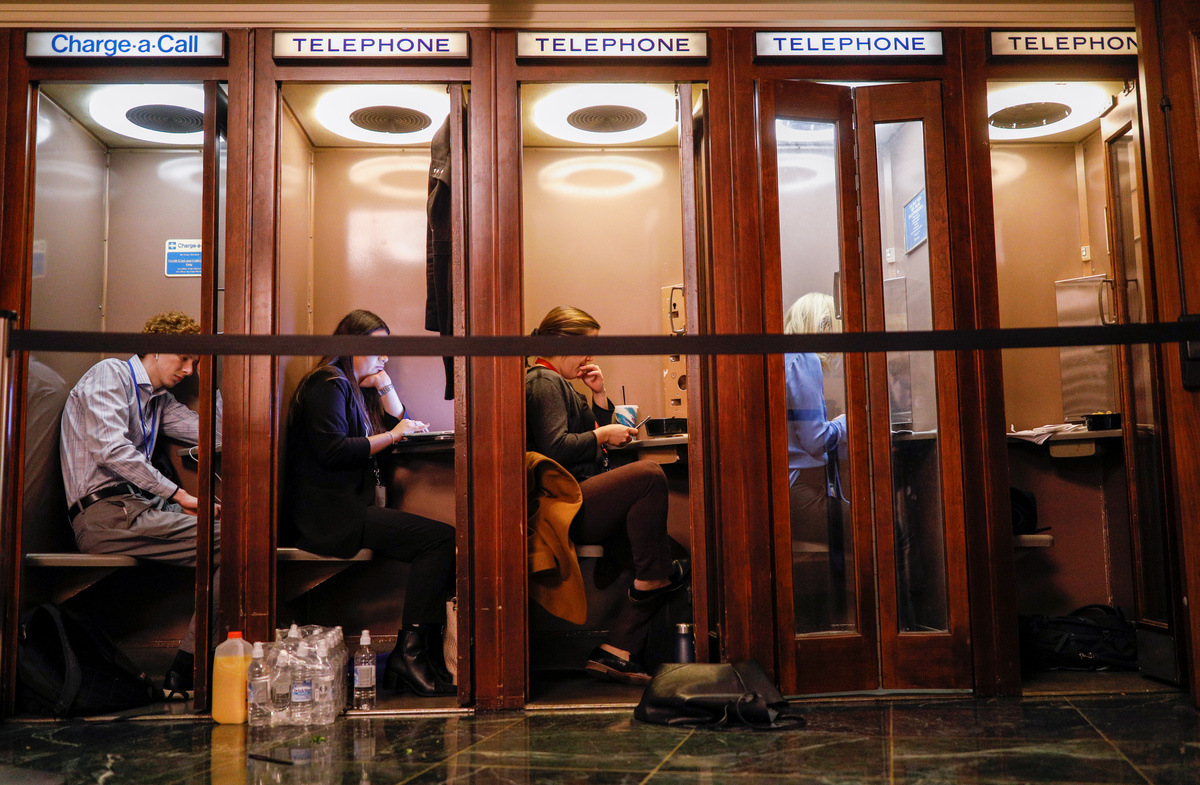
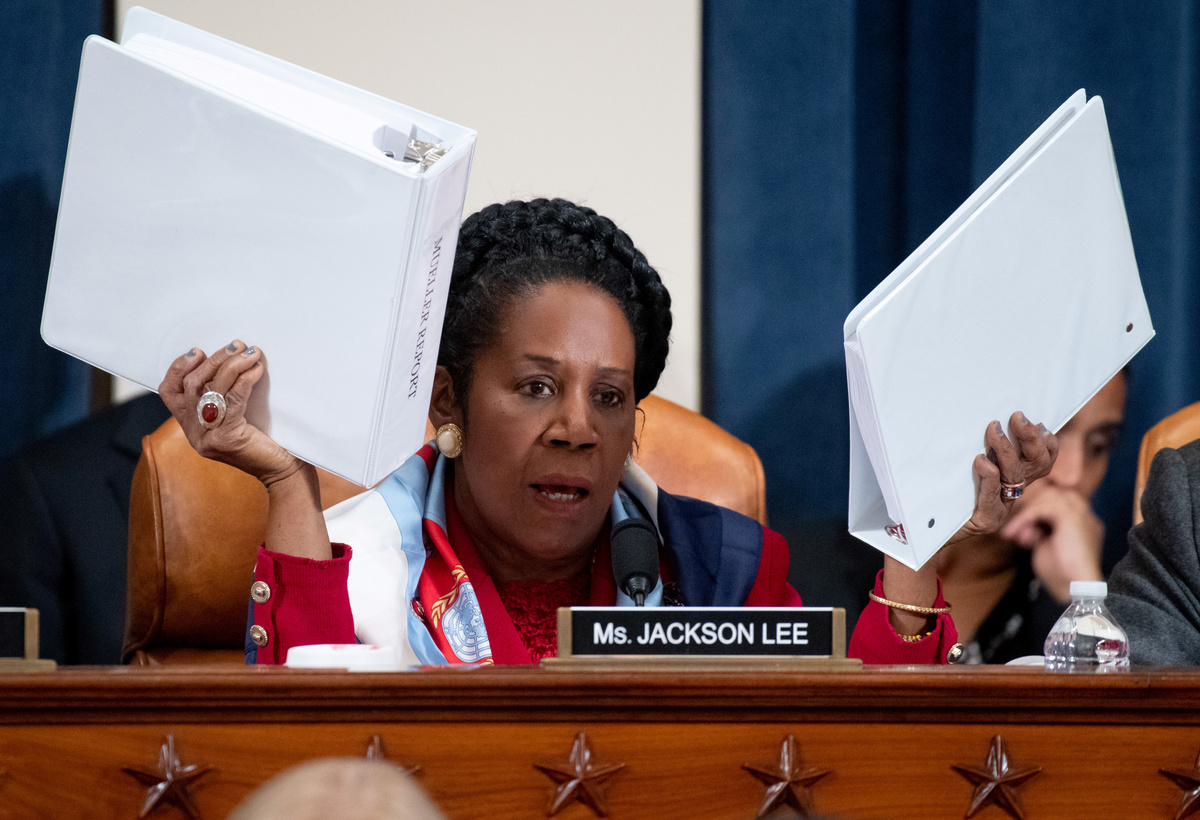
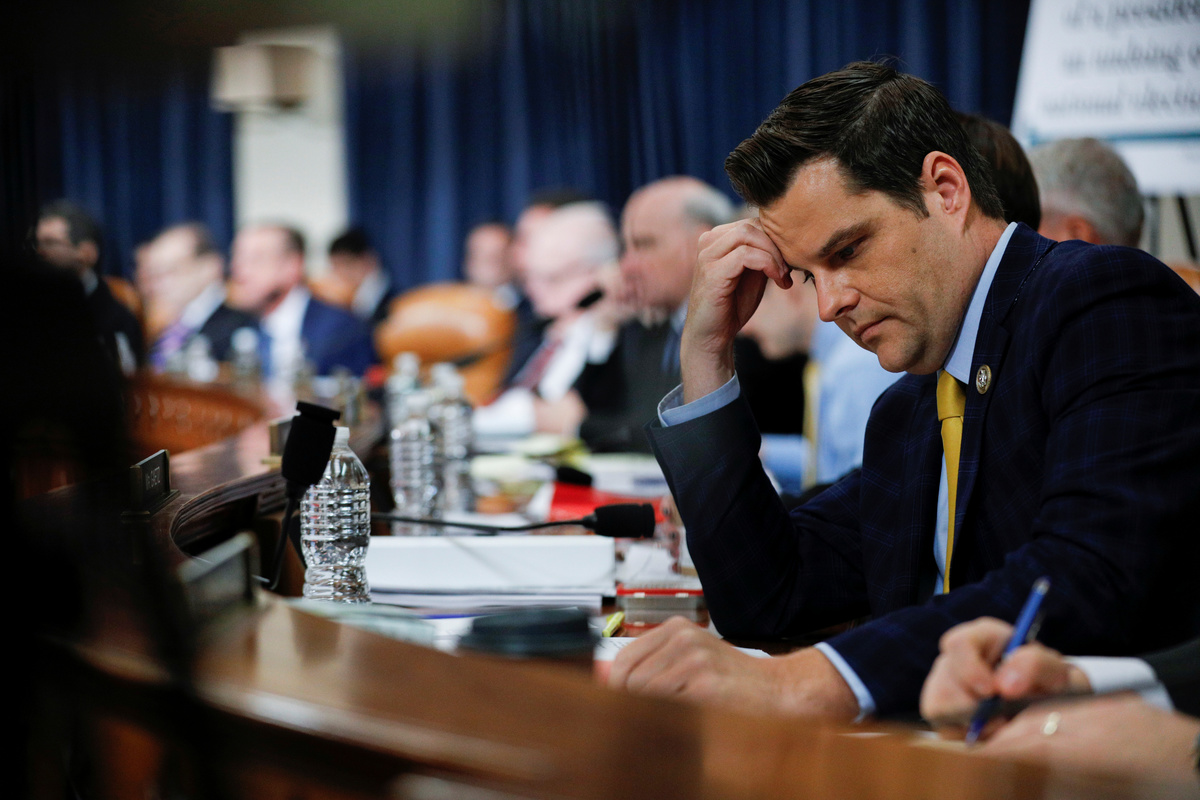
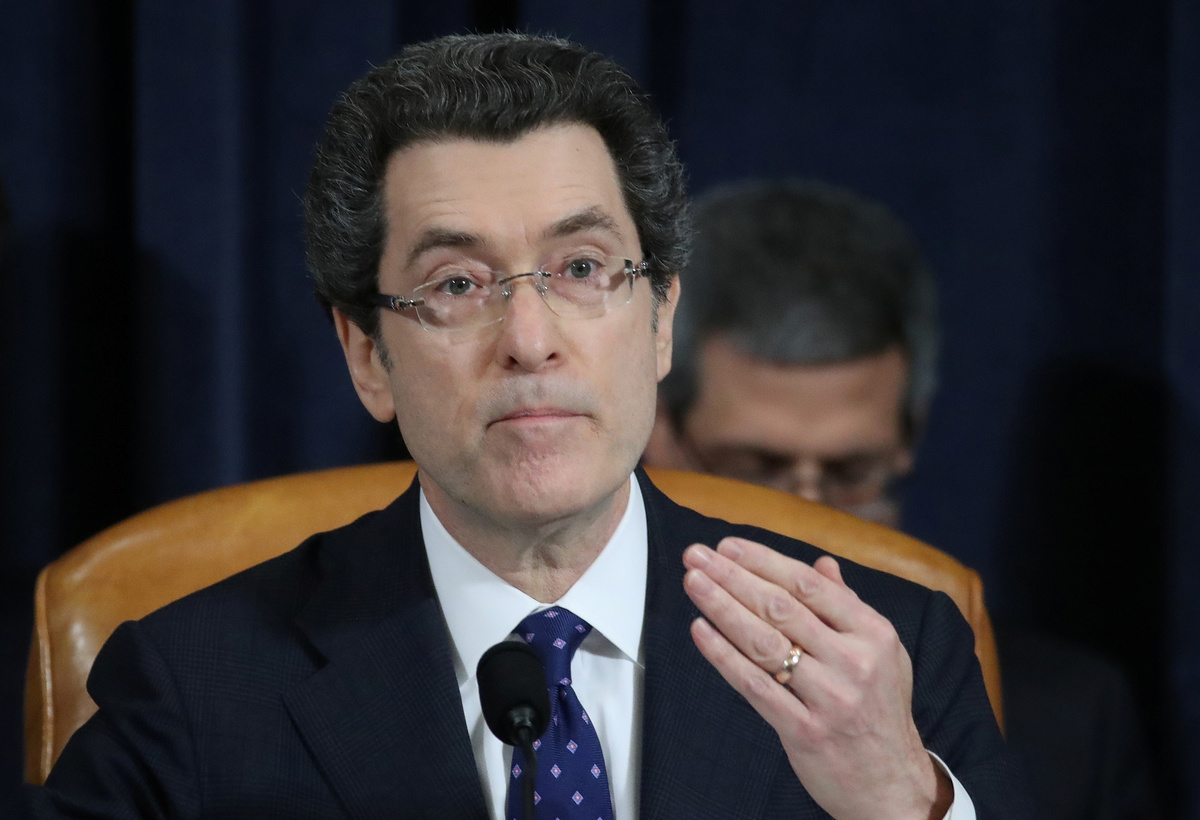
U.S. Rep. Matt Gaetz (R-FL) questions a panel of constitutional experts during a House Judiciary Committee hearing on the impeachment Inquiry into U.S. President Donald Trump on Capitol Hill in Washington, U.S., December 4, 2019. Saul Loeb/Pool via REUTERSRep. Jim Jordan (R-OH) questions constitutional scholars during testimony before the House Judiciary Committee hearing on the impeachment Inquiry into U.S. President Donald Trump on Capitol Hill in Washington, U.S., December 4, 2019. Drew Angerer/Pool via REUTERSRep. Steve Chabot (R-OH) questions constitutional scholars during testimony before the House Judiciary Committee hearing on the impeachment Inquiry into U.S. President Donald Trump on Capitol Hill in Washington, U.S., December 4, 2019. Drew Angerer/Pool via REUTERSJournalists and visitors sit inside old fashioned phone booths outside a House Judiciary Committee hearing on the impeachment inquiry into U.S. President Donald Trump in the Longworth House Office Building on Capitol Hill in Washington, U.S., December 4, 2019. REUTERS/Tom BrennerU.S. Representative Sheila Jackson Lee holds up copies of the Mueller Report as she questions constitutional scholars during a House Judiciary Committee hearing on the impeachment Inquiry into U.S. President Donald Trump on Capitol Hill in Washington, U.S., December 4, 2019. Saul Loeb/Pool via REUTERSPamela Karlan, professor of Public Interest Law and co-director of the Supreme Court Litigation Clinic at Stanford Law School, testifies during a House Judiciary Committee hearing on the impeachment inquiry into U.S. President Donald Trump on Capitol Hill in Washington, U.S., December 4, 2019. REUTERS/Jonathan ErnstRepublican House member Rep. Matt Gaetz (R-FL) listens to testimony as the House Judiciary Committee holds their first hearing on the impeachment inquiry into U.S. President Donald Trump on Capitol Hill in Washington, U.S., December 4, 2019. REUTERS/Tom BrennerNews photographers and members of the committee look towards the witnesses during the first U.S. House Judiciary Committee hearing on the impeachment inquiry into President Donald Trump on Capitol Hill in Washington, U.S., December 4, 2019. REUTERS/Tom BrennerMichael Gerhardt, professor of law at University of North Carolina School of Law, testifies during a House Judiciary Committee hearing on the impeachment inquiry into U.S. President Donald Trump on Capitol Hill in Washington, U.S., December 4, 2019. REUTERS/Tom BrennerA screen displays text from the U.S. House Intelligence Committee's impeachment report behind witness Jonathan Turley, professor of law at George Washington University Law School, as he testifies during the first U.S. House Judiciary Committee hearing on the impeachment inquiry into President Donald Trump on Capitol Hill in Washington, U.S., December 4, 2019. REUTERS/Tom BrennerHouse Judiciary Ranking Member Rep. Doug Collins (R-GA) speaks alongside House Judiciary Committee Chairman Jerrold Nadler (D-NY) during a House Judiciary Committee hearing on the impeachment Inquiry into U.S. President Donald Trump on Capitol Hill in Washington, U.S., December 4, 2019. Saul Loeb/Pool via REUTERSJonathan Turley, professor of law at George Washington University Law School, testifies during a House Judiciary Committee hearing on the impeachment inquiry into U.S. President Donald Trump on Capitol Hill in Washington, U.S., December 4, 2019. REUTERS/Mike Segar?Republican House members Rep. Louie Gohmert (R-TX), Rep. Mike Johnson (R-LA), Rep. Jim Jordan,Rep Andy Biggs (R-AZ) and Rep. Matt Gaetz (R-FL) confer during a break as the House Judiciary Committee holds their first hearing on the impeachment inquiry into U.S. President Donald Trump on Capitol Hill in Washington, U.S., December 4, 2019. REUTERS/Jonathan ErnstPamela Karlan, professor of Public Interest Law and co-director of the Supreme Court Litigation Clinic at Stanford Law School, is seated during a break in testimony before a House Judiciary Committee hearing on the impeachment inquiry into U.S. President Donald Trump on Capitol Hill in Washington, U.S., December 4, 2019. REUTERS/Loren ElliottThe House Judiciary Committee holds a hearing on the impeachment Inquiry into U.S. President Donald Trump on Capitol Hill in Washington, U.S., December 4, 2019. Saul Loeb/Pool via REUTERSHouse Judiciary Committee Chairman Jerrold Nadler (D-NY) and House Judiciary Ranking Member Rep. Doug Collins (R-GA) attend a House Judiciary Committee hearing on the impeachment Inquiry into U.S. President Donald Trump on Capitol Hill in Washington, U.S., December 4, 2019. Saul Loeb/Pool via REUTERSU.S. Capitol police officers watch from in front of a video monitor displaying definitions of "High Crimes and Misdemeanors" as the U.S. House Judiciary Committee holds their first hearing on the impeachment inquiry into U.S. President Donald Trump on Capitol Hill in Washington, U.S., December 4, 2019. REUTERS/Joanthan ErnstA U.S. Capitol police officer watches from in front of a video monitor displaying part of the call record of U.S. President Donald Trump's phone call with Ukraine's President Volodymyr Zelenskiy as the House Judiciary Committee holds their first hearing on the impeachment inquiry into U.S. President Donald Trump on Capitol Hill in Washington, U.S., December 4, 2019. REUTERS/Jonathan ErnstWitness Jonathan Turley, a professor of law at George Washington University Law School, takes his papers from his briefcase as he prepares to testify at the start of a House Judiciary Committee hearing on the impeachment Inquiry into U.S. President Donald Trump on Capitol Hill in Washington, U.S., December 4, 2019. REUTERS/Tom BrennerPamela Karlan, professor of Public Interest Law and co-director of the Supreme Court Litigation Clinic at Stanford Law School, testifies during a House Judiciary Committee hearing on the impeachment inquiry into U.S. President Donald Trump on Capitol Hill in Washington, U.S., December 4, 2019. REUTERS/Tom BrennerNoah Feldman, a professor of law at Harvard University Law School, testifies as the U.S. House Judiciary Committee holds their first hearing on the impeachment inquiry into U.S. President Donald Trump on Capitol Hill in Washington, U.S., December 4, 2019. REUTERS/Jonathan ErnstMajority counsel Norm Eisen questions constitutional scholars Noah Feldman of Harvard University, Pamela Karlan of Stanford University, Michael Gerhardt of the University of North Carolina, and Jonathan Turley of George Washington University during their testimony before the House Judiciary Committee hearing on the impeachment Inquiry into U.S. President Donald Trump on Capitol Hill in Washington, U.S., December 4, 2019. Drew Angerer/Pool via REUTERSHouse Judiciary Committee Committee Chairman Jerry Nadler (D-NY) delivers his opening statement at the start of a House Judiciary Committee hearing on the impeachment Inquiry into U.S. President Donald Trump on Capitol Hill in Washington, U.S., December 4, 2019. REUTERS/Jonathan ErnstRanking member Rep. Doug Collins (R-GA) speaks alongside House Judiciary Committee Chairman Jerrold Nadler (D-NY) during a House Judiciary Committee hearing on the impeachment Inquiry into U.S. President Donald Trump on Capitol Hill in Washington, U.S., December 4, 2019. Saul Loeb/Pool via REUTERS
Sign up to read this article
Read news from 100’s of titles, curated specifically for you.