2014 was a significant year for the digital marketing industry, with brand and company teams realising their models need to be more sophisticated if they are to cope with the growing number of channels that make up the modern consumer purchasing journey. But what does 2015 have in store? Here are four trends to look out for.
Sophisticated triage applications
These will force email marketers to think smarter. With Google’s new Inbox app introducing to the ordinary consumer a radical new way of handling email, marketers will need to adapt as a result.
Time-of-day engagement data will be significantly devalued as consumers turn to email triage applications that automatically sort messages into categorised bundles delivered at user-defined times of the day or week. This will also make it easier for consumers to ignore, unsubscribe from, or delete unwanted promotional emails. But it should also enable marketers to focus on their most engaged – and therefore most valuable – customer, who will find it easier to connect with a brand at a time of their choosing.
Meanwhile, marketers will have to build emails more intelligently. New email management tools provide actionable content directly in the message preview, enabling users to absorb the information they need without opening the email. Marketing teams will have to innovate to make the most of that space as the usefulness of click-to-open rates as a measure of success diminishes.
Expanding screen sizes as phablets
Super-sized mobile phones, or phablets, look set to become mainstream consumer devices, partly thanks to Apple’s decision to make the large-screened iPhone 6 Plus. With phablet users typically spending longer on their devices per session than those with smaller phones, and launching more apps, marketers will have to adapt their content accordingly.
The larger screens on phablets make them better suited to media consumption, making them the ideal platform for marketers to experiment with interactive or video-based content. Extra screen space may also make consumers more likely to complete purchases, rather than waiting until they have access to larger desktop screens. Brands will also need to think about these new screen dimensions when designing responsive web pages and email content.
Crowd wisdom
As consumers become more accustomed to their data being a shared resource used by brands and retailers to provide enhanced services, local and anonymised personal data will increasingly be used to shape marketing campaigns and brand experiences in real-time. Smartphones carry an enormous amount of data about their owners’ movements, preferences and interests, which can be used to “crowdshape” marketing content and delivery methods – for example, to specifically target consumers within a defined physical area. Wearable technologies like fitness bands and smartwatches may even enable marketers to measure a customer’s emotional response to a video or advert.
Wearable technology
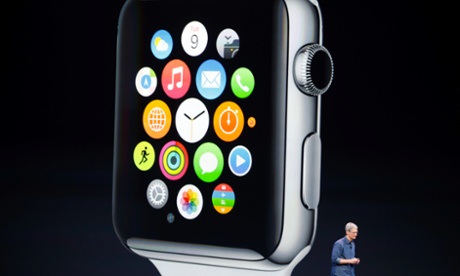
New devices, such as smartwatches, are expected to be driven into the consumer mainstream by the launch in 2015 of the Apple Watch. Rather than looking at these devices as simply another screen of a different size, marketers will need to think about how to use this opportunity more creatively.
With a number of manufacturers and retailers collaborating to make smartwatches a conduit for mobile payments, 2015 should see brands use wearables to engage customers with special offers or loyalty information at the point of sale.
Luke Griffiths is head of marketing solutions EMEA at eBay Enterprise
More like this
• Beacon tech offers new retail opportunities
• Creating an optimal mobile shopping experience
• Brought to you by eBay: Technology and the reinvention of retail
This advertisement feature is provided by eBay, sponsors of the Guardian Media Network’s Technology in retail hub