In our new “Virgin voters” series we listen to what young people and first-time voters have to say about the election issues that matter most to them. First up: free speech on campus.
Freedom of speech: what’s going on?
Free speech has become a huge issue at universities for four reasons:
• Counter terrorism bill: The government’s counter-terrorism and security bill, which wants to make universities responsible for preventing students being drawn into terrorism, has been criticised by more than 520 professors. They say it would deter discussion of radical ideas on campus.
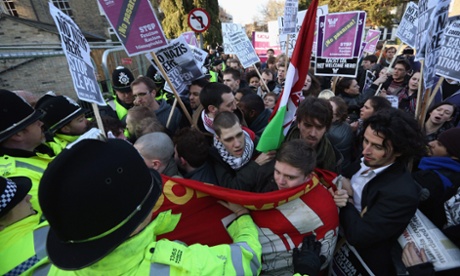
• Right to protest: Student activists say police and universities are threatening their right to protest. In Warwick, police are currently under investigation by the IPCC after allegedly attacking students at a peaceful sit-in, while last month the University of Sussex was told to apologise after suspending five students.
• Self-censorship: Increasingly students are being accused of pushing for censorship themselves. There has been a rise in number of bans on campus: the Sun newspaper, the song Blurred Lines and comedian Kate Smurthwaite have all been prevented from being or speaking at universities due to student union policies or student protest.
• No platform: The National Union of Students’ (NUS) “No platform” policy, which says that people with racist or fascist views shouldn’t be given a platform on campus, has been criticised in the media and by academics, with a number of university professors this week saying that it is “part of a worrying pattern of silencing individuals”.
So what do young voters really think about freedom of speech and censorship?

‘We need to discuss the counter-terrorism bill’
Blanka Konopka, 23, studying a masters in European studies at University College London (UCL):
Students are debating free speech a lot on Facebook. We need to discuss the counter-terrorism and security bill, and whether or not it would impinge freedom of speech on campuses and to what extent. I think it would definitely influence universities and make them question whom they invite on to campus and it would bring a culture of suspicion. What constitutes extremism and what constitutes something controversial is something that you can’t clearly define and so I think it should be left up to universities to decide whom they invite. I don’t think it should be legislated.
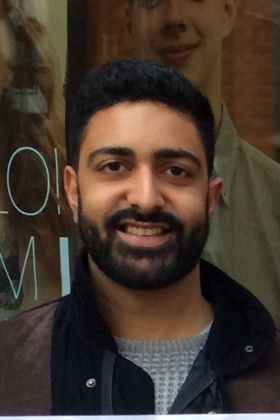
‘Muslims will be treated differently’
Omar Begg, 23, studying law at the London School of Economics:
The counter-terrorism bill dehumanises students – it takes away their ability to be individuals. It will undoubtedly affect people’s freedom of speech, especially Muslims who openly manifest their faith. They’ll be vilified and and prone to examination on their views. The bill will be a form of thought policing and will bring a climate of fear and insecurity to universities.
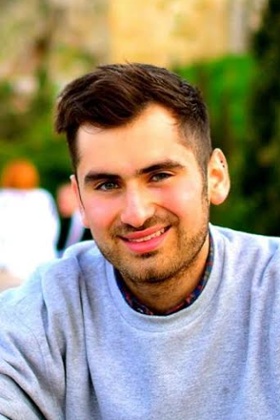
‘It’s important to focus on what’s really happening’
Michael Segalov, 21, communications officer at the University of Sussex:
Freedom of speech on campus must be talked about, but it’s important to focus on what’s really happening. There’s a lot more to worry about than if students don’t want someone on campus. We need to think about the repercussions of the counter-terrorism bill, and universities spying on students, like in Cambridge. The police are on campuses to stop people protesting and the idea of radical thought is becoming reportable to the authorities. There are also injunctions banning protest and dissent, and in Warwick students have been pepper-sprayed. These things are an attack on free speech and we should be worried about them.

‘Free speech is not under assault from students’
Niamh McIntosh, 19, studying English at Oxford University:
There’s a zeitgeist around free speech on campus at the moment. It’s a topic that’s very easy to have a knee-jerk reaction to. I don’t accept the idea that free speech is under assault from students when they protest against people speaking on their campus; we can exercise our right to free speech by saying we don’t want something to happen in our university. I also don’t think that No platform is being used as a tool of censorship by students for ideas they don’t like.
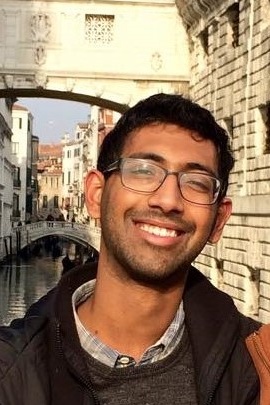
‘It’s disappointing to see such a warped view in mainstream media’
Ajit Niranjan, 21, studying civil engineering at the University of Bristol:
British students are not banning anyone. Small groups of students are just peacefully protesting about who is invited onto their campuses to air their already widely-read views. Freedom of speech does not guarantee the right to a stage on which to perform. And when the speakers are high-profile, and the platform is student-funded, it’s disappointing to see such a warped view of the situation being pushed in mainstream media.
- What do you think? Let us know in the comment section below.
- Join us and host Rick Edwards to debate freedom of speech at Kings College London on Monday 20 April. Tickets cost just £5. Find out more here.
Keep up with the latest on Guardian Students: follow us on Twitter at @GdnStudents – and become a member to receive exclusive benefits and our weekly newsletter.