A lot has changed since college athletes began earning compensation in 2021.
A small percentage have become rich due to their talent and marketability. The vast majority, however, have earned much more modest additional income, if any at all.
But one thing hasn’t changed: Opponents of college students cashing in on marketing their name, image and likeness, or NIL, still argue that athlete compensation has ended the supposed purity of college sports.
The NCAA has a long history of opposing college athletes profiting from their intellectual property. And even President Donald Trump has voiced his concerns, suggesting current NIL policies “could cause serious damage to college athletics” and issuing not one but two executive orders so far in his second term to “save” college sports.
However, as a professor of sport management who has been studying name, image and likeness policies since they were implemented in 2021, I believe there are a lot of misconceptions about how they work. Based on my studies – one published in 2023 and the other one published in 2025 – I’d like to set the record straight about a few things.
Brief history of NIL
Starting on July 1, 2021, the NCAA permitted college athletes to earn income through their name, image and likeness.
This historic shift reversed the NCAA’s long-established policy that making such agreements threatened athletes’ eligibility. However, this change did not come out of nowhere. Over 30 states had passed legislation that would allow college athletes to monetize and personally profit from their name, image and likeness, which was supported by several court rulings in athletes’ favor.
Immediately, athletes began signing marketing agreements with a wide range of businesses, such as Jackson State defensive end Antwan Owens’ deal with 3 Kings Grooming and Auburn quarterback Bo Nix’s with Milo’s sweet tea.
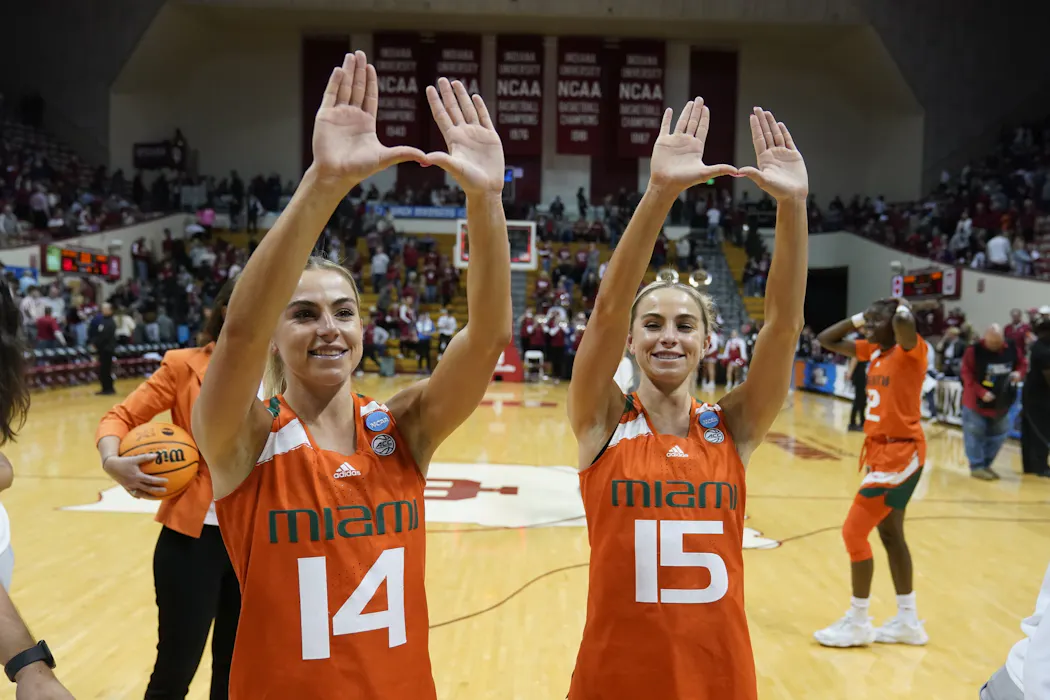
Additionally, athletes who had generated a significant following on social media, such as sisters Haley and Hanna Cavinder, were sought after for endorsements and quickly reached agreements with companies such as Boost Mobile and Six Star Pro Nutrition.
NIL collectives, nonprofit groups typically funded and run by boosters, alumni or fans, were soon set up to help a school’s athletes get paid sponsorships. This created an unregulated pay-for-play system in which athletes were paid for their talent.
Limited time to earn
One reason college athletes may deserve to cash in while they’re still students is that their window to profit from their skills will likely be very narrow.
For decades, athletes have been told that they will be “going pro in something other than sports” – meaning their main source of income as adults probably won’t be in the NFL or NBA.
Of course, the NCAA, its universities, coaches and athletic administrators have been correct to highlight that the chances of an NCAA athlete even competing at the professional level, much less having a long, lucrative career, are quite low – less than 1% in many sports.
So it is not unreasonable for college athletes to want to maximize their earnings from their athletic abilities during this short window.
In any event, many adults, including college coaches and athletic administrators, seek jobs and careers that maximize their earning potential. It would be irrational, in my view, to contend that college athletes and their families should operate differently.
There’s also another truth that’s been overlooked: NCAA Division I athletics have been getting more and more commercialized for decades, with top officials, athletic directors and coaches commanding high six- or even seven- and eight-figure salaries. The notable exceptions are the athletes themselves, who until 2021 got little more than scholarships, even though their talent and work are at the center of the whole enterprise.
Athletes benefit in more ways than just money
Of course, the major change for athletes in this new system is that they can make money. But that’s not the only benefit they get.
In my most recent study, several co-authors and I found that athletic department staff across the country held a positive view of name, image and likeness policies. They told us that their college athletes, as a result of engaging in NIL deals, seem to be maturing more quickly than before, are behaving more responsibly and are often partnering with charities to support worthy causes. With opportunities to earn additional income now feasible, today’s college athletes seem to be more mindful that other organizations are more likely to partner with them if they demonstrate consistently reliable and mature behavior.
They have also been able to pursue skills or talents that were previously not permitted, such as starting and marketing their own small business while competing as a college athlete, or obtaining hands-on experience to better understand taxes and other financial matters.
Though administrators in our study had some concerns about potential harmful outcomes stemming from name, image and likeness opportunities, such as pressure to excel or unmet expectations, they said they hadn’t yet seen any evidence of those harms.
Our study also highlighted how economic well-being influences other components of a person’s overall well-being, such as their mental, emotional or social health. So if schools and coaches are interested in ensuring their athletes’ overall well-being, providing them with ways to earn money can play an important part in this.
Even relatively small financial gains of a few hundred or a few thousand dollars from branding opportunities can make a profound difference to a young person or their families.
A paternalistic attitude
Hand-wringing about paying student-athletes, in my view, is the result of a historically entrenched paternalistic mindset in college sports.
For example, despite most college athletes being 18 to 23 years old and therefore legally adults, broadcasters, coaches and others still often refer to them as “kids.” A 2025 study that analyzed nearly 100 Division I policies found that teams sought to control athletes and limit their self-determination, such as dictating their physical appearance or when and how they interacted with family and friends.
Ultimately, these athletes aren’t kids. They’re adults, the vast majority of whom have a very limited amount of time to earn money off their athletic talent and hard work. While the system governing name, image and likeness could be improved, along with other policies in college athletics, athletes are benefiting in numerous ways beyond the obvious financial gain.
If athletes are the central stakeholders of college athletics, and their well-being is the foremost priority of the enterprise, I believe the opportunity for them to capitalize on name, image and likeness should not just be permanently accepted but genuinely celebrated.
This article was originally published on The Conversation. Read the original article.