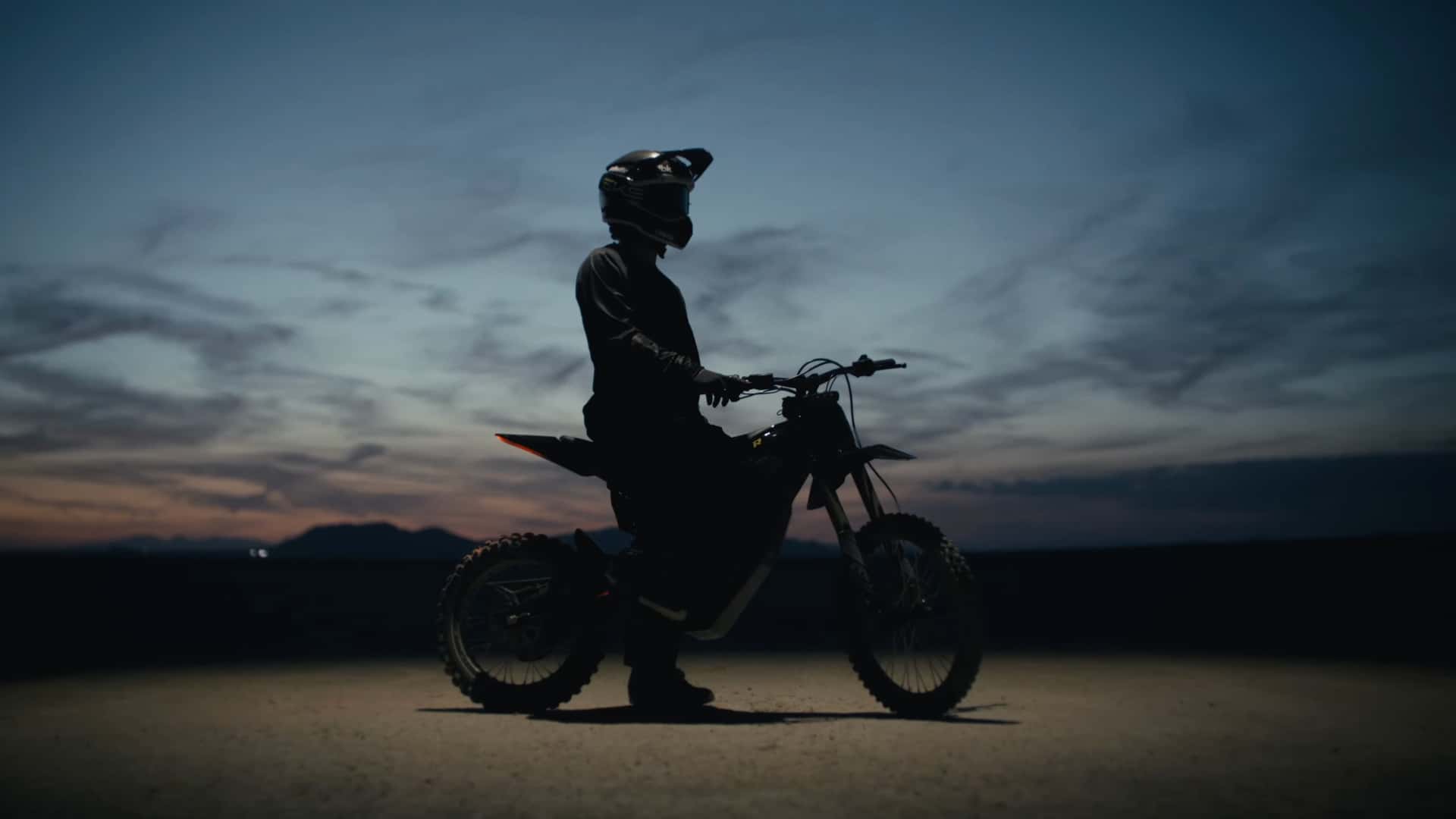
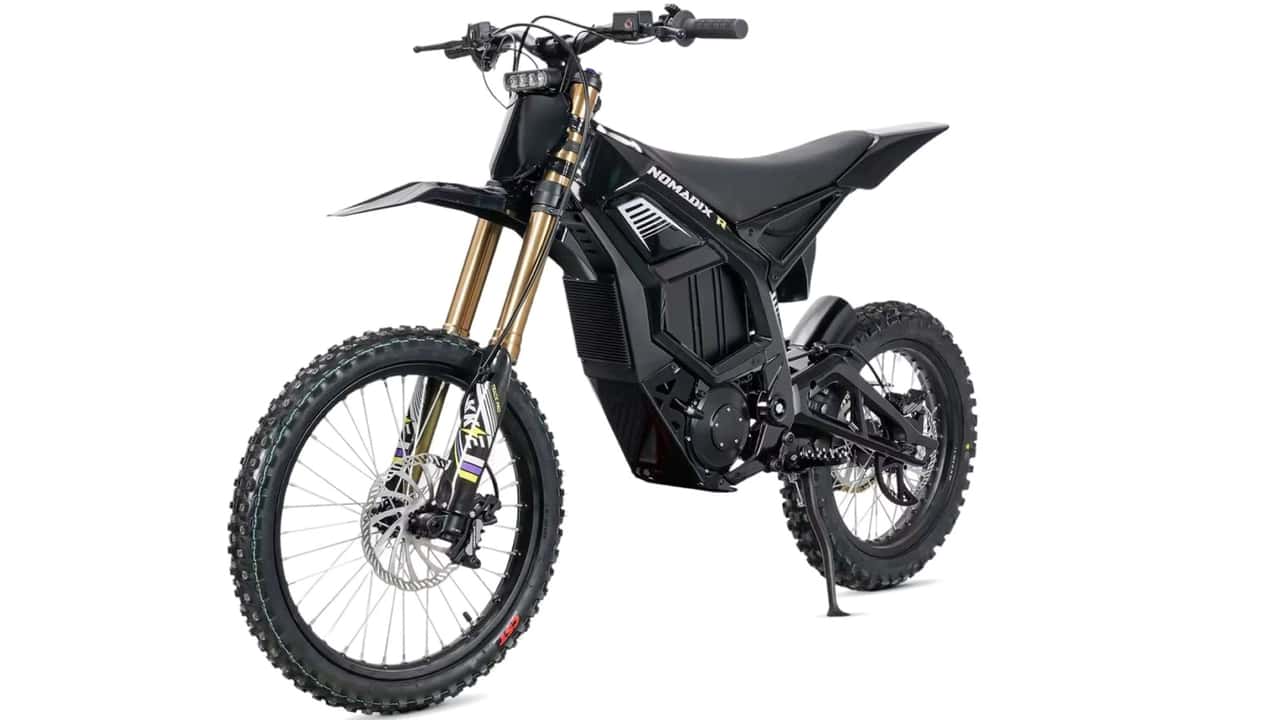
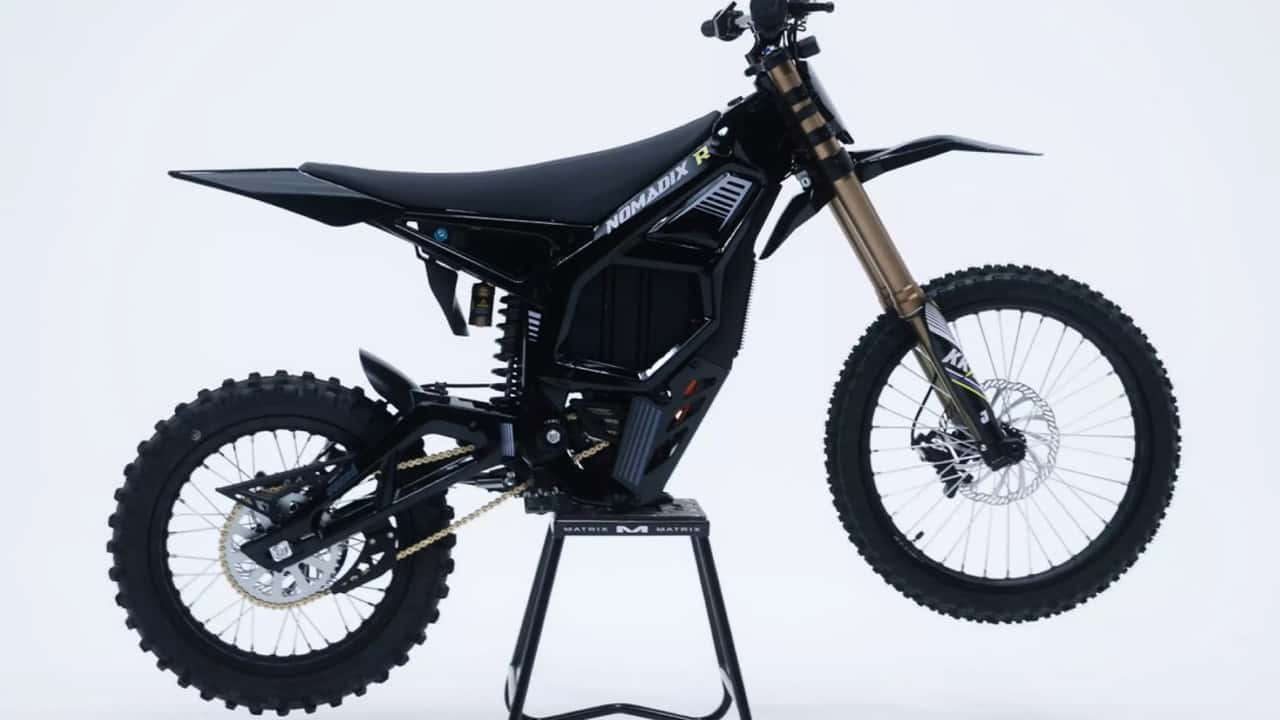
There’s a funny thing happening in the world of electric two-wheelers. The line between e-bike and motorcycle is getting blurrier by the day, and manufacturers seem perfectly happy to keep smudging it. That’s how we ended up with machines like the new Juiced Nomadix, a lightweight electric dirt bike that costs just $2,500 and somehow promises up to 20 horsepower and a top speed of 70 miles per hour.
At first glance, it’s tempting to call it an electric bicycle. It’s compact, lightweight, and shares more visual DNA with a Sur-Ron than a Honda CRF. But let’s be serious for a second. A machine capable of 70 miles per hour and packing 280 pound-feet of torque isn’t an e-bike in any meaningful sense of the word. It may not be a full-fledged motorcycle in the traditional sense either, but it’s parked a whole lot closer to the motorcycle side of the spectrum.
That’s exactly what makes the Nomadix interesting. It drops into a growing segment occupied by bikes like the Sur-Ron Light Bee, Talaria’s various offerings, and Segway’s off-road electric machines. These aren’t electric mountain bikes with delusions of grandeur. They’re lightweight off-road weapons built for trails, dirt lots, and the sort of places where making noise usually annoys somebody.
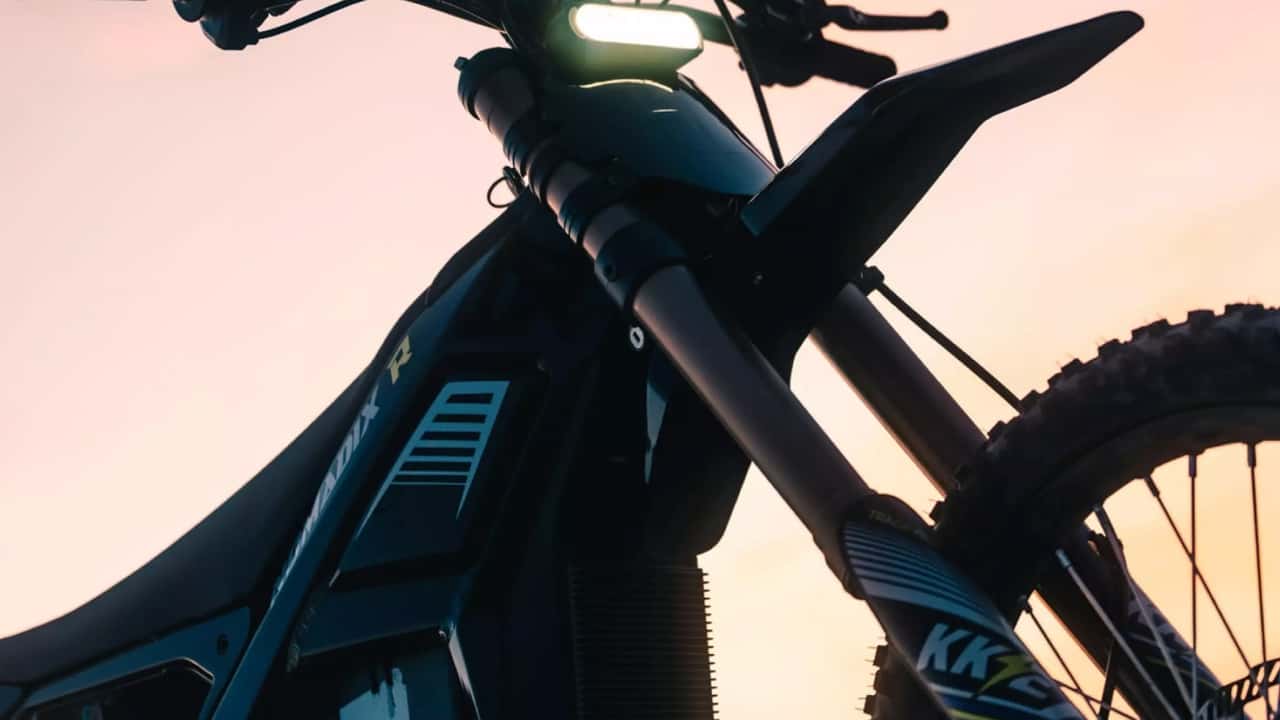
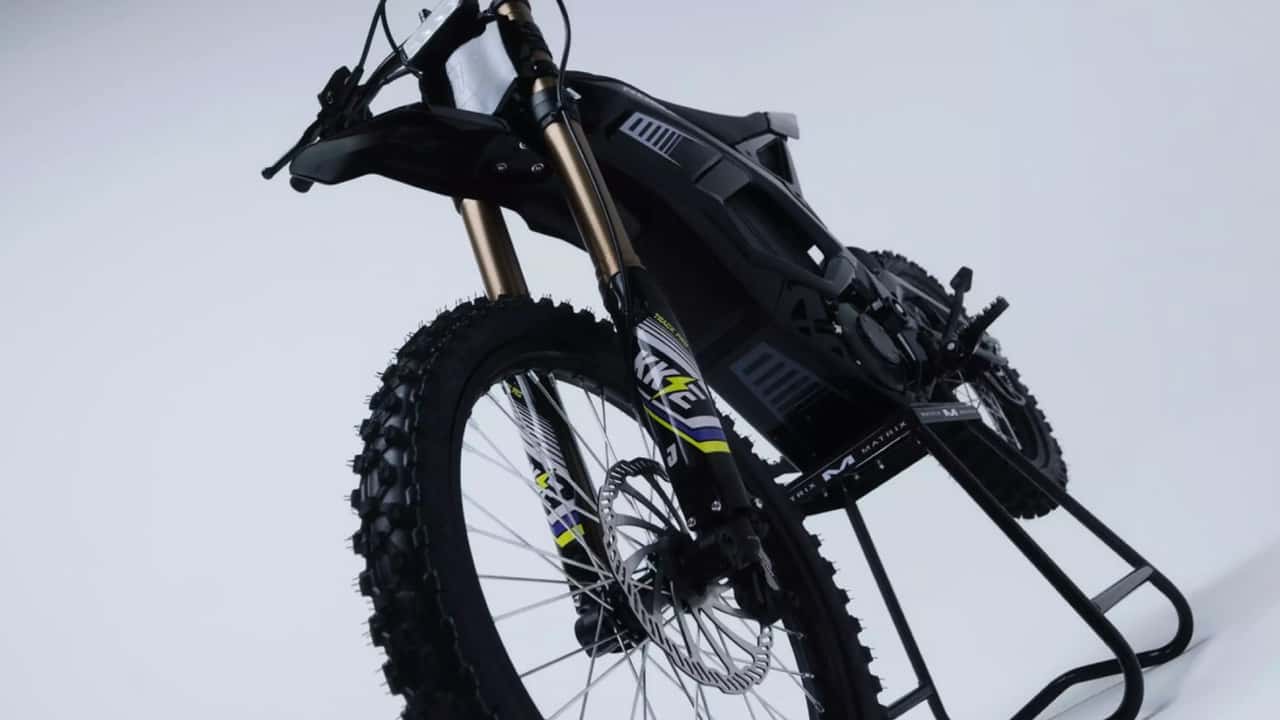
The headline figure here isn’t the claimed 70 miles per hour top speed. It isn’t the KKE suspension or the motorcycle-grade brakes. It’s the price. At $2,500, the Nomadix costs roughly half what many of its direct competitors command. In a powersports world where prices seem determined to sprint away from reality every year, seeing a new electric off-road machine arrive at this number is nothing short of refreshing.
And that’s definitely good news.
One of the biggest barriers facing electric powersports has always been cost. Plenty of riders are curious about electric dirt bikes until they discover that entry often starts around the price of a decent used street-legal motorcycle. A lower price means more riders can get involved, more people can try something new, and more competition gets injected into a market that’s still figuring itself out. More options rarely hurt consumers.
But there’s another side to this story. The Sur-Ron crowd has already become famous for finding creative interpretations of the phrase “off-road use only.” Across the country, stories continue to pop up involving riders blasting through bike paths, sidewalks, suburban streets, and public parks on machines that were never intended to be there. Some riders are responsible. Some are not. That’s life.
Now imagine a bike with motorcycle-level performance becoming dramatically cheaper and more accessible. The Nomadix isn’t street legal. Juiced says so itself. Yet nobody should be surprised if plenty of these eventually spend more time on pavement than dirt. A $2,500 price tag lowers the barrier to entry not only for enthusiasts, but also for every aspiring neighborhood menace looking for a new way to make questionable decisions.
Still, that’s by no means the Nomadix’s fault.
At the end of the day, more competition is a good thing. If Juiced can actually deliver the performance and quality it’s promising, established players are going to have to respond. Riders get more choices, prices get pushed downward, and the segment becomes healthier as a result. Whether the Nomadix becomes the next big thing or just another interesting experiment remains to be seen. Either way, the electric off-road world just got a lot more interesting.