
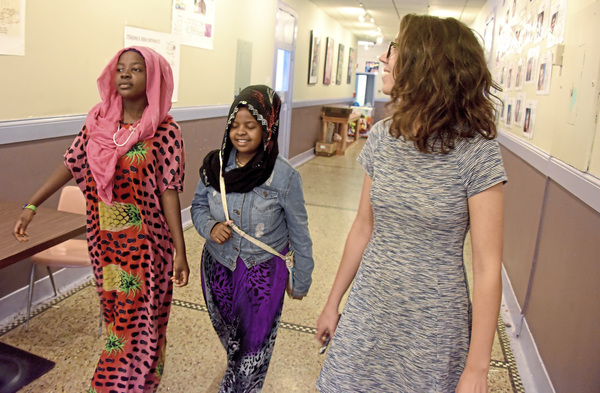
PITTSBURGH _ Jenna Baron knew she wanted to major in the liberal arts or social sciences when she started as a freshman at the University of Pittsburgh in 2009.
"I'd always known it would have something to do with learning about people," she said.
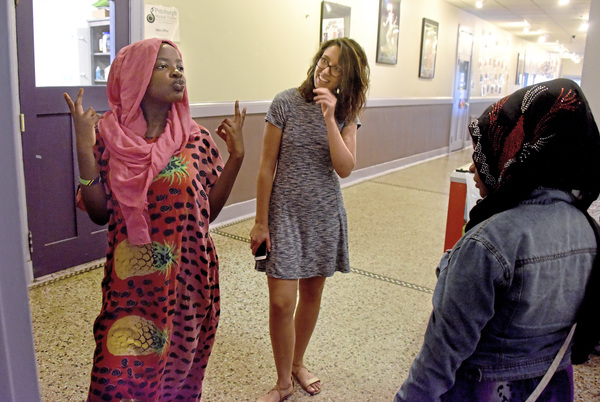
Baron discovered anthropology as a way to learn about different cultures and to travel. Taking courses on Africa and volunteering as a tutor for a Somali family in Pittsburgh instilled a passion in learning about the continent. She declared a certificate in African Studies and studied Swahili in Tanzania and Kenya over a summer.
Anthropology, like many majors in the liberal arts and social sciences, doesn't have a clear career path. Still, such majors can inform what college graduates do afterward, as well as how much they earn.
Georgetown's Center on Education and the Workforce, which collects and analyzes national and state data on college majors and earnings, reported in 2015 that about 80 percent of majors are "career-focused," meaning coursework prepares students for specific field or jobs related to that field.
For example, "You do see a large percentage of health majors preparing for health but also ending up in health occupations, everything from health practice to health administration," said Neil Ridley, director of the state initiative at the center.

Students with less career-focused majors _ such as arts, humanities and social sciences _ comprise about 20 percent of all college students nationally, according to the report.
The types of jobs they get are highly variable, Ridley said. They could end up in graduate school or in international fellowships, in consulting or health care, in sales or education, in nonprofits or office support, with no dominant career track.
"For humanities and liberal arts, there are winding paths into the workforce and into careers," he said.













.jpg?w=600)



