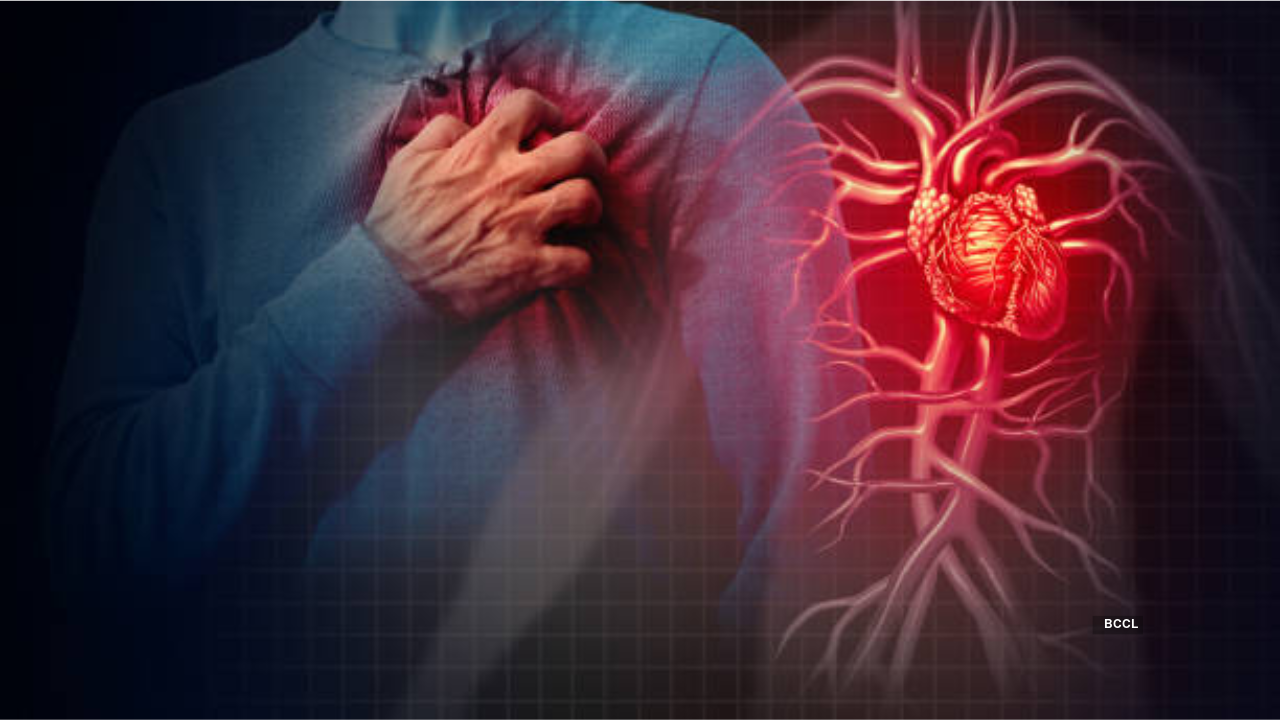
Heart disease stands as a prominent cause of mortality in both men and women. The initiation of this condition may commence in childhood, progress inconspicuously over time, and culminate in an unexpected and frequently fatal heart attack. It is ill-advised to wait for symptoms to surface before embracing proven measures to reduce risks. Cardiovascular disease affects both genders almost equally on an annual basis.
Many women might not be aware that heart disease poses a substantial risk to them, akin to men. Identifying symptoms in women can be challenging, as they may deviate from those observed in men, often leading to a diagnosis in the later stages of the disease. Traditional symptoms of heart disease encompass chest pain, breathing difficulties, dizziness, and swelling in the legs and feet. Nevertheless, women may encounter atypical symptoms such as profound fatigue, jaw pain, palpitations, cold sweats, heavy arms, and anxiety.

Numerous risk factors contribute to heart disease. Blood lipid levels, specifically low HDL and high triglycerides after menopause, heighten the risk in women over 65. Diabetes exacerbates the risk, as women with diabetes frequently harbor additional risk factors like obesity, hypertension, and high cholesterol. Metabolic syndrome, marked by a combination of health risks, also escalates the probability of heart disease, stroke, and diabetes, particularly at a younger age. Smoking, even in a passive capacity, is associated with a heightened likelihood of heart attacks in women.
Moreover, broken heart syndrome, a transient condition triggered by stressful situations, is more prevalent in women than in men. Assuming control over certain factors can significantly diminish the risk of heart disease. Steering clear of smoking, engaging in regular physical activity, adopting a heart-healthy diet, managing stress, and addressing depression stand as pivotal preventive measures.
Specific prevention objectives for heart disease encompass maintaining a BMI within the range of 18.5 to 24.9, a waist circumference below 35 inches, blood sugar control with an HbA1c level below 7%, blood pressure at 120/80 mmHg, total cholesterol below 200 mg/dL, triglycerides below 150 mg/dL, LDL cholesterol below 100 mg/dL, and HDL cholesterol above 50 mg/dL. It is crucial to recognize that proactive efforts in these areas can substantially contribute to reducing the prevalence and impact of heart disease in both men and women.
(By Dr. D. Sitaram, Consultant Cardiologist, Yashoda Hospitals, Hyderabad)