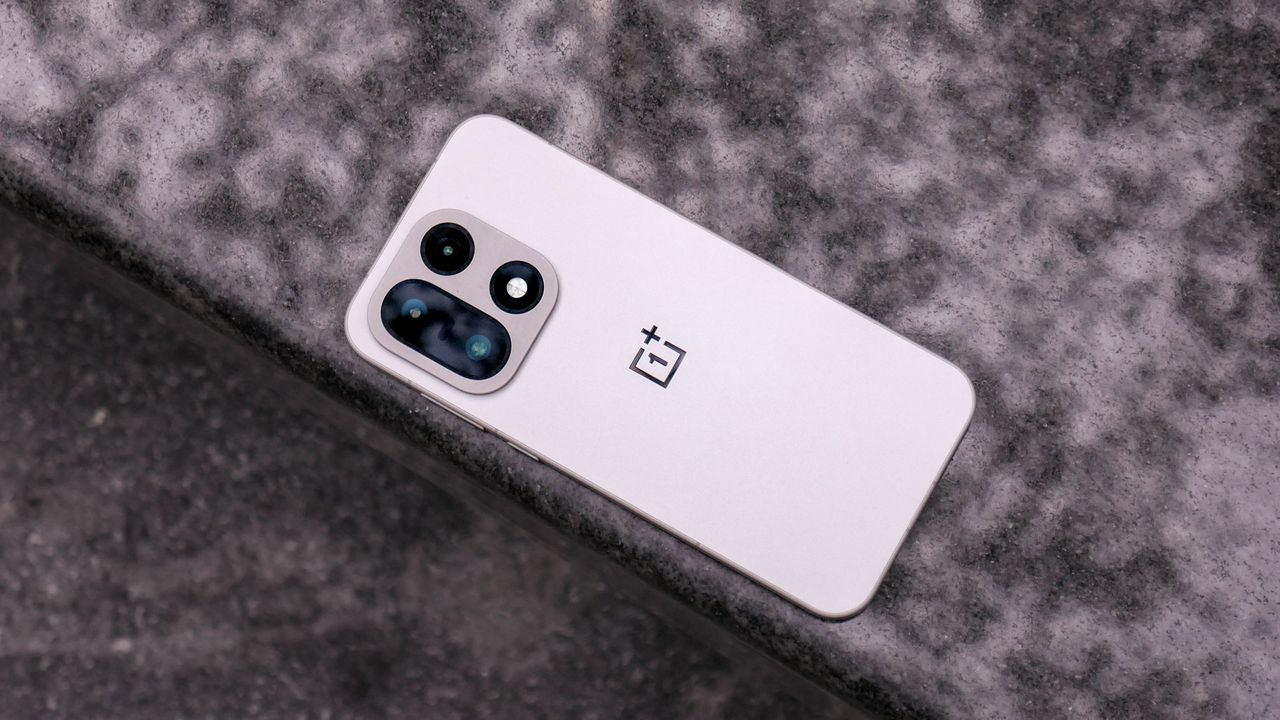
Smartphone makers have asked users to make the same trade-off when it comes to battery life: if you want a handset that genuinely lasts the day, you usually have to accept a bigger body, more weight, and the nightly charging routine.
But that changes with the OnePlus 15, which is now on sale in the U.S. as well as other parts of the world. The latest OnePlus flagship has a lot going for it, but a key distinction is that it’s one of the first mainstream phones to make that trade-off feel less inevitable. The OnePlus 15 pairs a huge 7,300mAh pack with battery life that’s hard to ignore – more than 25 hours on the Tom’s Guide battery test, which is more than double what a smartphone usually lasts.
The twist is that this isn’t just “more mAh”, as some other smartphone makers have done. OnePlus is leaning on a new silicon–carbon battery design, which the phone maker says increases energy density by using an anode with 15% silicon content.
If that sounds a bit complicated, in plain terms, it’s a way of cramming more usable battery into the same kind of space – the sort of leap that can quietly reshuffle what we value in the best Android phones, alongside cameras, screens, and increasingly AI features.
It’s also worth noting how rare genuine battery leaps have felt in the past.
Most year-on-year gains have come from phones getting a little more efficient – better chips, smarter power management, and brighter but less intensive screens – rather than from a sudden jump in the size of the fuel tank.
That’s why the OnePlus 15 feels big: it’s a reminder that battery life can still be pushed forward by hardware changes, not just clever optimization.
What is a silicon–carbon battery?
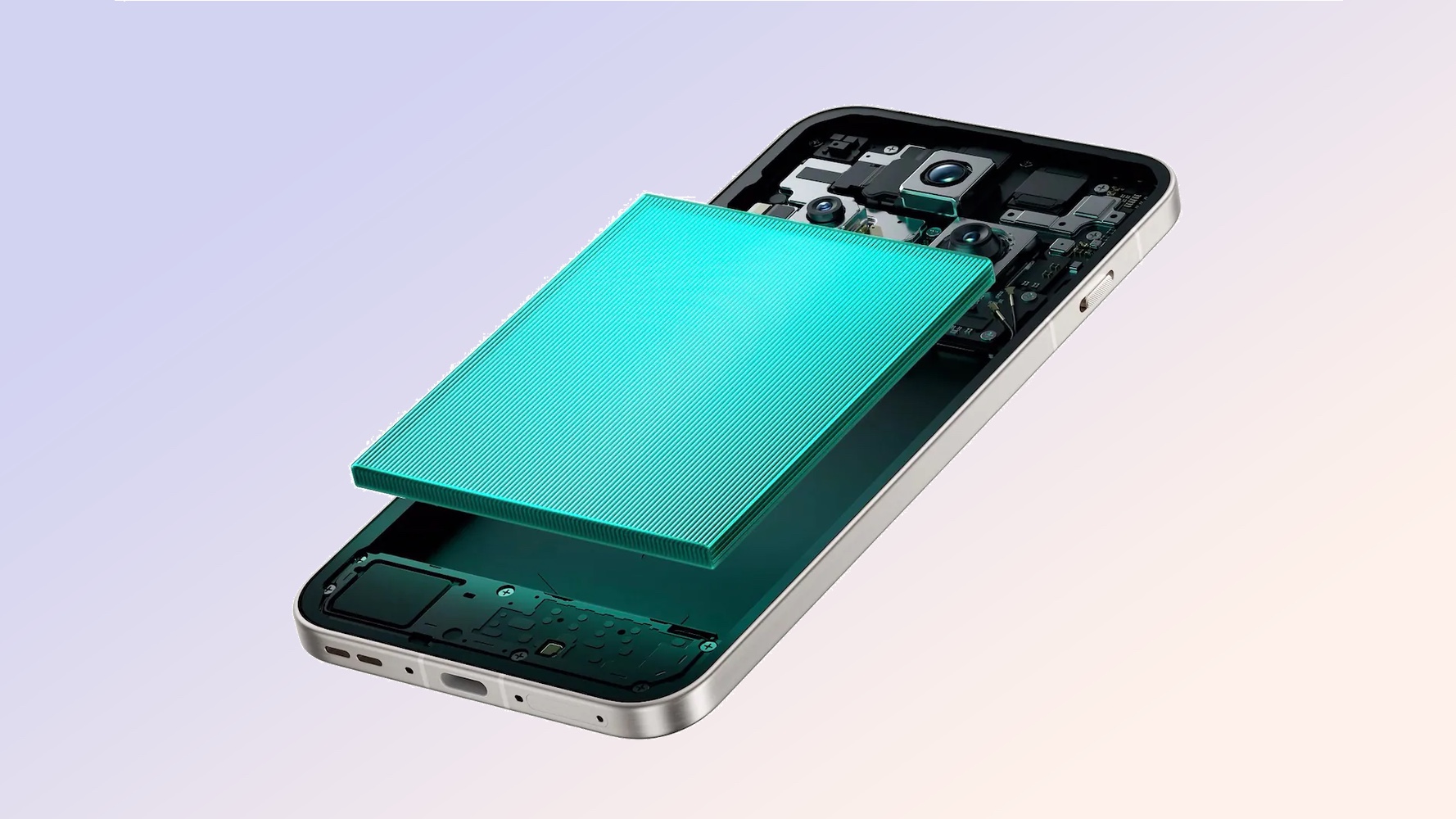
So how did OnePlus pull off this feat of longevity? The silicon-carbon battery inside the OnePlus 15 plays a leading role.
A silicon–carbon battery is essentially a modernized lithium-ion battery. Instead of relying almost entirely on a graphite anode (the part that stores lithium during charging), it uses an anode made with silicon blended or structured with carbon.
Why use this method? Silicon can hold more lithium than graphite, so you can get more capacity from a similarly sized smartphone battery.
The easiest way to think about it is this: silicon–carbon is not a totally new battery type in the way “solid-state” implies a clean break.
It’s still the familiar lithium-ion approach used across modern phones, laptops, wearables, and pretty much every other device, but with an upgraded anode material that aims to store more energy in the same footprint.
“Silicon carbon batteries offer significantly higher energy density in the same size package — in other words, bigger batteries in the same size phones, or the same size batteries in smaller devices,” said Avi Greengart, an analyst with Techsponential.
How silicon–carbon actually works
"Silicon carbon batteries offer significantly higher energy density in the same size package."
— Avi Greengart, Techsponential
In a conventional lithium-ion battery, the anode is mostly graphite, which is popular because it’s stable, well understood, and good at repeatedly soaking up and releasing lithium ions without falling apart.
Silicon changes the equation because it can hold far more lithium than graphite. In simple terms, that means an anode that uses silicon can, in theory, store more energy for the same amount of material.
The catch – and there is almost always a catch in physics – is that silicon tends to expand and contract a lot as it charges and discharges.
This is where the “carbon” part earns its keep. Carbon-based structures, coatings, and blends can help support the silicon, improve electrical conductivity, and generally keep the anode behaving more predictably across tens or hundreds of charge cycles.
The OnePlus 15’s silicon–carbon battery
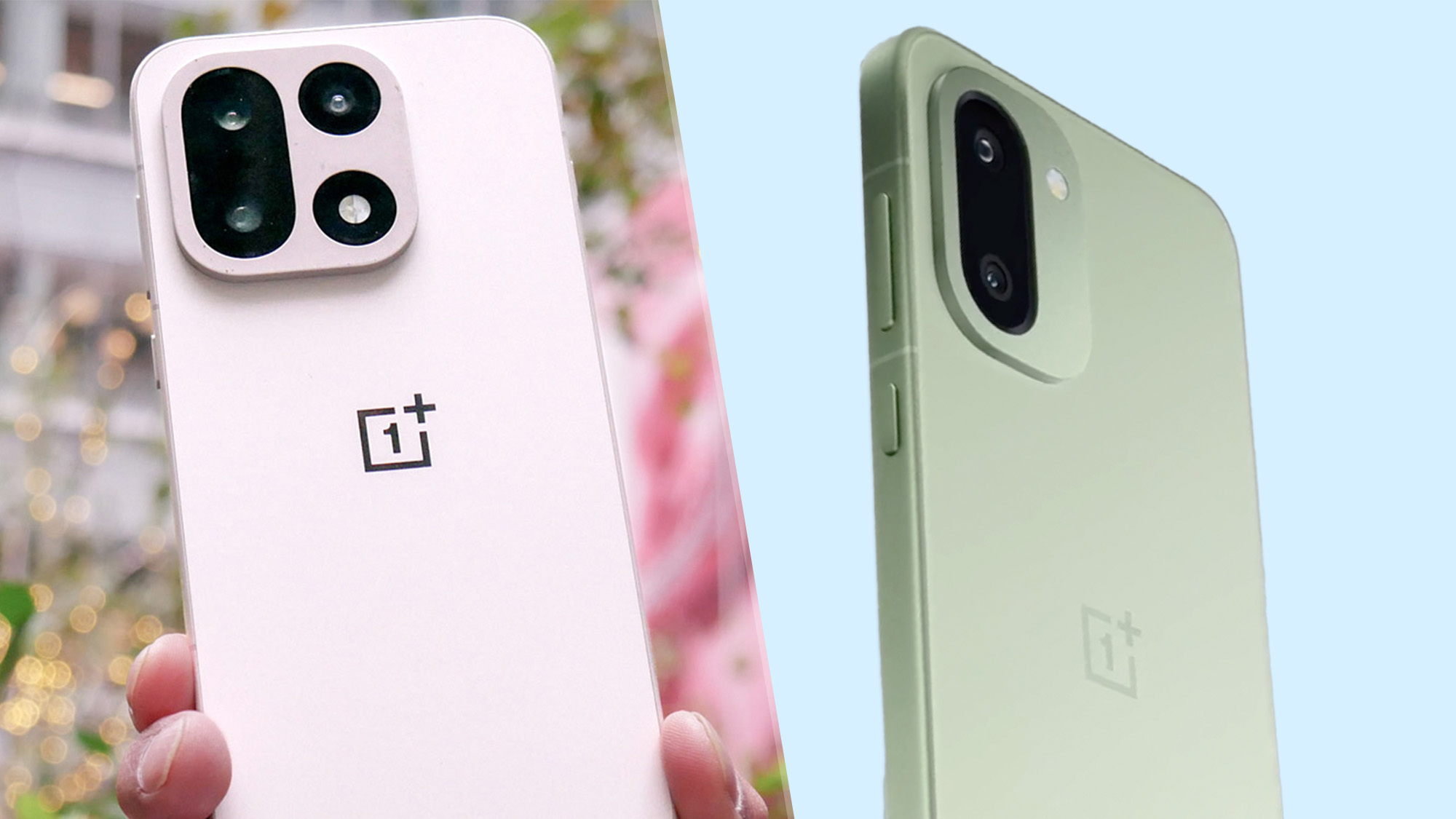
While “silicon–carbon” can feel a bit abstract and confusing, especially for those who care more about pure battery life numbers (which, let’s face it, is most of us), the OnePlus 15 turns it into something more real.
OnePlus pairs the tech with a 7,300mAh “Silicon NanoStack” battery, and that sheer capacity is a big part of why the phone posted such an eye-catching 25 hours of life when we set the phone to surf the web continuously over cellular until it ran out of power.
The next closest device on our best phone battery life list also happens to be from OnePlus: the OnePlus 15R also uses a silicon-carbon battery to approach 22 hours on our test. The ROG Phone 9 Pro is the only phone to top 20 hours on our test using a more conventional battery.
Just as important to its power pack’s longevity, OnePlus is trying to make sure that bigger battery doesn’t mean slower top-ups. OnePlus also knows people will worry about long-term wear, so it’s putting some clear promises on the table, including that it should retain 80% health after four years.
Backing all of this up is OnePlus 15’s genuinely impressive specs: a 6.78-inch OLED display, an adaptive refresh rate up to 165Hz, Snapdragon 8 Elite Gen 5 chipset, and up to 512GB of storage, easily enough to rival its top Android rivals.
The pros and cons of silicon–carbon batteries
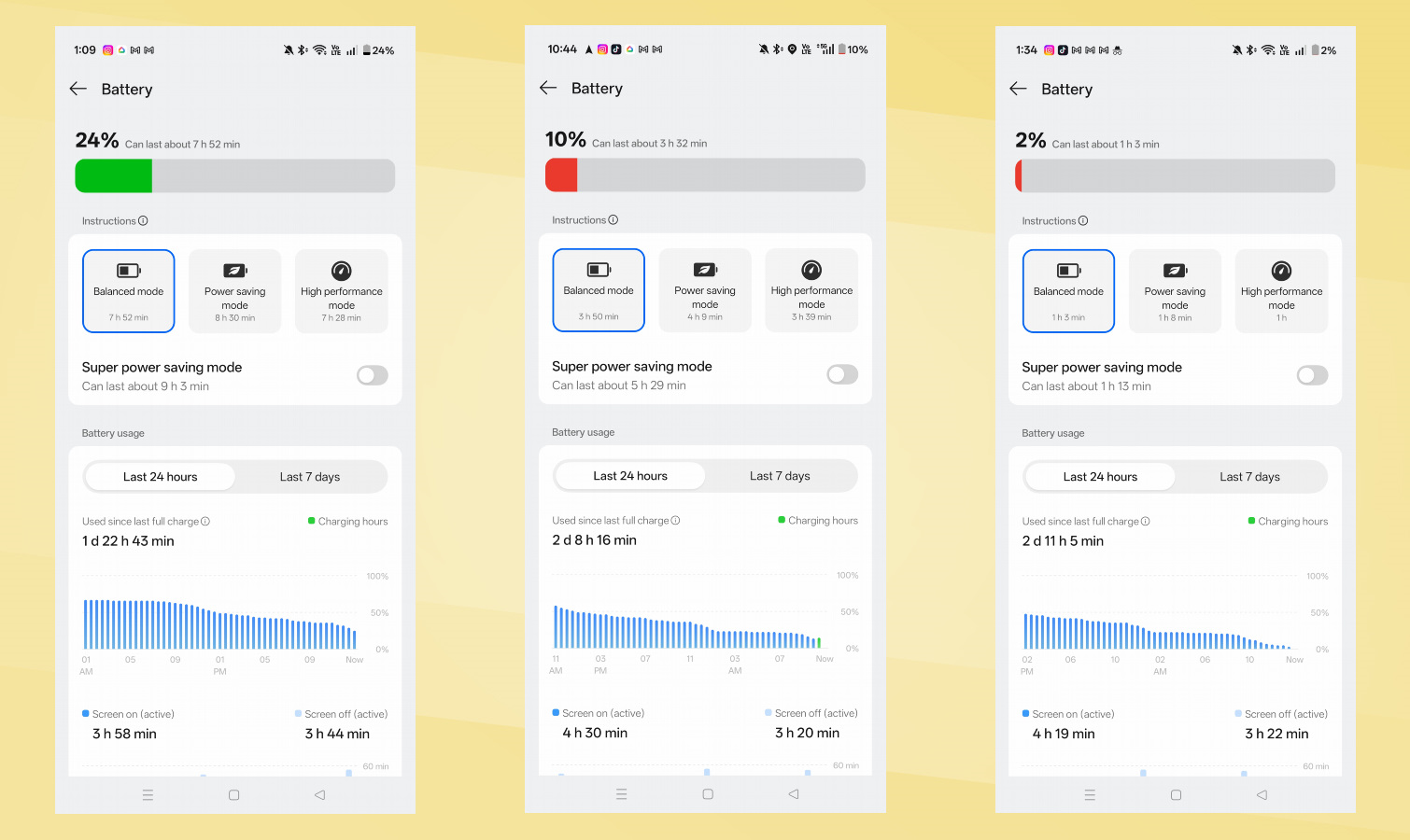
The headline benefit of silicon–carbon is simple: it helps phone makers fit more battery capacity into roughly the same space. Feel free to stop reading after that sentence.
In day-to-day use, that extra headroom can change how a phone feels. Instead of living on 20%n to 30% by late afternoon, you’re more likely to end the day with enough charge to stop thinking about it.
But it’s not magic, and it certainly isn’t “free”.
Silicon is attractive because it can store far more lithium than graphite, yet it also swells significantly as it charges and discharges, which is one of the main reasons it has been challenging to use at high proportions without hurting long-term battery life.
The “carbon” part of silicon–carbon batteries exists largely to help tame that behavior, but the real-world results are still likely to vary depending on how each company designs the cell, manages heat, and tunes charging.
Will more smartphones follow the OnePlus 15?
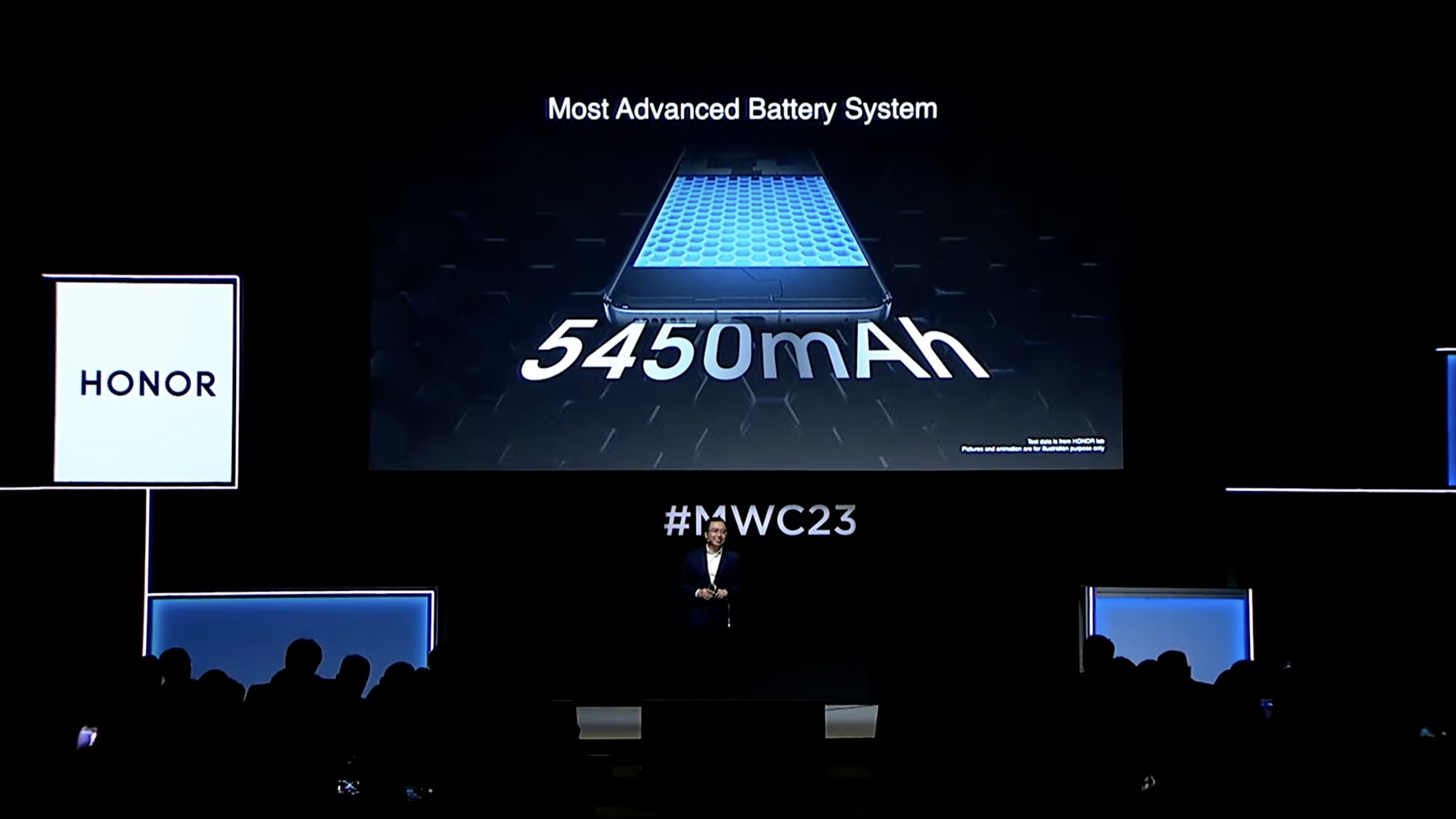
OnePlus may have been the first phone maker to offer a handset with a silicon-carbon battery in the U.S., but the tech has made it to other devices. In fact, multiple other Chinese smartphone brands, including Honor, have been testing similar battery tech since at least 2023.
Right now, silicon–carbon is rolling out in a very “Android-first” way: a handful of ambitious brands are using it as a headline differentiator, because battery life is one of the easiest upgrades for users to feel day to day.
By contrast, the two biggest names in the “mainstream flagship” space — Apple and Samsung — still look cautious, at least publicly, with their focus mostly going on battery improvements via software, rather than big hardware and mAh jumps.
“For now, the big companies supplying the U.S. carrier market – Apple, Samsung, Lenovo’s Motorola, and Google – are sticking with older battery chemistry."
— Avi Geengart, Techsponential
“We have seen companies try both approaches, but most have been Chinese OEMs,” Greengart said. “For now, the big companies supplying the U.S. carrier market – Apple, Samsung, Lenovo’s Motorola, and Google – are sticking with older battery chemistry.”
Part of that is due to what Greengart describes as “risk aversion” — “Apple and Samsung both have extremely rigorous safety processes around batteries and chargers” – with concerns about battery longevity also coming into play.
“However, the bigger problem is supply chain logistics,” Greengart added. “Apple and Samsung collectively manufacture nearly a half billion phones a year, and there just isn’t enough capacity to supply that amount of volume.”

Follow Tom's Guide on Google News and add us as a preferred source to get our up-to-date news, analysis, and reviews in your feeds.