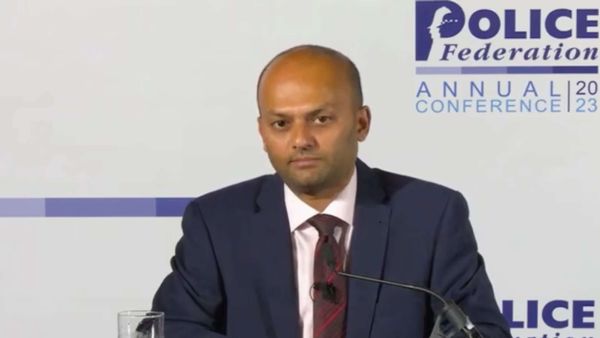
Albert Simango first found his interest in social care while at university, studying politics, philosophy and economics.
“My intuitive character and understanding of the world made me want to work in the social care sector, not with just one person, but in a capacity where I could help make decisions that impact positively on people’s lives”.
Growing up he could never comprehend why everyone’s wish was to have a long life and took solace in Thomas Hobbes’ book Leviathan that described the life of mankind as ‘solitary, poor, nasty, brutish and short.’
However, his time at university made him learn that we can do something about this “natural state of mankind” and he participated in the Time to Change campaign to raise awareness about mental health. The campaign used light humour, familiar situations and local settings to really get people talking about mental health. It was the inspiration that made Simango want to work in social care after his degree.
He successfully applied to Skills for Care’s graduate management programme and started a placement as a management trainee with Contented Dementia Trust.
There are lots of roles for graduates in social care no matter what your degree
Chris Hocking works as a locality manager with Welcome Independent Living. After studying sports science at university and volunteering at Camp America, he decided he wanted a career helping people.
Previously, Chris had a negative perception of care work and had never considered it as a career. However, a friend’s parents set up their own care organisation and Chris decided to give it a go - and three years later he’s still there.
Chris started working as a care worker and soon progressed to a senior care worker role. Although his degree gave him the skills he needed for the role, his employer paid for him to complete a diploma in health and social care - a vocational qualification specifically developing knowledge about working in the sector. Within 18 months Chris was promoted to locality manager and has also taken on extra training responsibilities.
Social care is evolving and the demand for highly skilled workers has never been higher. Organisations are increasingly seeing the benefits of employing graduates as a way of injecting new enthusiasm and thinking and who have the potential to become leaders in the sector.
So if you’re looking for a rewarding career where you can make a real difference and have lots of opportunities to progress, have a look at the Think Care Careers website to see what roles are available and what values, skills and qualifications you might need for each role.
If you’re interested in applying for the 2018 Graduate Management Programme you can read more and apply here.
Content on this page is produced and controlled by Skills for Care, sponsor of the Guardian Social Care Network leadership, learning and development hub