
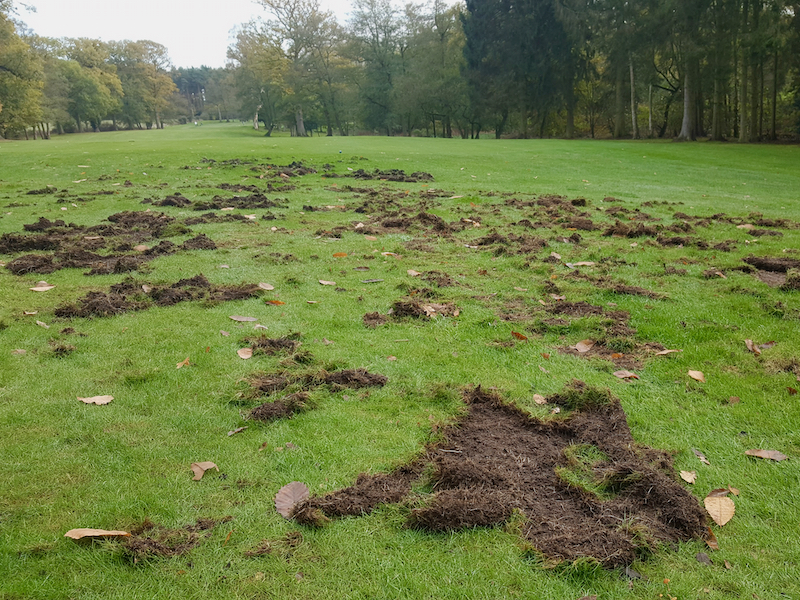
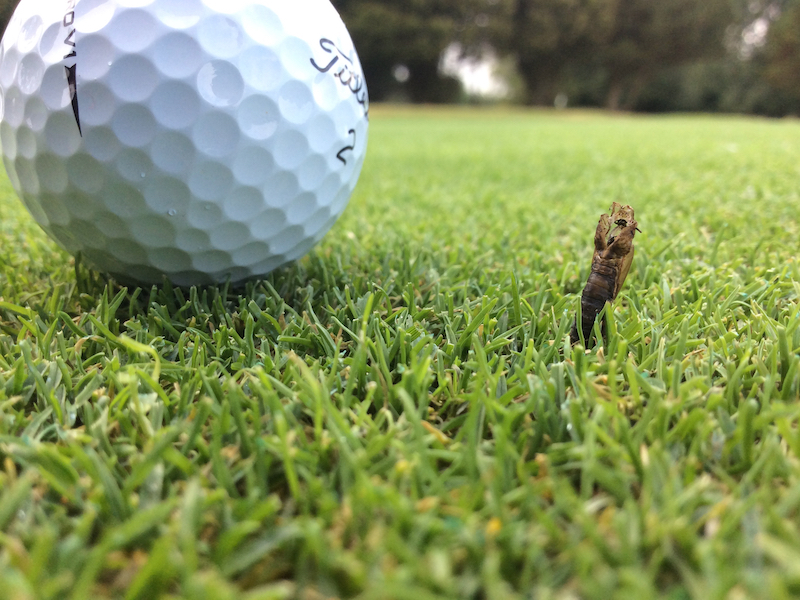
You might have overheard conversations between greenkeepers and club staff about the problems caused by this invasive species at your local club. Leatherjackets are the the larvae of the crane fly or daddy longlegs, and typically hatch around August or September. The creatures are quick-breeding and have a very short life-span, but can still cause untold damage to the golf course.
In this article, we explore their impact further and discuss how to support your green staff with managing the problem...
How do Leatherjackets affect the golf course?
Upon hatching, Leatherjackets are immediately on the wing with their sole purpose to find a mate. They deposit their eggs into the ground, resulting in the grubs or larvae feeding on the grass until pupating and eventually re-emerging.
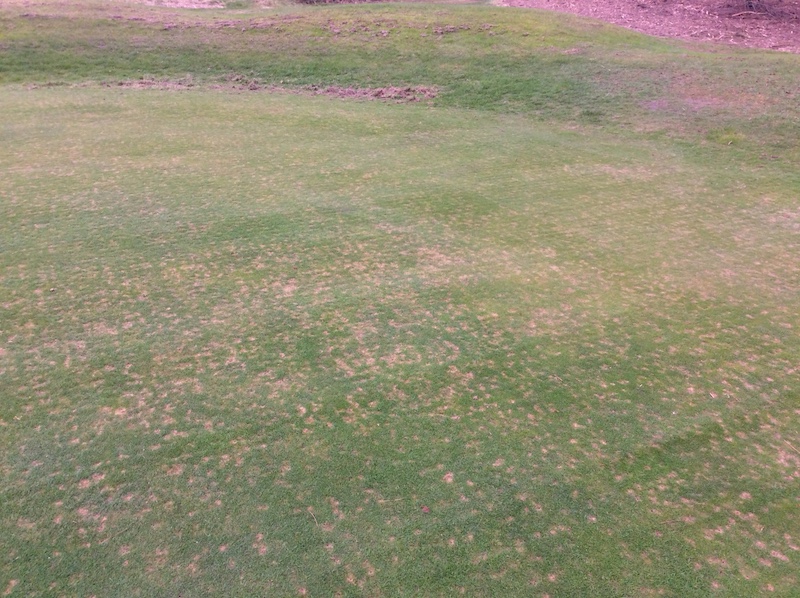
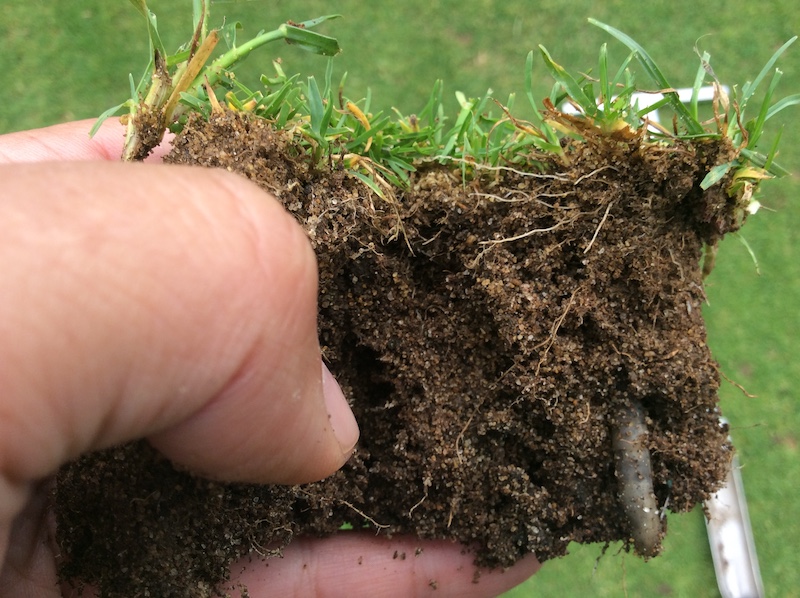
The issues arises during the period when the larvae are in the ground, as they feed on grass roots during the day and surface on damp evenings to feed on leaf tissue. The up and down movement out of the soil can leave a pitted and often bumpy surface, especially on putting greens.
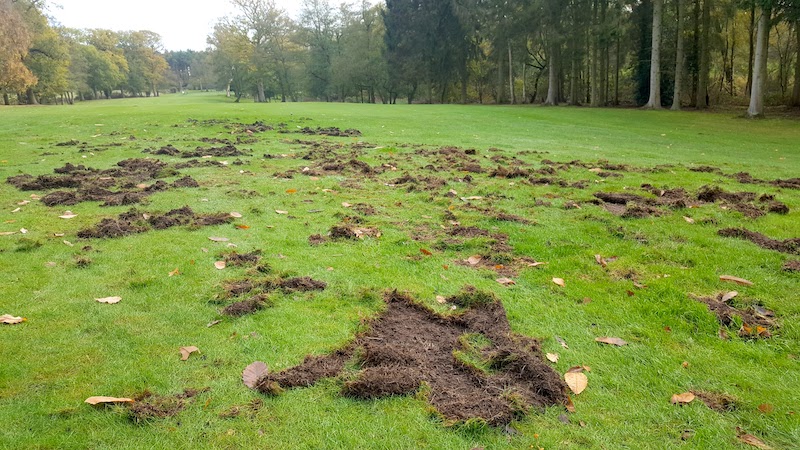
That isn't the only concern, however, as Leatherjackets are also a desirable snack for birds and other foraging animals. As the predators know that the Leatherjackets lurk not far beneath the surface, they set about to retrieve them causing damage to the course.
While some birds, like crows, will peck the Leatherjackets out from the ground, some larger creatures, such as badgers, cause a much more significant level of damage.
Why is it more of a problem now for golfers than before?
There are two main reasons, according to Paul Woodham, general manager of agronomy at STRI (Sports Turf Research Institute).
“With climate change etc, we don’t seem to get the very cold winters that kill these bugs, so we’re seeing higher populations. And, critically for sports turf and golf, the insecticide that was previously used at low cost to treat these things (Chlorpyrifos) was taken off the market in 2016, and for good reason, because of its damage to the environment.
“There is now only one preventative insecticide. But it can only be used with emergency approval so it’s not widely available and is not as effective as the old one.”
🐛 Living with Leatherjackets...Working alongside experts from @RandA's Sustainable Agronomy Service, we're delighted to bring you a series of informative features on the challenges faced and how we can all help... 🤝@GolfMonthly#TheSustainabilityDrive pic.twitter.com/IctjL89CEwMay 10, 2024
One of the main reasons for the withdrawal of Chlorpyrifos was that it is harmful to pollinators. There is rightly now a real desire to help and promote pollinators rather than do anything to cause them harm.
“In a recent survey,” Woodham continues, “while disease, particularly common winter diseases, are still the No.1 concern [for greenkeepers], how we deal with pests and certainly leatherjackets is quickly catching up as the cause for greatest concern.”
Managing expectations
So, what can be done to negate the issue?
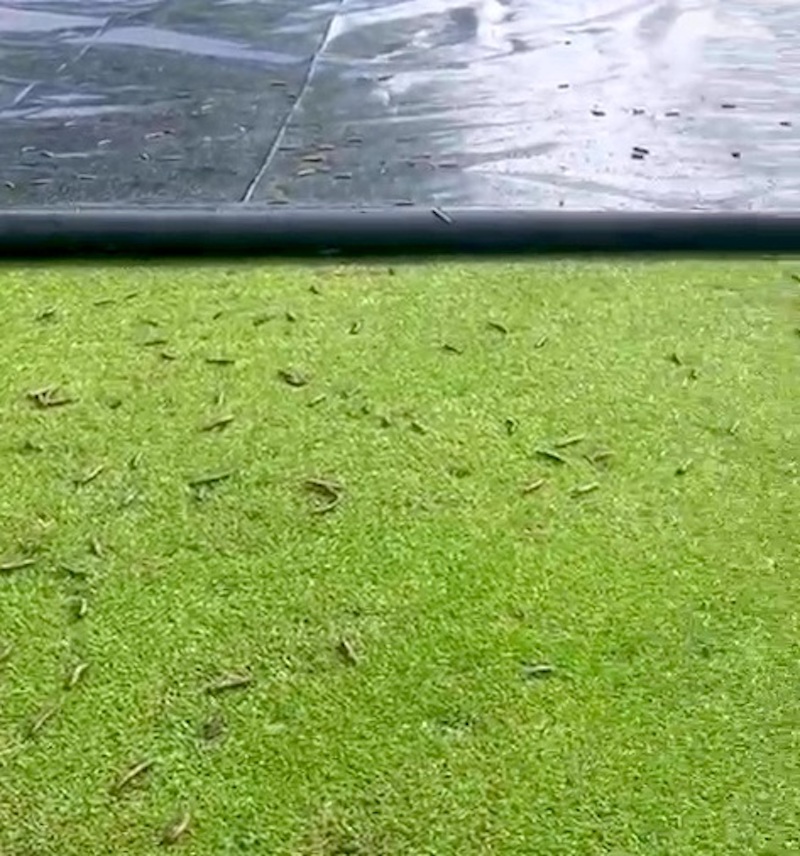
At the moment, precious little, although some clubs are reporting success by putting sheeting over areas to draw the grubs up and collecting them for disposal. But that can be labour-intensive and isn’t guaranteed to remove all leatherjackets in a given area.
Final word goes to Woodham: “We need to investigate more non-chemical strategies, but more than that, we need to educate the golfers that this is the reality – that it’s not as simple as the old chemicals.
“Gone are those days and rightly so, but it’s hard with golfer expectations getting higher and higher. We have to accept that things may not always be as pristine as we’ve been used to. These areas will recover, but it takes patience and commitment.”
What can golfers do to help?
Firstly, exercising a little patience will go a long way. Perhaps, before mentally drafting a letter of complaint about your dismay with current course conditions, consider the work that the greens staff and the club are doing to manage the problem. You could even ask if there is anything you can do to help!