
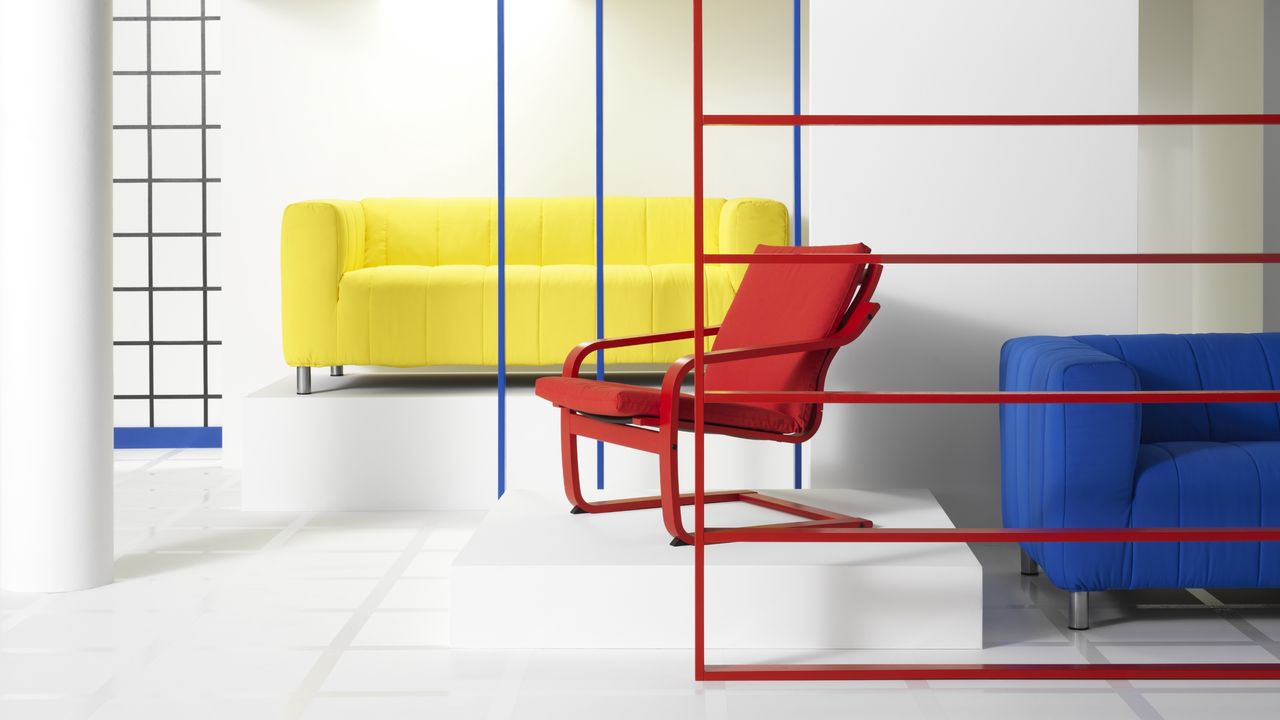
What comes to mind when you think of the Bauhaus movement in design? Sleek, modern spaces? Clean lines and geometric forms? Industrial influences? Simplicity without excess? Bauhaus design emerged in early 20th-century Germany as a revolutionary study in harmoniously blending art, purpose, and mass production. While all of these attributes are central to the movement's lasting influence, none stands out more than the Bauhaus color palette.
In true step with the core principles of the entire school of design, the Bauhaus approached color as a spatial tool for defining space, meaning it turned to shades that could be distinguished from one another quickly and easily: enter strong, simple, primary hues. Livingetc's color expert, Amy Moorea Wong, explains, "This is functional color, characterized by high contrast used for clarity, rather than beauty or aesthetics, and employed carefully to organize form and define space."
This interior design style's color palette is striking (read: harsh, in some scenarios). However, using Bauhaus colors teaches the importance of the fundamental building blocks of design: contrast, balance, simplicity, and beauty. In other words, decorating with primary colors in modern interiors is a high-risk, high-reward game: here's everything you need to know.
Defining Bauhaus Colors
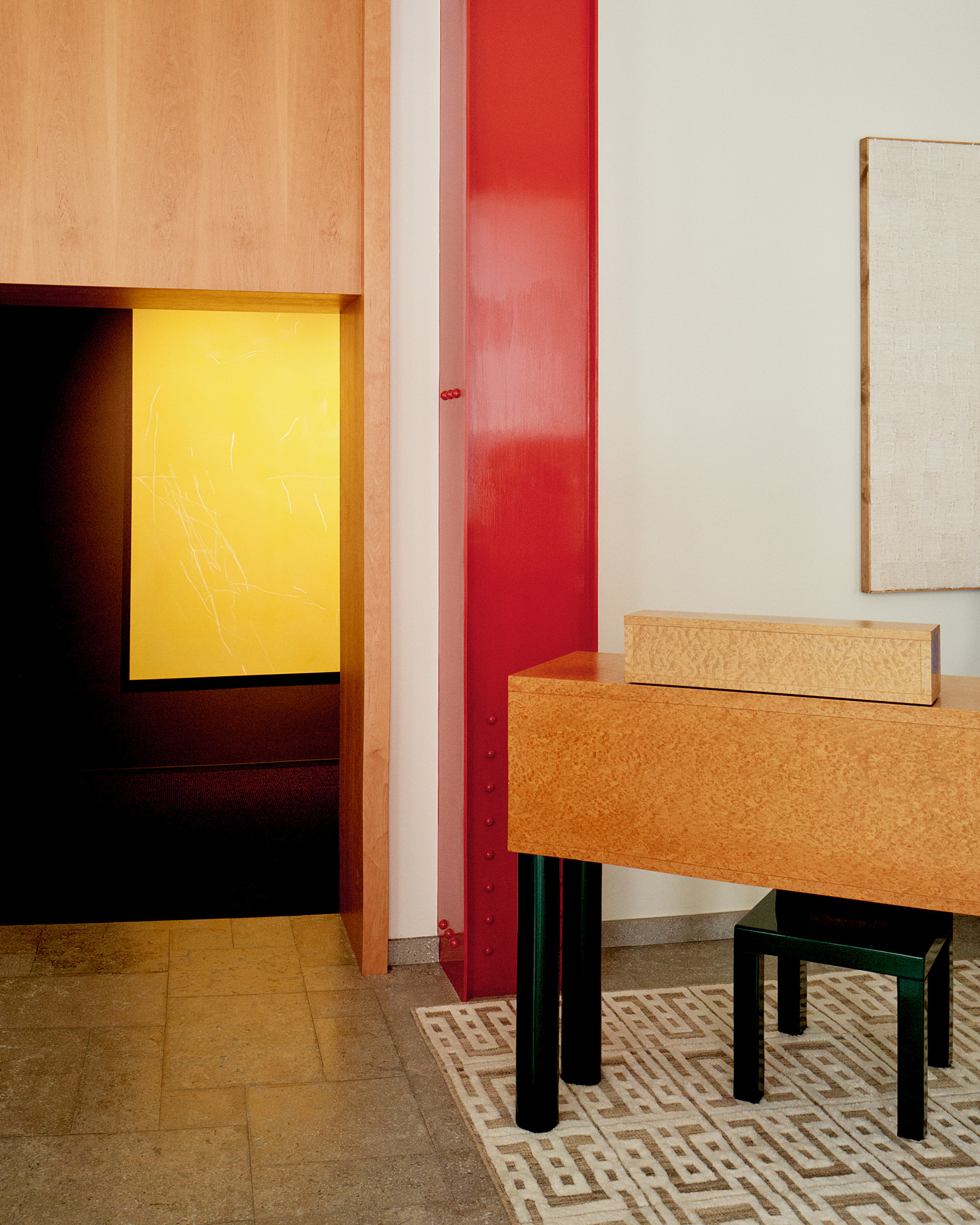
Beyond simply pairing red and yellow and yellow and blue, what is the Bauhaus color palette? And what makes Bauhaus colors an iconic, trend-defying scheme? Definitively speaking, the core palette consists of primary red, yellow, and blue, along with black, white, and sometimes gray.
"In the traditional school of Bauhaus, the hues were used flatly — no shading, gradients, textures, or the like — and were generally tied to specific geometric shapes; triangles were yellow, squares were red, and circles were blue," explains Amy Moorea Wong.
The neutrals then tend to play on the sidelines, more for structural emphasis — "Black's job is to outline, white acts as a background and a way to create negative space, and gray is the support, balancing and filling spaces unused by the primaries," says Amy. Sometimes, secondary colors, such as green or orange, are mixed in, but always within the context of the primary colors used.
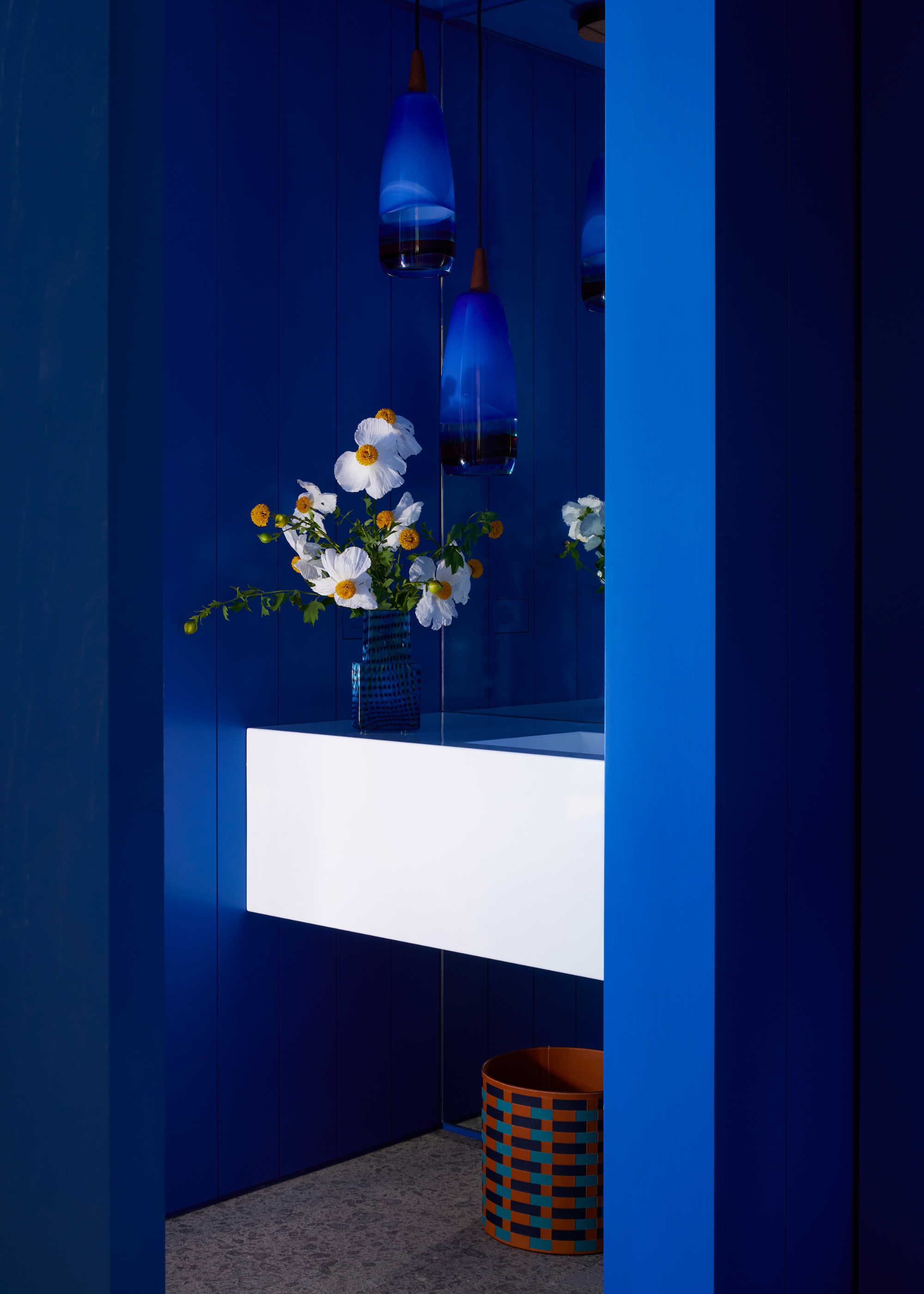
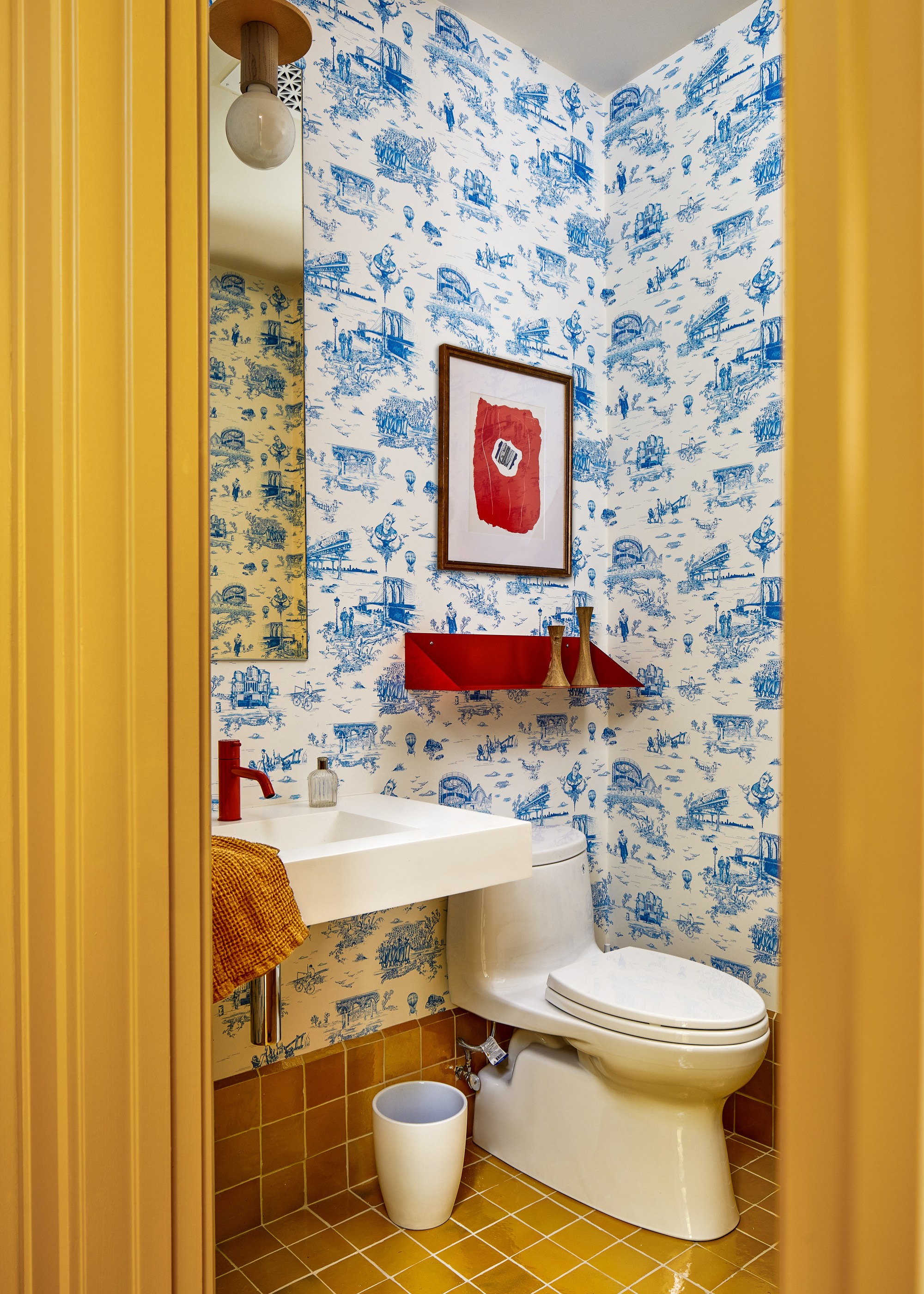
In action, the primaries work as a team, all pure, high contrast, and balanced on the color wheel. "Each has its own personality and role, and as a trio, they cover all bases and create their own small spectrum — red is energetic, yellow illuminates, and blue calms," says Amy. The neutrals, therefore, provide breathing space between the brightness, somewhere for the eyes to rest amid all of the excitement.
When using Bauhaus colors, it's all about creating balance in interior design. The primary colors bring energy and personality, while black and white ground the scheme and give the room a restful contrast. "When each color has its own role, the overall look feels intentional rather than busy," says Daria Zinovatnaya, product and interior designer specializing in Bauhaus design.
In summary, as a set of triadic primaries and neutrals, "The Bauhaus color palette is a clever mixture of impact and structural definition, deftly balancing dynamism and stability," says Amy.
How to Use the Bauhaus Color Palette in Interiors

The Bauhaus movement has a very modernist edge to it, meaning, "It's very graphic and can come across as overly harsh or stark, so in a 2026 interior, it needs to be done carefully," says Amy. The best (read: easiest) way forward is to use a neutral as a foundation and bring in red, yellow, and blue as accents so that the latter shades don't take over the space in large chunks.
Amy recommends, "A white or gray base (only go for black if you're up for a challenge) that can be accented with textures, natural materials, and softness to make it all more comfy." Red, yellow, and blue work well, popping in here and there in furniture and decorative objects.
Adopting a more 'unexpected red theory' mindset helps bring the Bauhaus palette into the contemporary design world. You can create a rather cozy, neutral space that becomes exciting and visually interesting through pops of bright red, yellow, and bold Ultra Azures.
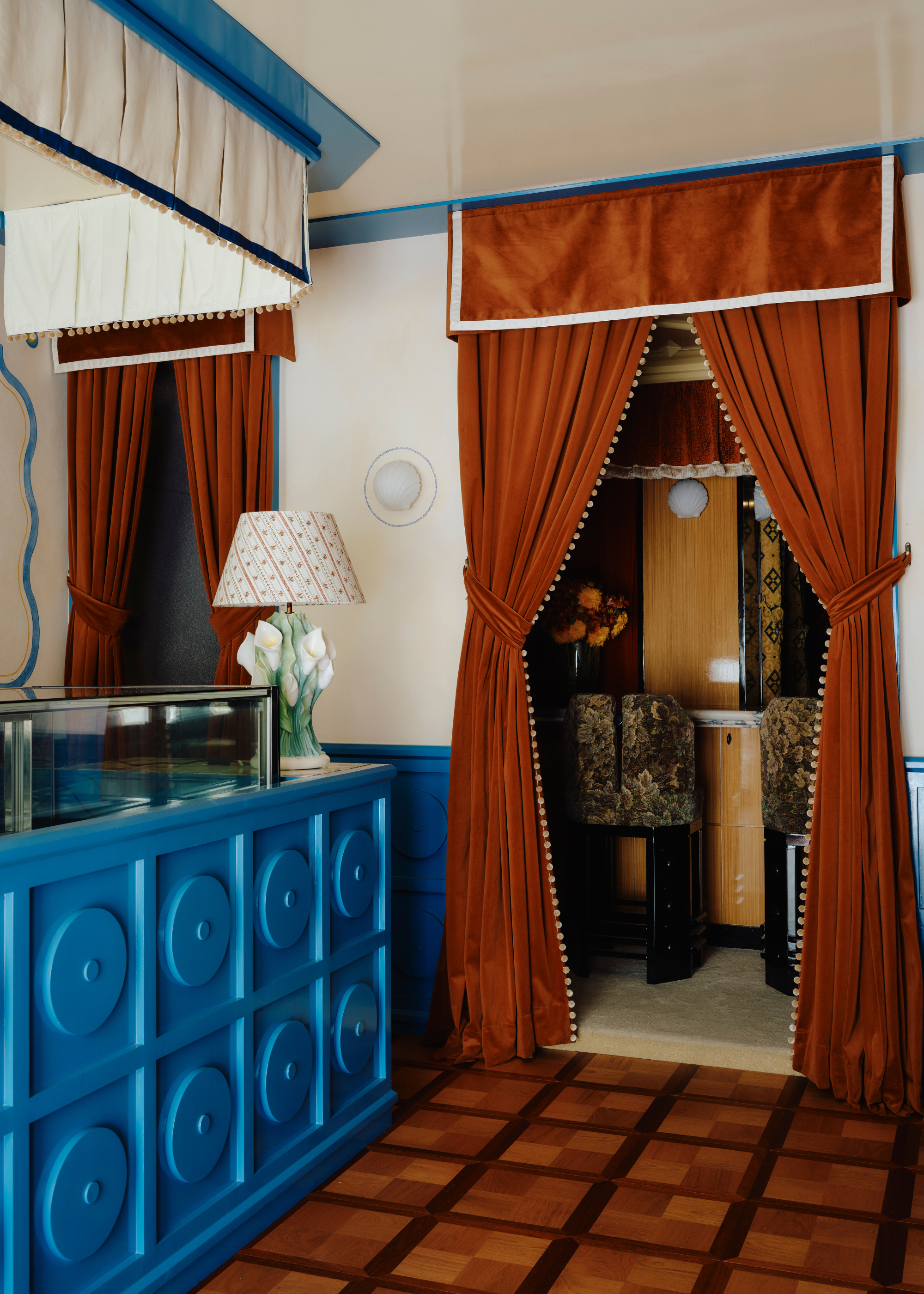
However, I believe Bauhaus colors work best in a contemporary home when a bit of individual interpretation is applied. Perhaps the original use of this palette is not one for rooms you want to feel especially warm or cozy, but "Bauhaus can feel just as at home in more relaxed spaces when used thoughtfully," says Daria.
"Rather than keeping color to small accents, these shades can be used across walls, furniture, and architectural details to shape the space as a whole," Daria adds. Choose one primary to lead boldly and engagingly, and then use the other two more sparingly as highlights. "Black adds a linear Bauhaus feel to areas such as frames, chair legs, and door trims for definition," notes Amy.
Daria says, "I like to think of decorating with color as something that defines how you move through a room — one color might highlight a living zone, another mark transitions or focal points, while black and white create contrast and rhythm." When color is used this way, even strong primary shades can feel surprisingly comfortable and livable.
A red rug would be a lovely anchoring piece for a Bauhaus-inspired room. It feels unique and on-trend for 2026, while setting a colorful foundation.
Electric blues are becoming a popular choice in contemporary interior design trends, and this piece definitely has that modernist aesthetic. Tone down the boldness of this blue with more natural, ochre yellows and burgundies.
Anything in a striped pattern makes a room feel more creative, and this black and white lamp feels very Bauhaus-inspired to me. Plus, it's a neutral so you pair this with any of the other colors.
Decorating with Bauhaus colors is less about holding back when it comes to pigment and more about using these striking reds, blues, and yellows with confidence and clarity.
Feeling inspired? Here's how designers are decorating with blue, yellow, and red, so that you can bring the Bauhaus color palette into your space in style.