Lake Macquarie MP Grep Piper has called on the government to significantly expand its use of coal ash in road construction projects to help reduce the impact of one of the state's largest industrial pollutants.
Mr Piper will chair a community meeting this month that will focus on the impacts and potential reuses of coal ash and the regulation relating to its storage.
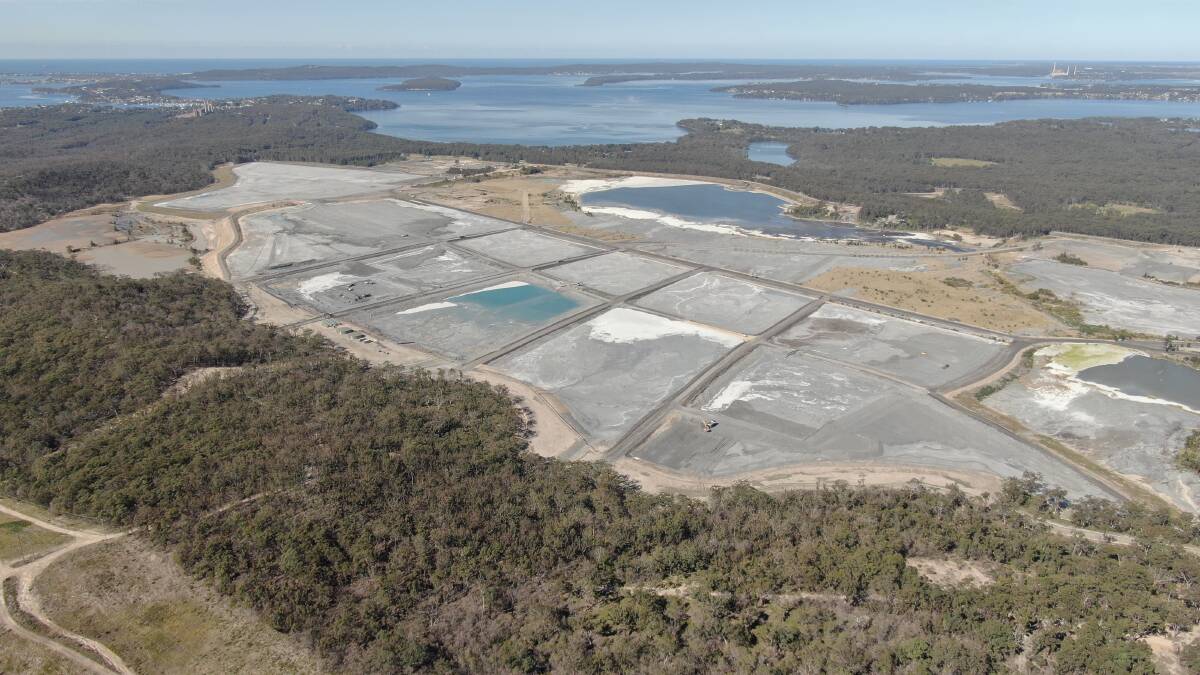
A parliamentary inquiry heard last year that more than 200 million tonnes of coal ash waste is currently dumped in unlined sites across NSW, with more than half of the material stored in the Hunter and Central Coast.
The waste product, which poses an ongoing threat to waterways, soil and air, is growing by 3.8 million tonnes a year.

"The state could be one of the big users of this material; we need the state agencies to change their criteria for using coal ash," Mr Piper said.
"It really frustrates me that senior people in the RMS, without damaging their reputations, could step up and solve one of the biggest waste problems we have got in NSW and Australia.
"In so many ways RMS does amazing things in terms of their civil engineering works but there seems to be a political conservatism when it comes to addressing waste problems.
"We know there are some very good characteristics of this waste that should make it something that would be sought after."
A Transport for NSW spokesman said coal ash was currently used in road construction projects across the state.
Fly ash, a light form that floats up into coal stacks, was more commonly used than bottom ash, which is heavier and settles on the ground.
"Fly ash used in road projects is typically sourced from power stations around NSW. Approximately 63,000 tonnes of fly ash sourced from the Eraring power station was used on the Woolgoolga to Ballina project in concrete pavement," he said.
"Construction of the Scone Bypass used approximately 1500 tonnes of fly ash sourced from the Vales Point power station. Similarly, the M1 upgrade between Kariong to Somersby used fly ash in rigid pavements."
"Bottom ash has been used in major road projects including the Ballina Bypass and the M1 Motorway at Minmi."
The NSW Environment Protection Authority is presently investigating the potential environmental impacts of coal-ash waste dumps in Lake Macquarie.
For faster access to the latest Newcastle news download our NEWCASTLE HERALD APP and sign up for breaking news, sport and what's on sent directly to your email.