
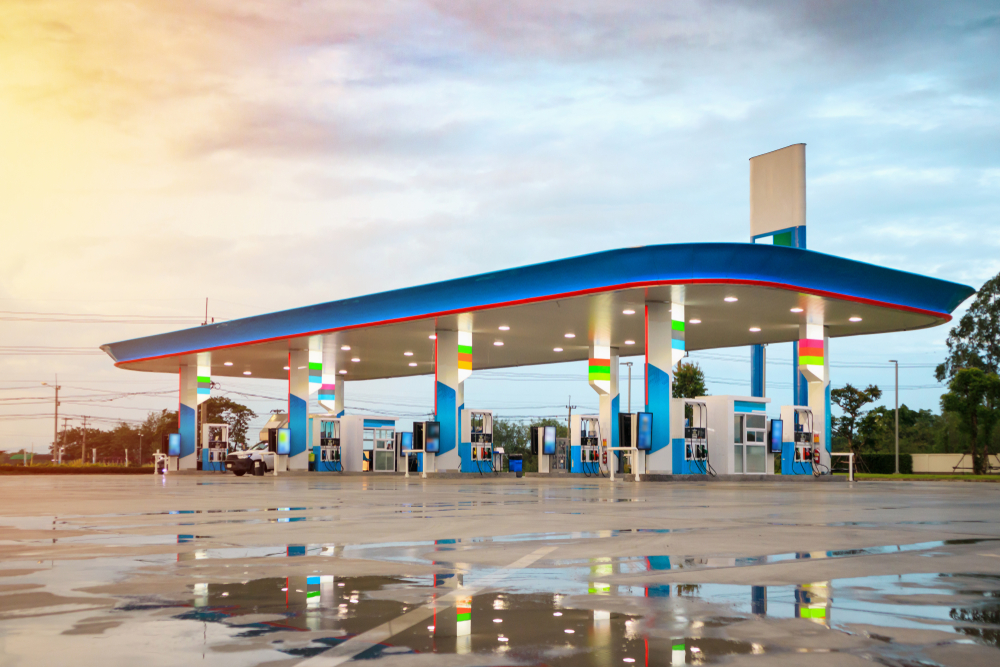
Step back for a moment and imagine pulling into a gas station where the numbers on the pump don’t instantly make your wallet flinch. No digital screens, no flashy loyalty programs, no endless list of fuel blends—just a simple pump, a friendly attendant, and a price so low it practically feels like a typo. That’s the world drivers lived in back in 1970, when cruising down the highway didn’t come with the same financial sting it does today.
If you’ve ever grimaced at modern gas prices or calculated whether that weekend road trip is worth it, you’re about to feel a mix of awe, jealousy, and maybe a tiny bit of heartbreak. Because the difference between then and now is nothing short of wild.
The Price Of Gas In 1970
In 1970, the average cost of a gallon of gasoline sat at roughly thirty-six cents, a number that feels almost mythical in comparison to modern prices. Even adjusted for inflation, that thirty-six cents comes out to only a couple of dollars—still far cheaper than what many drivers regularly see today. Gas stations weren’t flooded with complicated pricing or premium additives; the choices were simple, and the prices were friendlier. Families could take spontaneous drives without worrying about draining the bank account. Fueling up was just another routine errand—not the mini financial event it often becomes today.
Why Prices Were So Low
The early 1970s existed in a calm-before-the-storm era when oil was plentiful and geopolitical tensions had not yet reshaped the global energy landscape. Domestic production was steady, international supply chains were functioning smoothly, and the oil market felt as reliable as the sunrise. Wages, while lower than today, stretched farther because essential goods—including gasoline—were comparatively cheap. Inflation had not yet surged, and the economy had not entered the turbulence that would arrive in the mid-1970s. In short, the world of 1970 lived in a moment of rare stability that kept gas prices incredibly low.
The Driving Culture Of The 1970s
Road trips were practically a national pastime in 1970, fueled by cheap gas, wide highways, and a sense of carefree adventure. Teenagers piled into cars just to drive around town, burning fuel like it was endless. Families went on Sunday drives simply because it was fun and affordable. Commuters didn’t think twice about distances, because gas costs didn’t dominate their budget. The low price of gasoline shaped not only transportation but lifestyle, making cars an even more central part of American culture.
When The Price Shock Finally Hit
The tranquility of 1970 didn’t last long, and the oil crisis of 1973 changed everything almost overnight. Prices skyrocketed, lines at gas stations grew longer, and rationing became a reality for the first time in generations. Drivers who once filled their tanks for pocket change suddenly faced costs they couldn’t believe. The shift was dramatic enough to change driving habits, shrink travel plans, and spark debates about energy independence. The shock of rising fuel prices introduced a tension into daily life that hadn’t existed just a few years earlier.
How The Difference Feels Today
Comparing today’s fuel prices to those of 1970 is enough to make anyone nostalgic, even if you weren’t alive then. Modern drivers navigate fluctuating prices influenced by global politics, production challenges, environmental policies, and market competition. A full tank can now feel like a mini luxury depending on the week. Long road trips require budgeting that simply wasn’t necessary decades ago. The contrast reminds us how dramatically the cost of living—and the cost of driving—has evolved over time.
The Cars That Matched The Era
Vehicles in 1970 were bigger, heavier, and far less fuel-efficient, yet filling one of those gas-guzzling beasts didn’t feel painful thanks to low prices. Muscle cars roared across highways without anyone worrying about miles per gallon. Manufacturers weren’t focused on hybrid engines or eco-friendly designs; power and style were the main attractions. Drivers valued comfort and performance more than efficiency because fuel was cheap enough to ignore. It’s almost ironic how modern cars are vastly more efficient, yet the cost of fueling them still stings more.

What That Price Would Mean For Us Today
If gas cost what it did in 1970, modern commutes, vacations, and weekend adventures would feel drastically different. Budgeting for transportation would shrink instantly, leaving room for more savings or spending elsewhere. The stress that comes from unpredictable gas prices would practically evaporate. Families could rediscover the pure joy of hopping in the car and driving without checking the bank account first. It’s a thought experiment that feels both magical and mildly torturous, knowing it’s out of reach.
Why The Story Still Matters
The dramatic shift from 1970s prices to today’s landscape is a reminder of how economic forces shape our daily lives. It shows how a single commodity—fuel—can influence culture, transportation, travel, and even national policy. It helps us understand why older generations reminisce about “the good old days” of cheap gas with such intensity. It also highlights the importance of innovation, sustainability, and energy planning as we look toward the future. Ultimately, understanding the past gives us context for the world we drive through today.
What Do You Remember About Gas Prices?
The price of gas in 1970 feels almost unbelievable compared to modern costs, but it tells a powerful story about how the world has changed. From carefree cruising to economic shifts that reshaped an entire generation of drivers, the difference is a lesson in both nostalgia and reality. Whether you lived through that era or only hear about it from older relatives, the contrast is striking enough to spark conversation.
Did you—or someone you know—fill up during those thirty-six-cent days? Share your memories, stories, or reactions in the comments below!
You May Also Like…
- Why Some Gas Stations Track Tire Pressure as a Behavior Mapping Tool
- How Gas Station Trash Cans Are Being Used to Profile Drivers
- 7 Disturbing Truths About the History of Electroshock Therapy
- 10 Design Flaws in Cars That Mechanics Complain About
- 7 Gas Station Scams You’re More Likely to Fall For at Night
The post What a Gallon of Gas Cost in 1970 — You Won’t Believe the Difference appeared first on Everybody Loves Your Money.