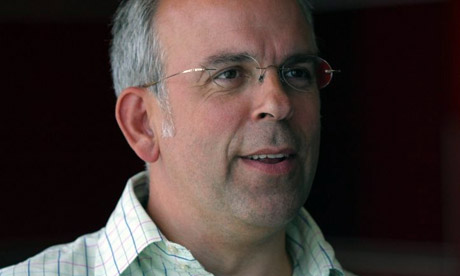
Mark Thompson admitted yesterday that making the controversial changes to the BBC pension scheme to plug the £2bn deficit is the toughest challenge since becoming director general. "Whichever way you cut it, it's going to be tough," he told staff. Too right, every single letter in this week's edition of BBC in-house magazine Ariel is about the pension crisis. How things change. Monkey remembers the last time the BBC had a pension deficit – a mere £1bn – in 2003. John Smith, then the BBC's finance director, now BBC Worldwide boss, said: "It is essential that we take a long-term view and do not get swayed by the ups and downs of the stock market and the short term impact it has on the scheme's value." He went on: "The fund is healthy: it earns more income from its investment and contributions than it pays out. The BBC cannot offer staff stock options but we can offer very good pensions." Not any more, John. According to an article in the Daily Mail on 10 July 2003, Smith then "noted that as a young pension fund, the BBC has 55,000 people paying in and just 20,000 receiving pensions. With that balance he said there should mean there will be no fundamental problem for decades to come." Would that it were John, would that it were.