
Good morning, Peter Vanham here in Geneva, filling in for Alan.
Congress this weekend voted to narrowly avert a government shutdown—until at least Thanksgiving. If even a dysfunctional Congress can broker a surprise (albeit stopgap) compromise, perhaps there's hope for the other stalemates gripping the U.S.—the ongoing UAW and SAG-AFTRA strikes in Detroit and Los Angeles.
So far neither is going great. One early lesson from the labor stoppages is that there is little to gain when companies and workers bargain only over pay. Each side believes it has valid arguments, which in both cases has led to long weeks of standoffs and losses.
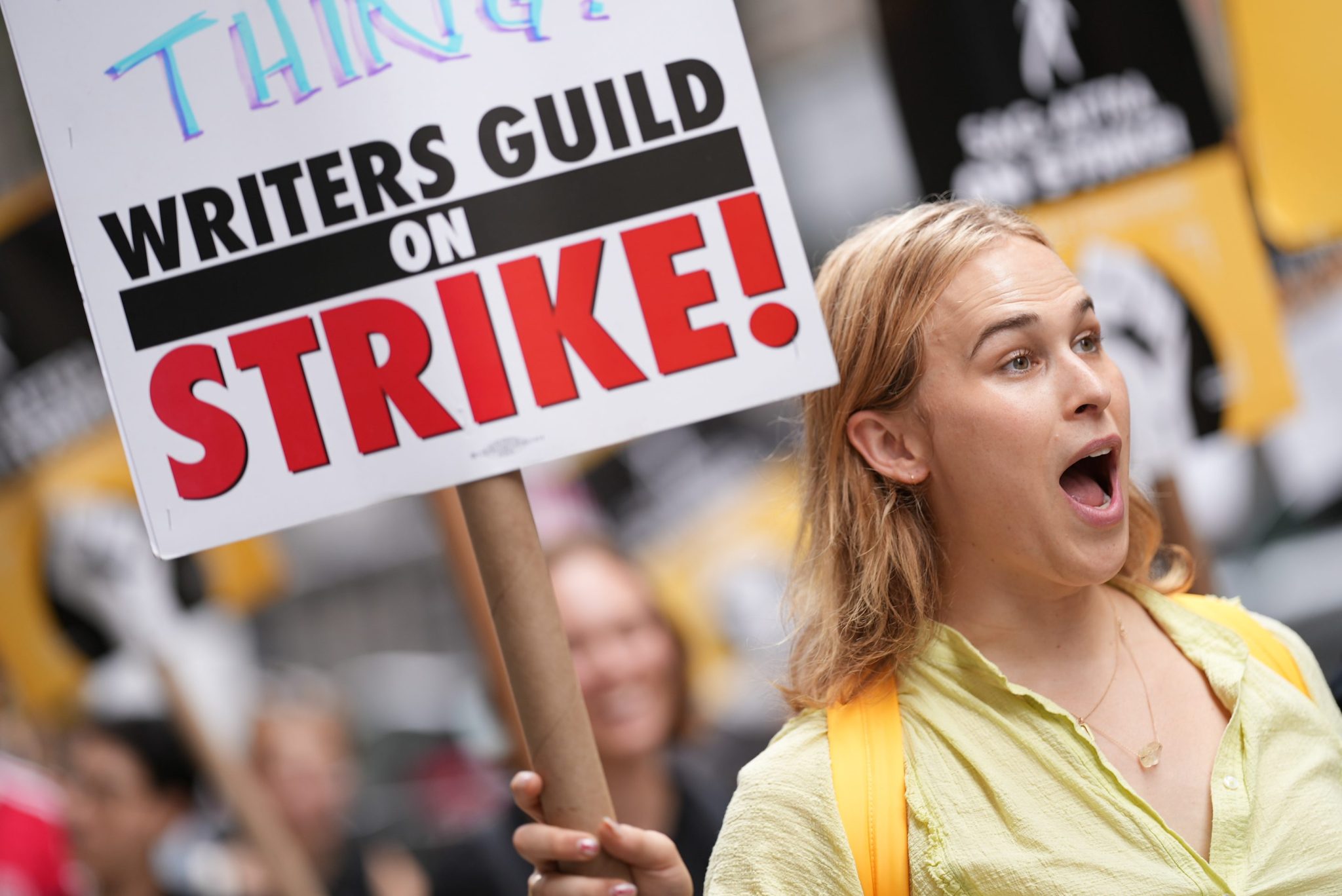
But there is a promising takeaway from the recent breakthrough agreement the Writers Guild of America struck with Hollywood studios last Wednesday: to end up with a win-win and be better prepared for the future, it is useful to open the aperture and include technology adoption and remuneration in negotiations.
As a case in point, the Writers Guild successfully included rules about the use of artificial intelligence in its agreement with studios, Fortune’s David Meyer reported. The deal it struck means that employees have a greater say in when and how to use AI going forward and how to get credit for it.
The benefit for studios is threefold: first, use of AI is now agreed on by both sides, in principle. Second, studios are better insulated from copyright infringement claims in using AI, as their human writers are always involved. And finally, studios' agreement with workers gives them additional leverage in lobbying government over the laws governing AI.
Other sectors would do well to take note. Technological disruption, including from the use of artificial intelligence, may well be the most important factor in companies’ competitiveness going forward. And for the most part, governments and international organizations are running behind the facts in regulating it, leaving the door open to a Wild West, with more losers than winners.
If companies manage to unite with their workers over AI's use and benefits, however, they are in a much stronger position to adopt new technologies and gain from the disruption—individually and for the economy. And they are making it easier for Congress and other legislative bodies to regulate the technology. It’s an exercise well worth trying.
More news below.
Peter Vanham
peter.vanham@fortune.com
@petervanham