High rainfall in much of the nation has granted Australia's terrestrial natural world an above-average year, the fifth in a row.
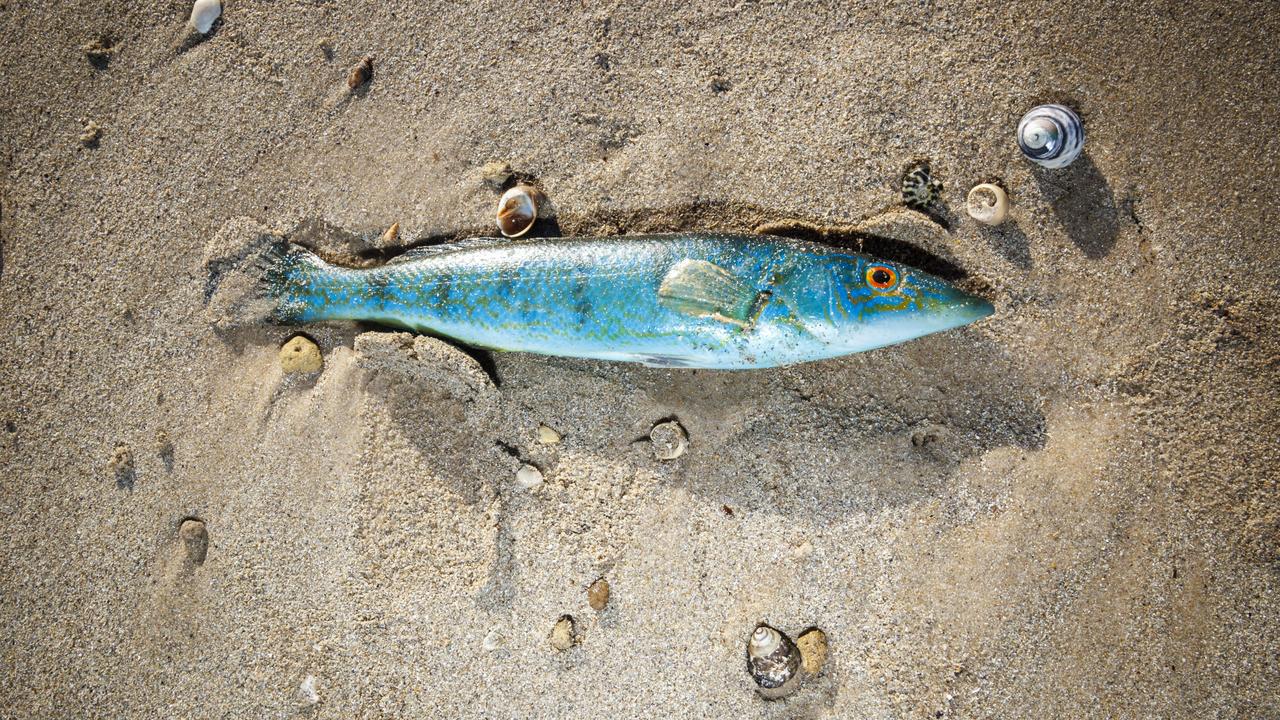
Below the sea, however, ecosystems struggled, driven by climate change-fuelled marine heatwaves that decimated coral reefs and contributed to an algal bloom in South Australia that killed marine life.
Wildlife also had a tough 2025, according to the Australian National University and Terrestrial Ecosystem Research Network annual environmental report card.
Thirty-nine new species were listed as threatened in 2025.
Lead author Albert Van Dijk said climate change had a hand in a number of species' declines.
"We still have new species added as a consequence of the Black Summer fires, now several years ago," said Professor Van Dijk from ANU's Fenner School of Environment and Society.
"We are still finding that populations are not recovering."
Climate change is a threat to nine in 10 of the newly listed vulnerable species.
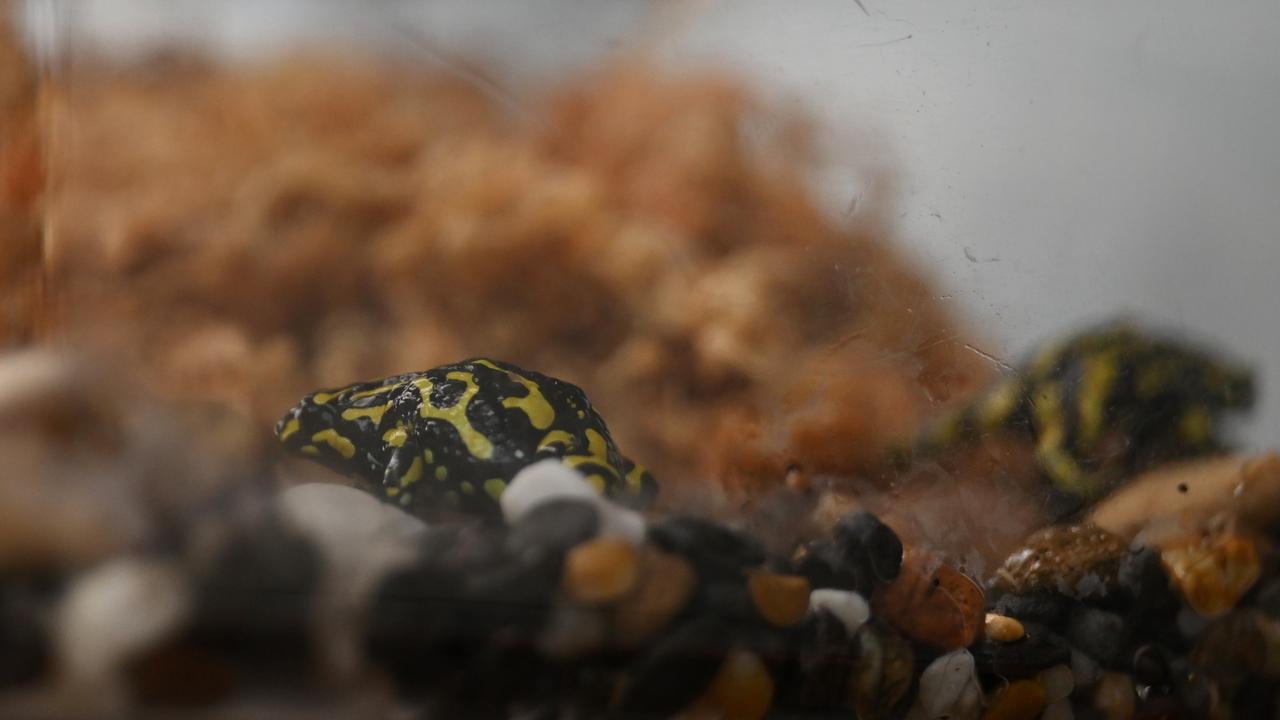
Threatened frogs and reptiles have experienced the steepest declines, while mammals have fared better, in part reflecting sound rainfall.
The most vulnerable mammals are typically of a size foxes and cats will prey on - pest species that similarly do better in wet years due to an abundance of food.
Overall, Australia's national environmental conditions scored a 7.4 out of 10.
Rainfall, river flows, vegetation, soils and temperature are tracked by the index.
The index was down 0.2 points from the year prior, however.
Queensland topped other jurisdictions with wetter-than-usual conditions and wetland flooding, while southern states struggled through drier winter conditions.
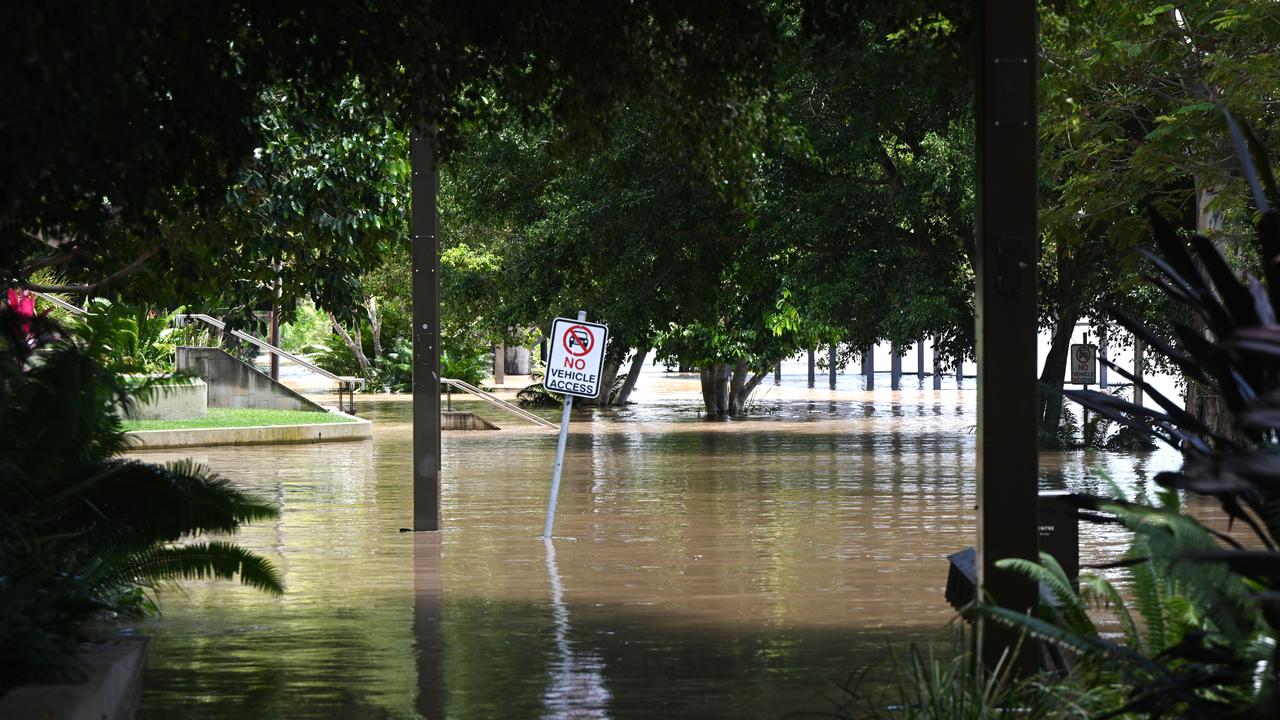
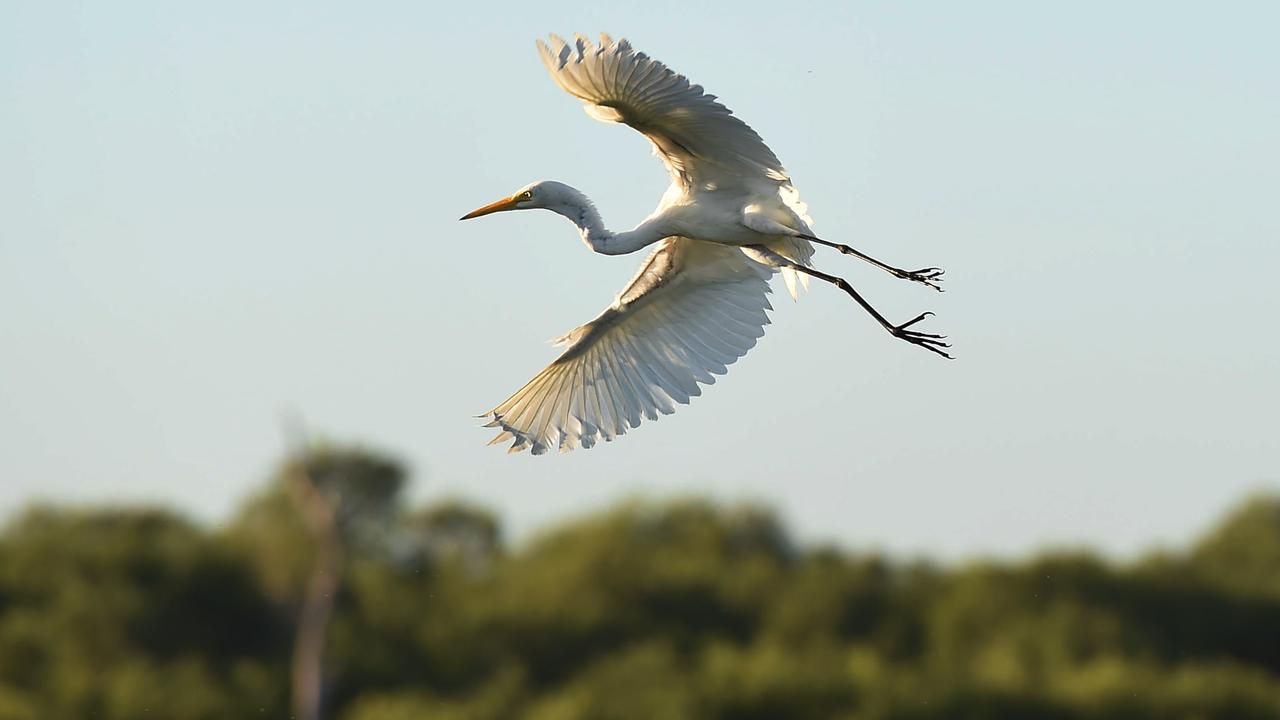
The most significant inundation of the Channel Country river systems in 15 years was flagged as a highlight, attracting water birds and spawning mass hatching of invertebrates.
Prof Van Dijk said climate change stuck out like a "sore thumb" as an environmental threat not yet under control.
"At the moment, we're facing the prospect of not having enough oil, and it just makes it obvious that what we need to do is get off this drug called fossil fuels."
The World Meteorological Organization has confirmed 2025 as the second or third warmest on record.