
Autumn is expected to be warmer and wetter than usual ahead of the waning of a La Nina oscillation in the Pacific Ocean, the Bureau of Meteorology says.
The BoM expects large parts of Australia to receive more than the median rainfall from March to May, while temperatures are predicted to be above median for most of the country, with only a small part of the NSW coast to be cooler than usual.
Night-time temperatures are expected to be higher all across the country and there is an increased chance of unusually high minimum temperatures as well.
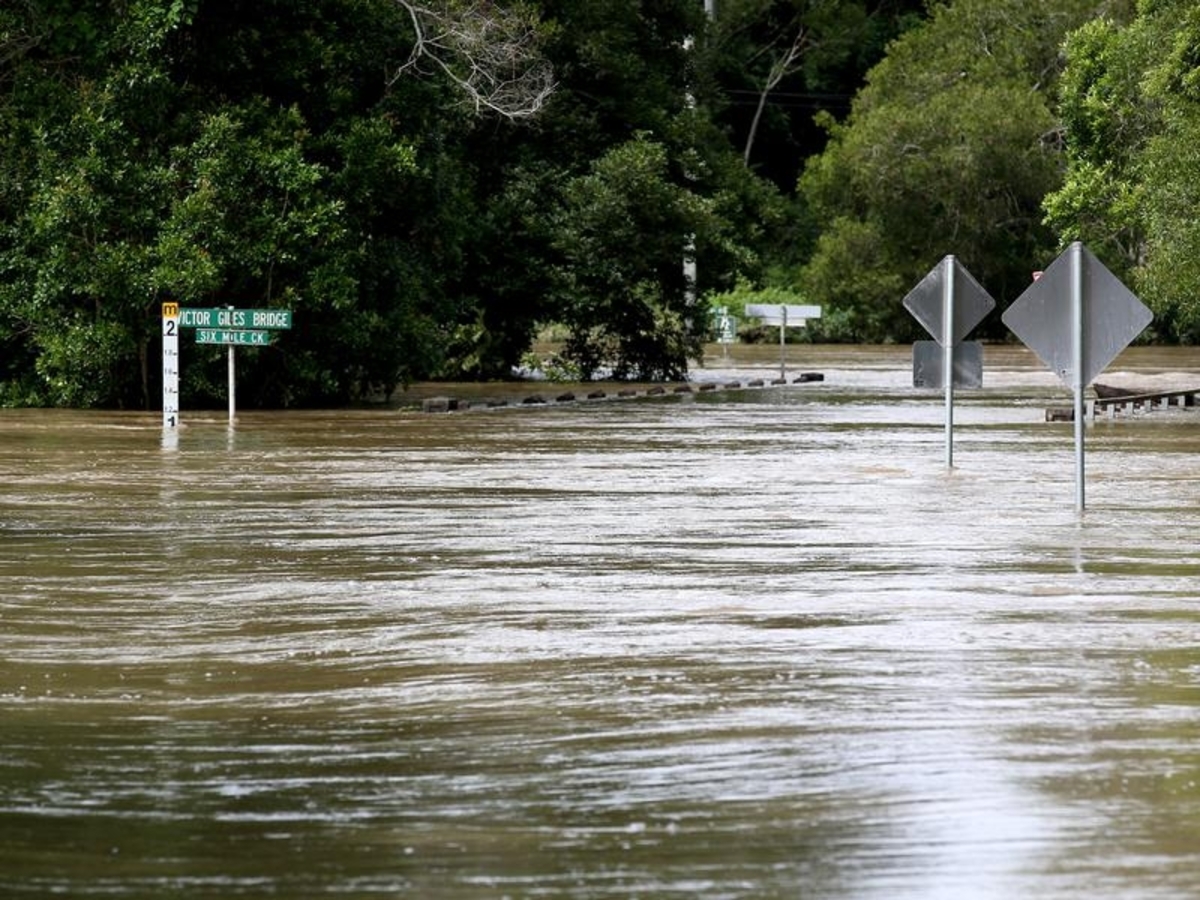
High rainfall is expected in southeast Queensland and northeast NSW, which are finishing February with torrential rain falling on already saturated soil at the end of a wet summer.
Much of the rest of the country is expected to be above median rainfall totals, with only the nation's northeast and historically hard to predict southwest Australia in line to possibly dodge the deluge.
A La Nina oscillation has led to increased rain in eastern and northern Australia in recent months, however the bureau says modelling suggests the weather system is probably at or past its peak.
Autumn partially falls within Australia's severe weather season - which runs from October to April - traditionally bringing a high risk of fires, floods, cyclones and other damaging storms.
Despite soggy summer conditions in the east of the country, bushfires could still pose danger in Western Australia, where dry weather has raised the risk of outbreaks.
On the east coast, where large areas have received enough rain to cause widespread flooding, the bushfire risk is lower, however more rain could spark further flooding.
There is also a chance of further tropical cyclones, of which Australia has already had five since November.
The BoM says February and March are usually the peak of tropical cyclone season, and warm waters around northern Australia could produce more cyclones in the coming weeks.
A tropical low is currently hanging over the Timor Sea west of Darwin, with the possibility of developing into a cyclone.