The terrorist who killed five people in the Westminster attack had taken steroids before launching the frenzied massacre, a court has heard.
The possible affect of steroid use on Khalid Masood will be considered alongside a “psychological autopsy” during the inquest into his death.
It will examine whether he was radicalised in prison, the extent of his contact with Anjem Choudary’s al-Muhajiroun network, what the security services learned during an MI5 investigation that declared Masood a “subject of interest” in 2009.
The inquest, where Masood’s widow is among interested parties, will piece together his preparations including obtaining the knives and car used in the attack and consider “whether his activities gave any warning signs”.
Judge Mark Lucraft QC ruled that the inquest will be held before a jury, as required for all deaths involving contact with police.
Separate inquests, due to start on 10 September, will be held for each of his victims – Aysha Frade, Andreea Cristea, Leslie Rhodes, Kurt Cochran and PC Keith Palmer.
Specialist witnesses will be called to hearings at the Old Bailey to reconstruct the events of 22 March and Masood’s preparations, including body armour experts charged with examining PC Palmer’s protection.
Judge Lucraft expressed his condolences to their families and the hope that answering their many questions could “provide some comfort”.
“The attack that took place tore many lives apart in less than two minutes of high drama,” he told the Old Bailey.
“I will do all I can to ensure this is as wide as it can be.”
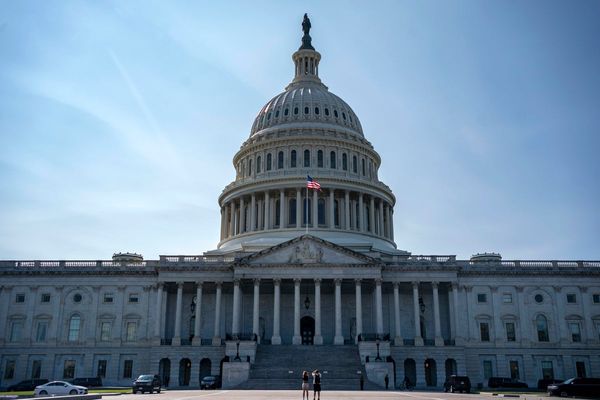
Masood mounted the pavement of Westminster Bridge at 2.40pm and ploughed a hired Hyundai Tucson into crowds before crashing into railings outside the Houses of Parliament.
He left the car armed with two knives and ran into the Carriage Gates vehicle entrance, fatally attacking unarmed PC Palmer before being shot dead by police. The attack lasted just 82 seconds.
Gareth Patterson QC, representing relatives of PC Palmer, Ms Cristea, Ms Frade and Mr Rhodes, said the families “still know very little about how their loved ones met their ends”.
He said they wanted to know how Masood was able to access radical material and send a jihadi statement from behind the wheel as he launched the attack, which was claimed by Isis.
“The inquest can point everyone in the right direction to do more to address these problems...which occur again and again in trial after trial,” Mr Patterson said.
“We do not understand why radicalising material remains freely available on the internet.
“We do not understand why it’s necessary for Whatsapp, Telegram and other applications to have end to end encryption.”
A review of the intelligence gathered in the run-up to the Westminster, Manchester, London Bridge and Finsbury Park attacks previously found that the Masood had been a peripheral figure into investigations linking to Saudi Arabia in the late 2000s and had not been re-considered as a potential threat by MI5.